
Invitations for openings that need a restrained first impression
Gallery and exhibition invitations usually have a very specific job. They must feel refined, carry the event details clearly, and hint at the work inside without competing with it. For openings in Cape Town, Stellenbosch, Paarl or further afield, the right card stock and finishing can set the tone before a guest even steps into the venue.
Most clients come to us with a save the date, private view, artist talk or launch evening. The brief is often simple: keep it minimal, use a limited colour palette, and make the piece feel considered. We handle that through custom design, foil stamping, paper sourcing and careful artwork proofing, so the final invitation sits well with the exhibition itself.
- Private gallery openings
- Artist previews and launch nights
- Museum and cultural event invitations
- VIP collector evenings
- Small press or members-only events
Paper, foil and finishing choices that suit contemporary work
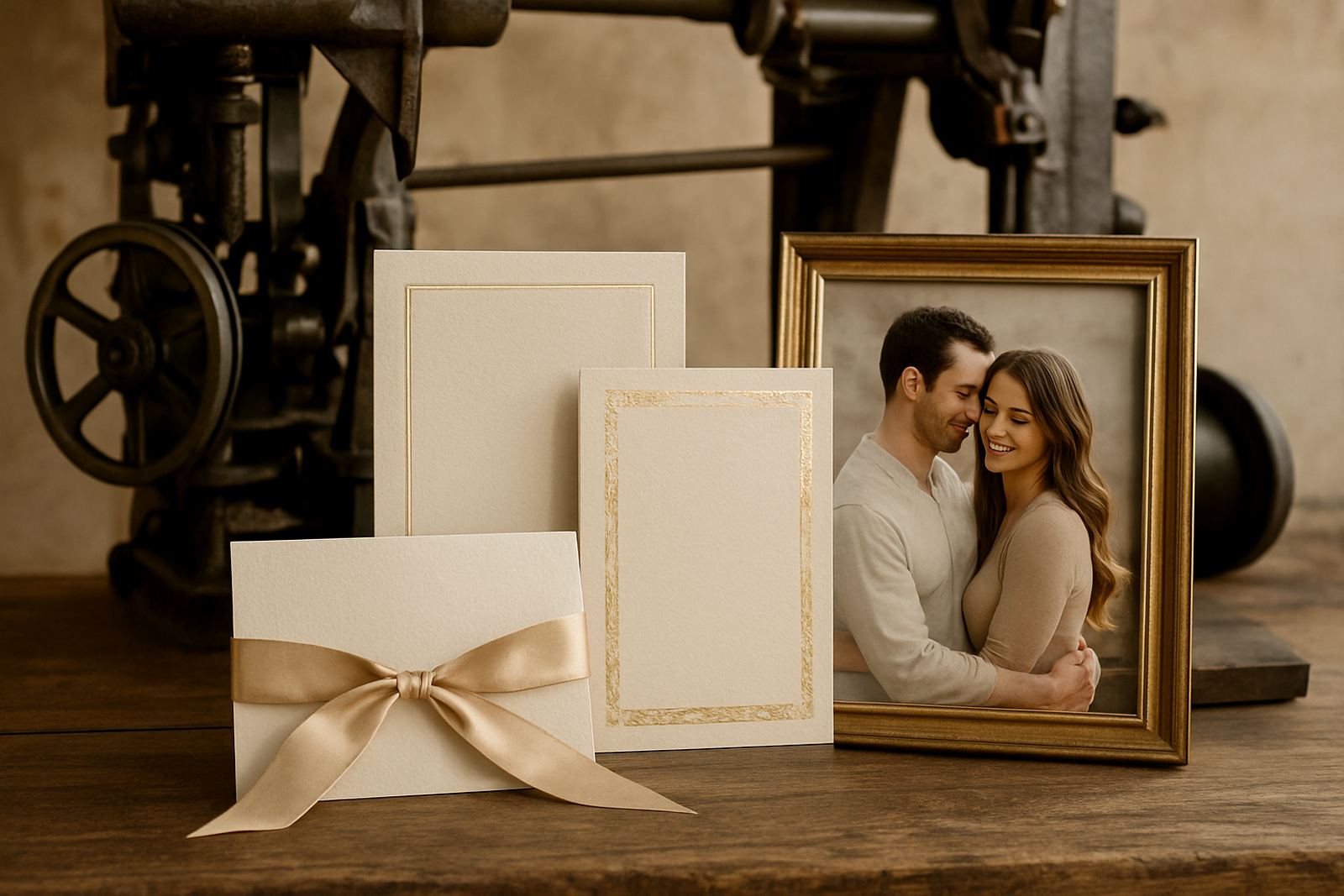
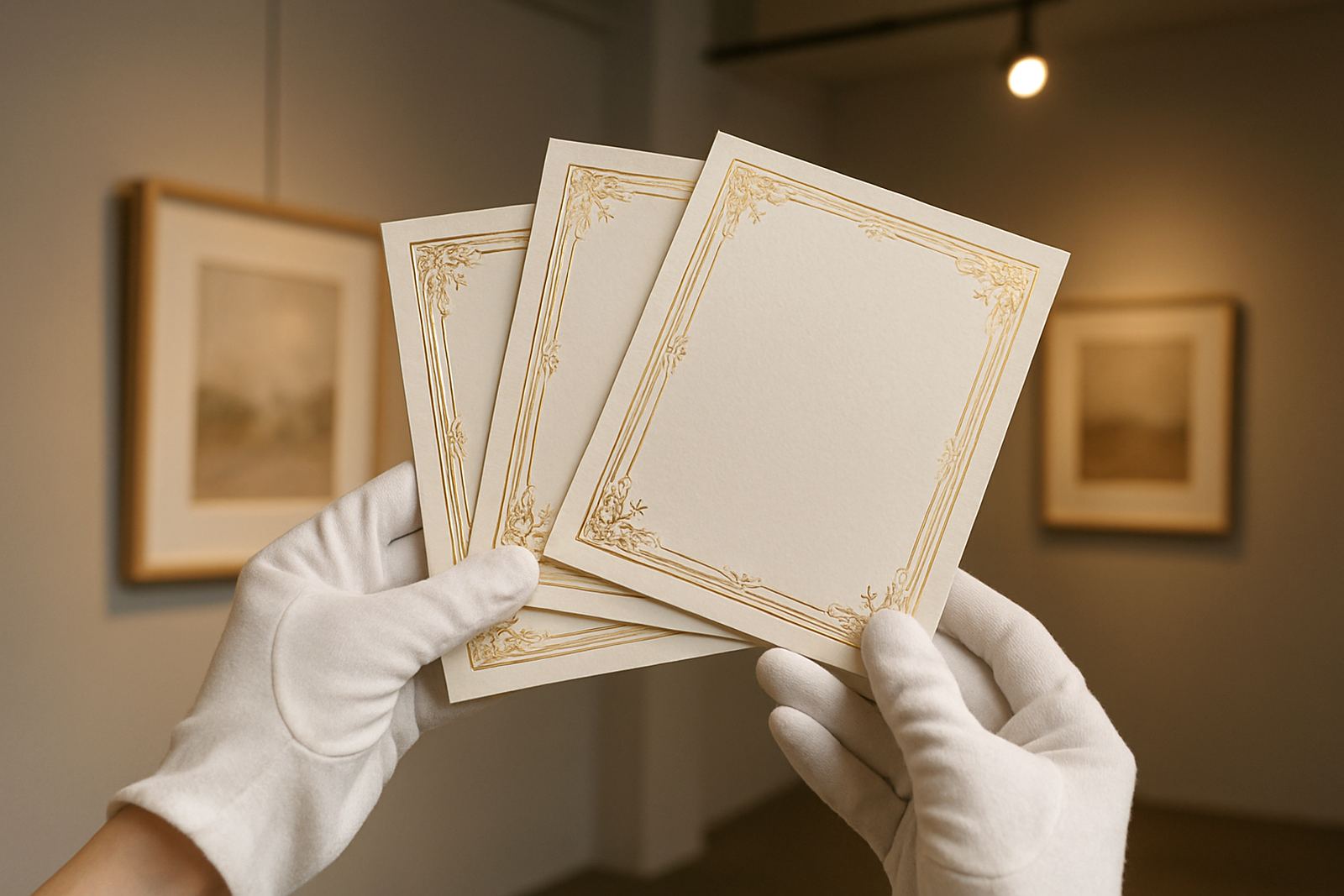
For gallery stationery, the material matters just as much as the layout. Smooth uncoated stock works well when you want a matte, gallery-style finish, while a heavier board gives a more formal feel. Foil stamping can be used sparingly on the title, date or venue line, or across a monogram if the event has a stronger identity. Letterpress finishing is often chosen when texture is important.
We also source envelopes, address them by hand or with matching print, and can include wax seal finishing or suite assembly for larger formal openings. In humid coastal weather, especially in Woodstock, the Southern Suburbs or the Atlantic Seaboard, paper selection should be done with storage and delivery in mind. Some stocks can pick up moisture if they are left open for too long, so timing matters.
Typical equipment and finishing used for this kind of work includes:
- Foil stamping press for titles, names and details
- Precision guillotining and trimming for clean edges
- Letterpress finishing for tactile cards
- Envelopes and inserts matched to the suite
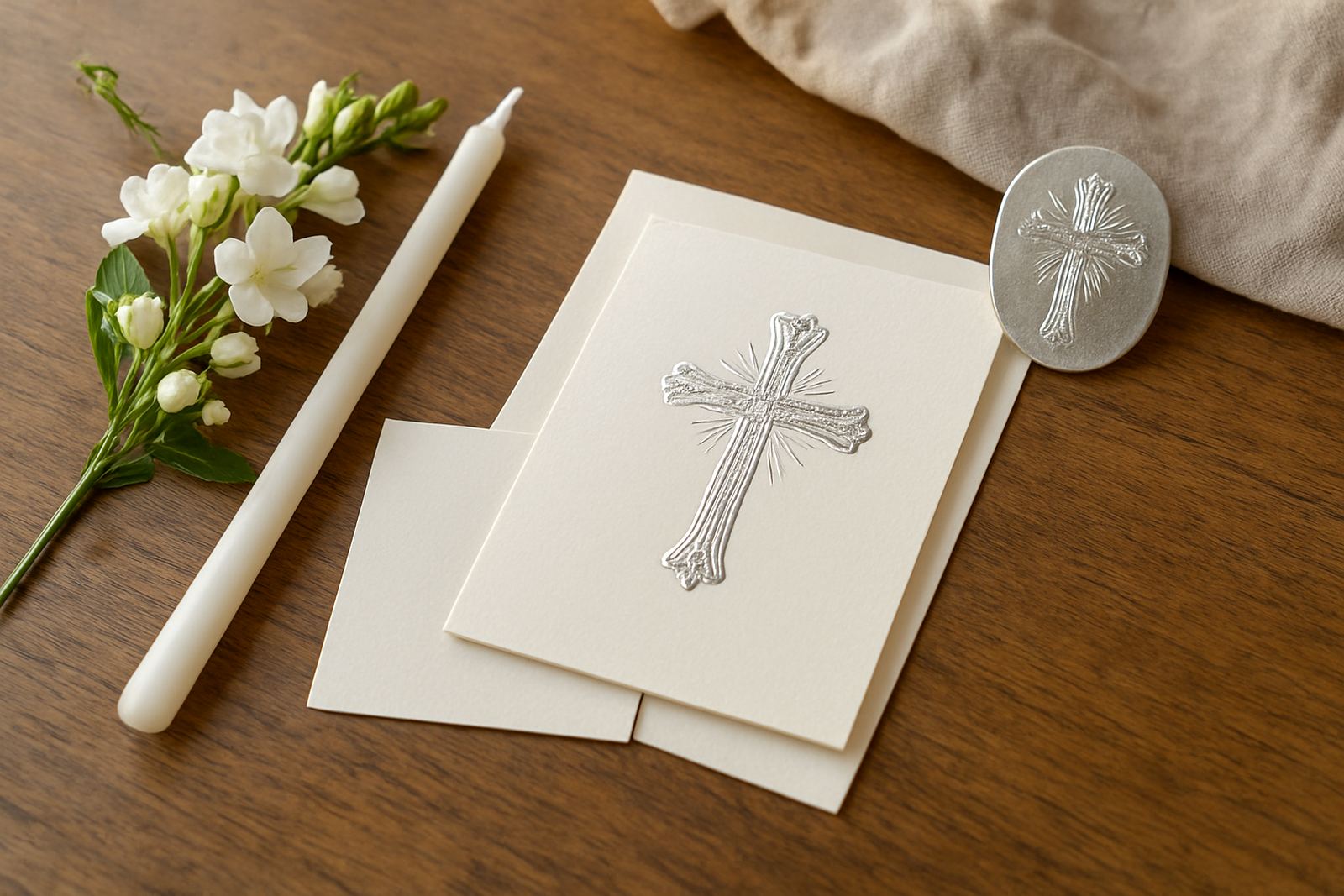
- Wax sealing tools for select formal invites
- Quality checks before packing and courier handover
How to plan the layout so the invitation reads cleanly
Gallery openings often have several pieces of information that need to sit together neatly, such as the venue, opening time, RSVP date, parking notes and dress code. The trick is to avoid crowding the card. A simple hierarchy works best: event name first, then date and time, then venue and response details. If the invitation is too dense, it can lose the calm feel that art-led clients usually want.
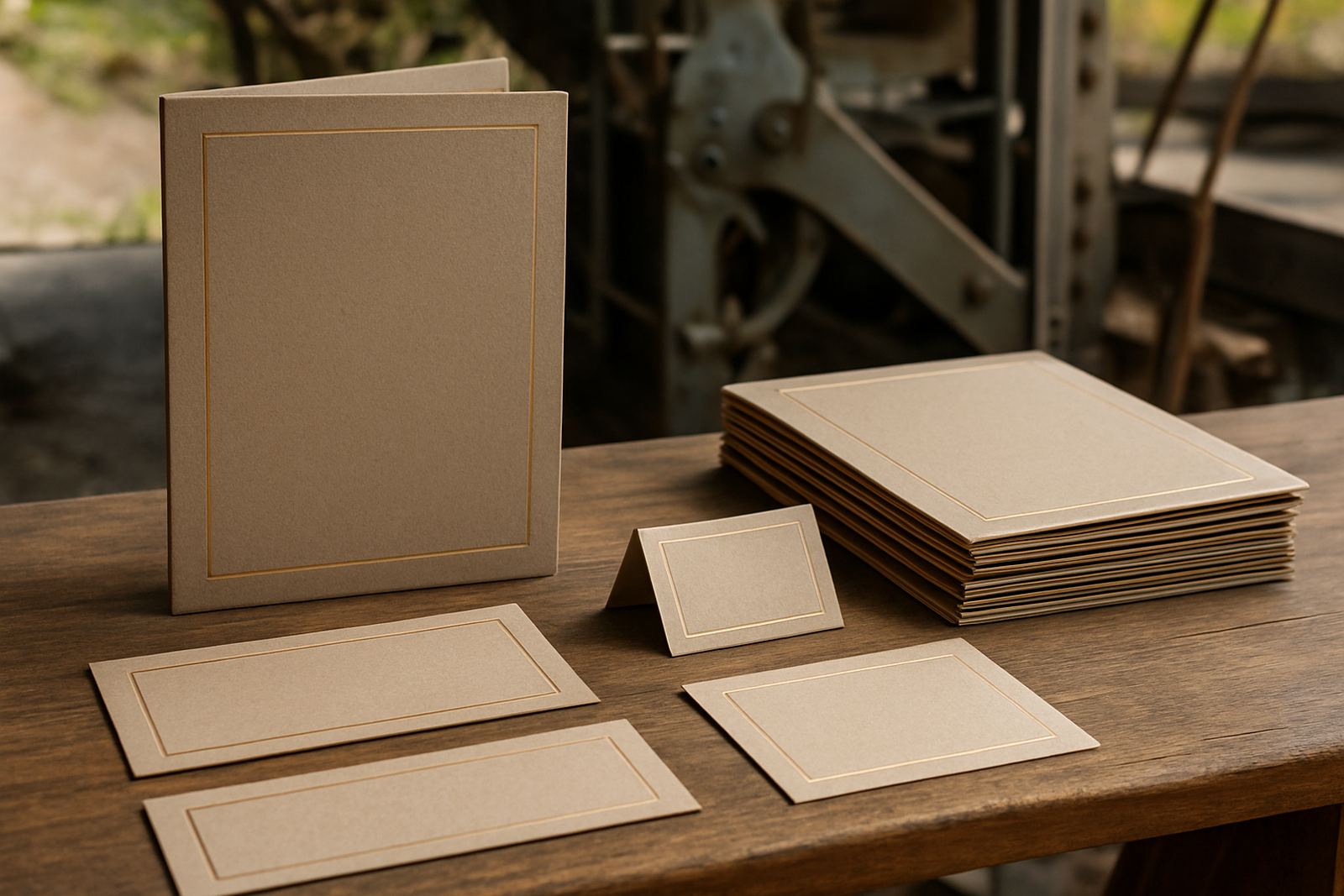
We often suggest a folded format or a small suite when there are extra details. A main card can carry the headline information, with a second insert for map directions, collector notes or parking instructions. That gives you room to breathe, and it helps guests find the details quickly. It also keeps the front of the invitation uncluttered, which is important for minimal design.
- Keep the wording short and specific
- Use one type family or a very small set of styles
- Allow enough white space around the title
- Check the RSVP date is visible at a glance
- Leave room for postal envelopes if you are posting out
Common mistakes with exhibition stationery
One of the most common mistakes is trying to fit too much into one card. Exhibition invites often need more information than a wedding card, but that does not mean every line must sit on the front. Another issue is using paper that is too light. A thin card can curl, especially in damp weather or after courier handling, and that does not suit a premium opening.
We also see people leave proofing too late. If artist names, titles or venue addresses are rushed, small errors can slip through. That is why artwork proofing matters. It gives us a chance to check line breaks, spacing, spelling and alignment before production. Even a small shift in a foil line can change the feel of the whole piece, so final approval should not be left until the last minute.
For events in busy areas like the Cape Town CBD or along the Atlantic Seaboard, it is worth considering delivery lead times as well. A proper plan avoids last-minute panic, and it means the stationery arrives neatly packed instead of being folded into a bag on the day.
Budget ranges for gallery opening invitations in Rand
The budget depends on quantity, paper choice, number of inserts and the type of finishing. Minimal invitations can stay quite cost effective, while foil stamping and special folding will add to the price. Small runs are common for gallery openings, especially when the guest list is selective, so the per-unit cost can be higher than for larger event print jobs.
As a guide, simple printed invitation sets for smaller events are quoted per job. Foil-stamped cards with better paper and envelope matching often fall a quoted price. More detailed suites with inserts, address printing, wax seal finishing or gift packaging is quoted per job, depending on the brief. Courier costs are quoted separately for nationwide delivery. Ask for a quote
If you are planning a launch in Woodstock, the Northern Suburbs or further out in Somerset West or Paarl, it helps to finalise quantities early. A clear guest list keeps waste down and makes the quote easier to manage.
Working with our Woodstock studio from brief to delivery
Clients usually start through the enquiry form on our contact page with the event date, venue and rough quantity. From there, our team reviews the brief, suggests suitable stock and finishing, then prepares artwork for approval. Nadine van Wyk oversees the overall direction, while Anke Botha handles the design details and Lwazi Mokoena manages production. Reece Naidoo assists with client planning, Nolwazi Masemola manages the finishing stage, and Mia Adams coordinates courier dispatch.
For exhibition work, lead times are best kept sensible. A smaller run may be possible in about 5 to 7 working days once artwork is approved, while more complex suites should allow 10 to 15 working days. If you are dealing with a fixed opening night, curator approvals or municipal venue rules, build in extra time for changes. It is always easier to trim a layout than to rush a reprint at the end.
Whether the invitations are going to Cape Town clients, Stellenbosch collectors or guests across South Africa, the aim is the same: clean presentation, careful finishing and stationery that feels appropriate to the work on show.