
Start with the occasion, then match the paper
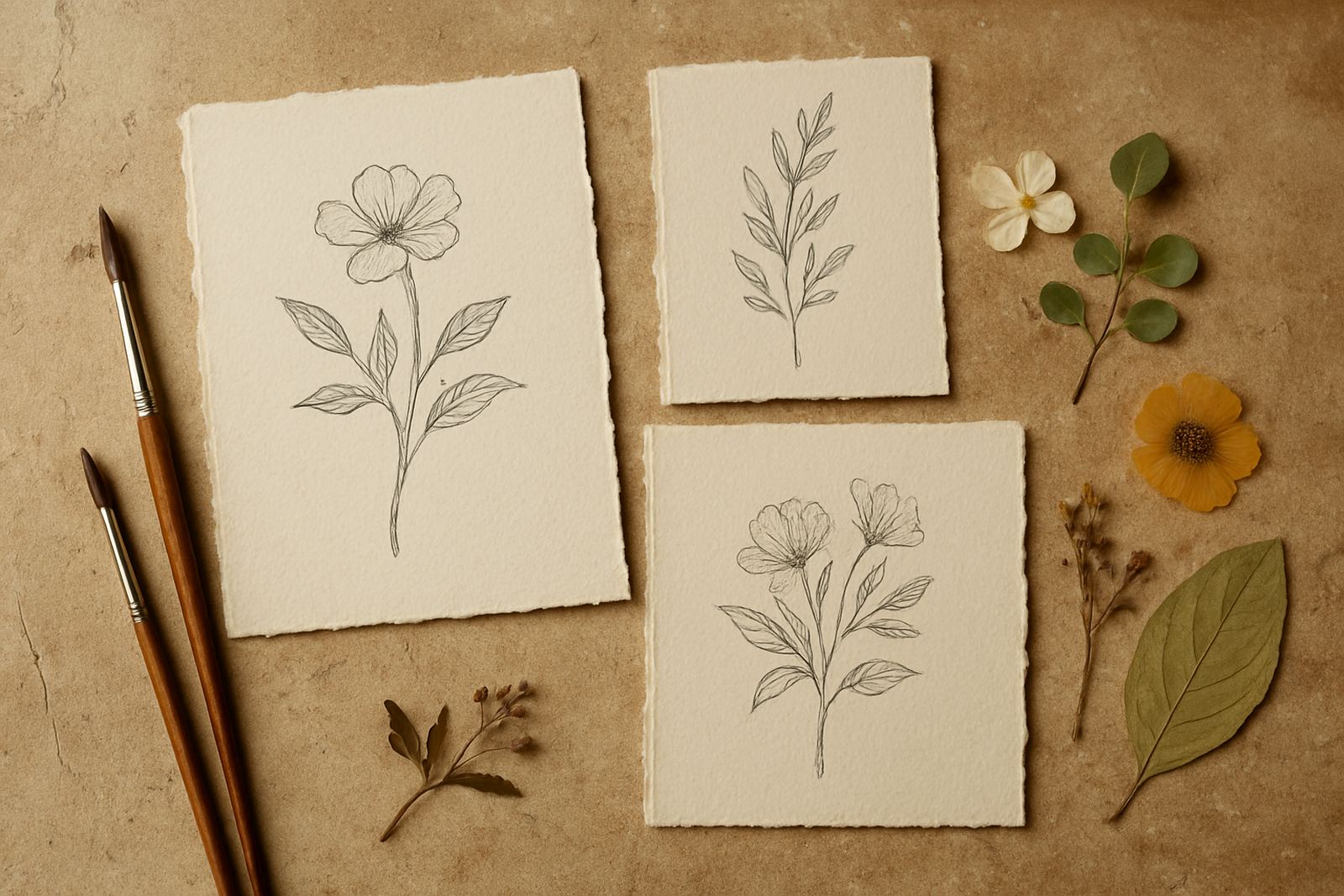
The easiest way to choose stationery is to begin with the event itself. A small Cape Town dinner needs different paper goods from a wedding at a wine estate, a corporate launch in the city bowl or a family celebration with guests travelling in from Paarl and Somerset West. Think about the tone first, then the materials, colours and level of finishing that will carry that mood through the whole suite.
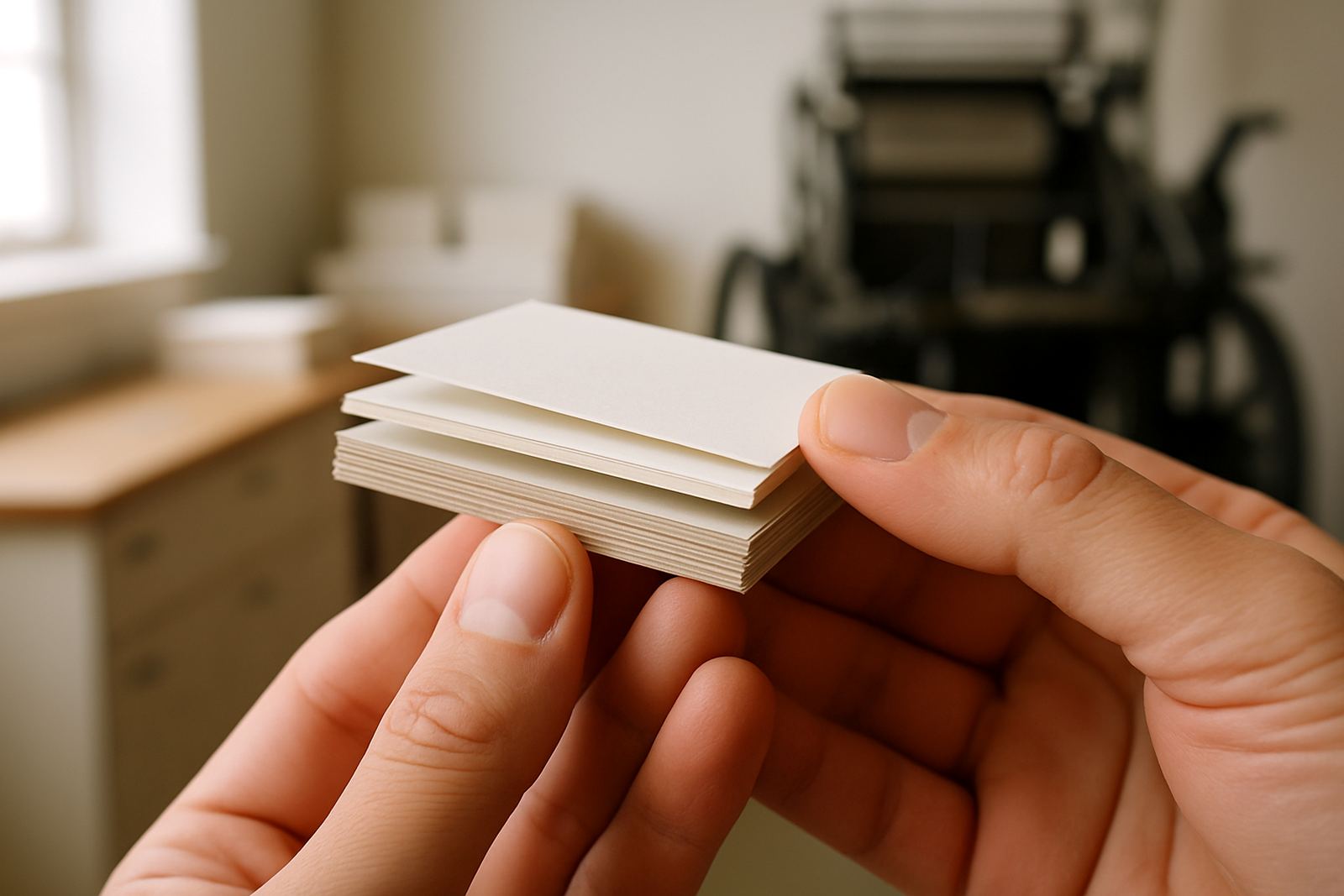
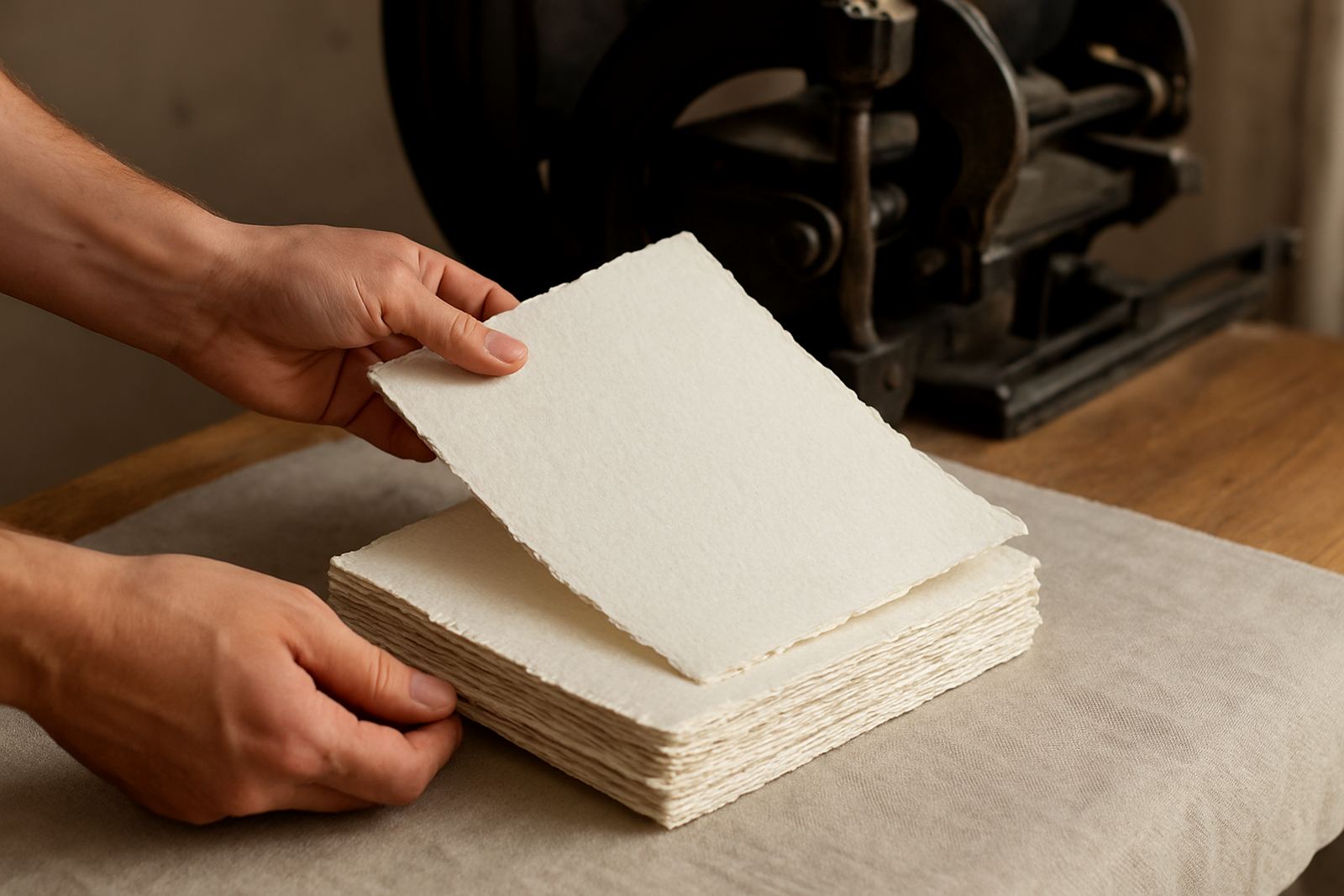
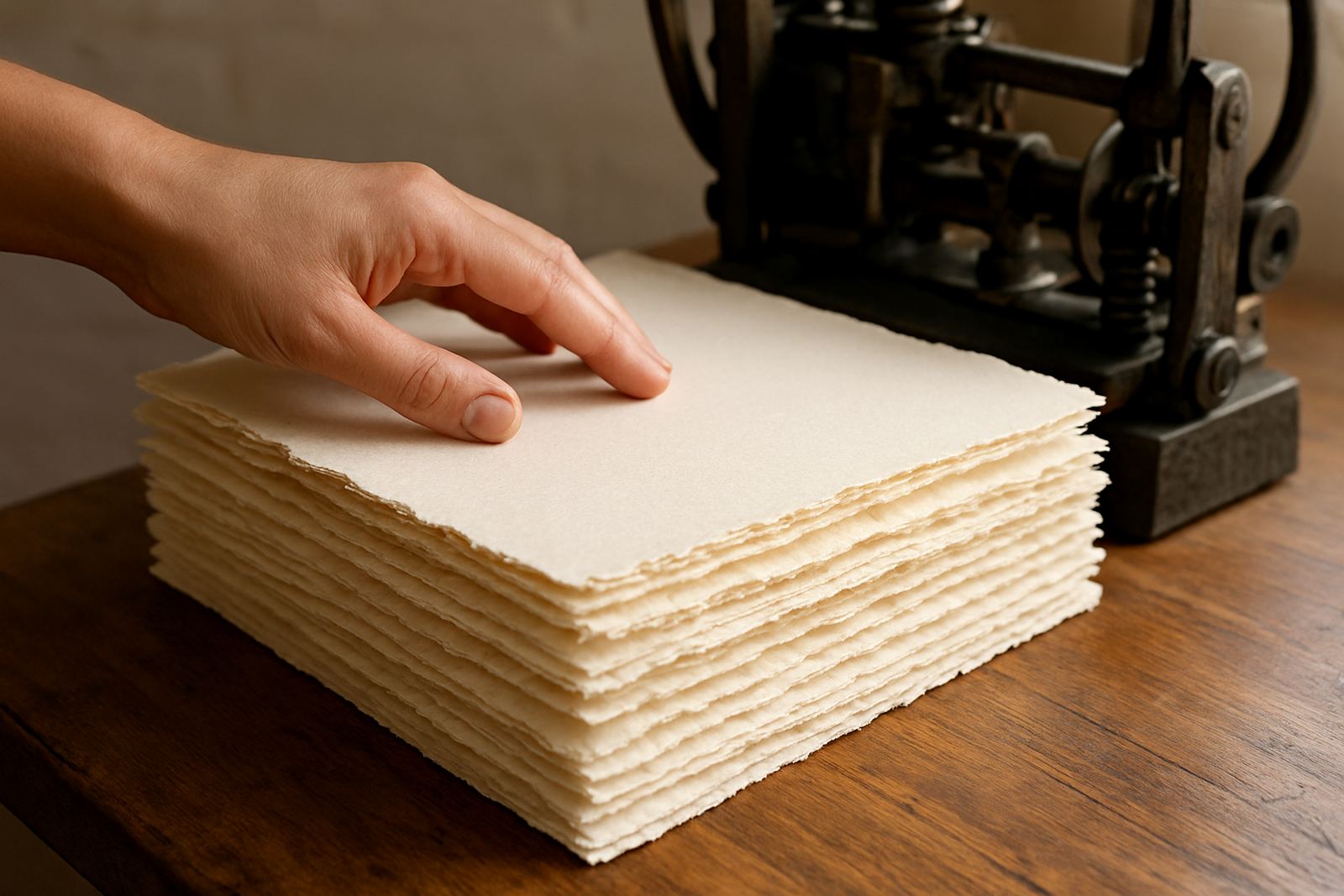
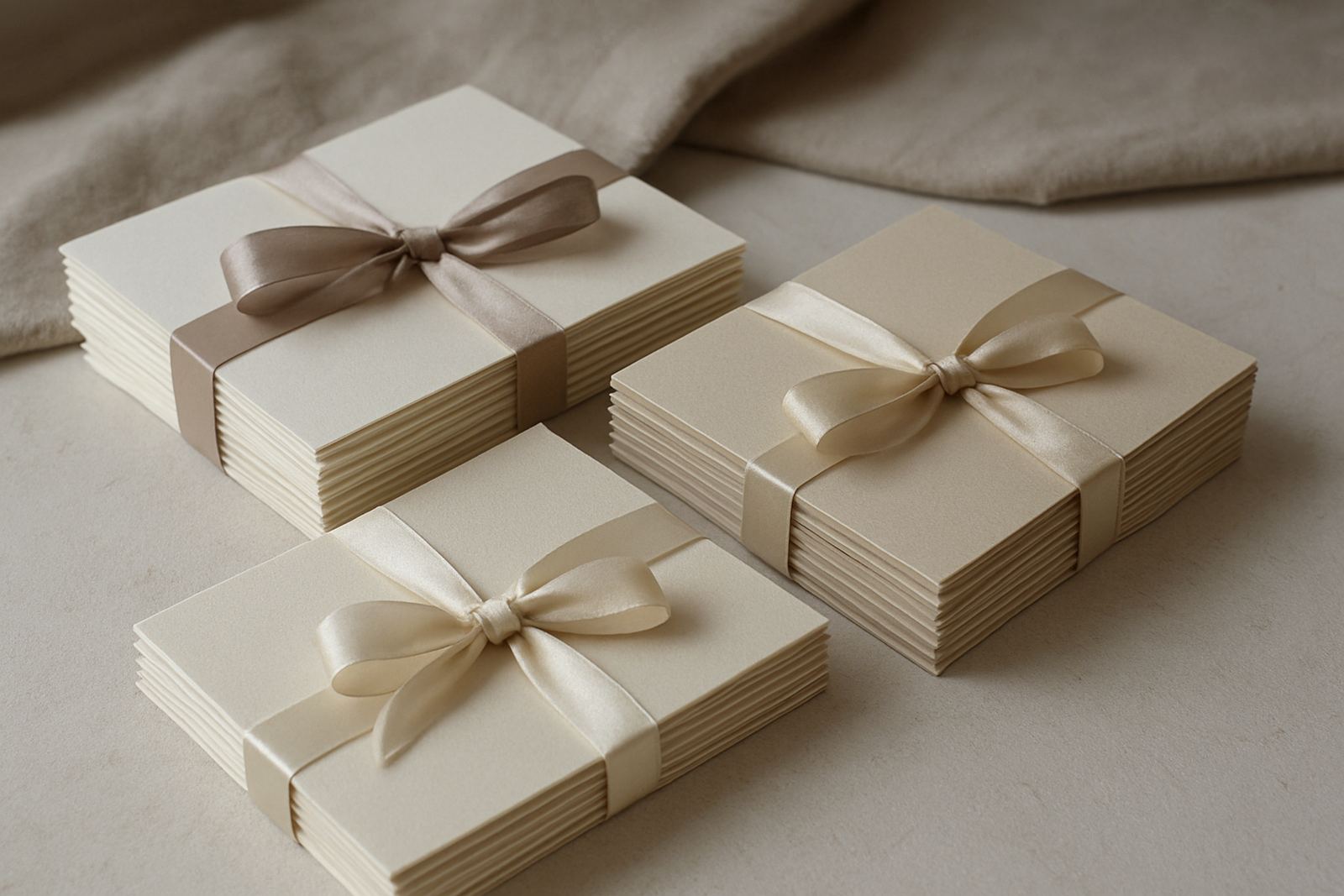
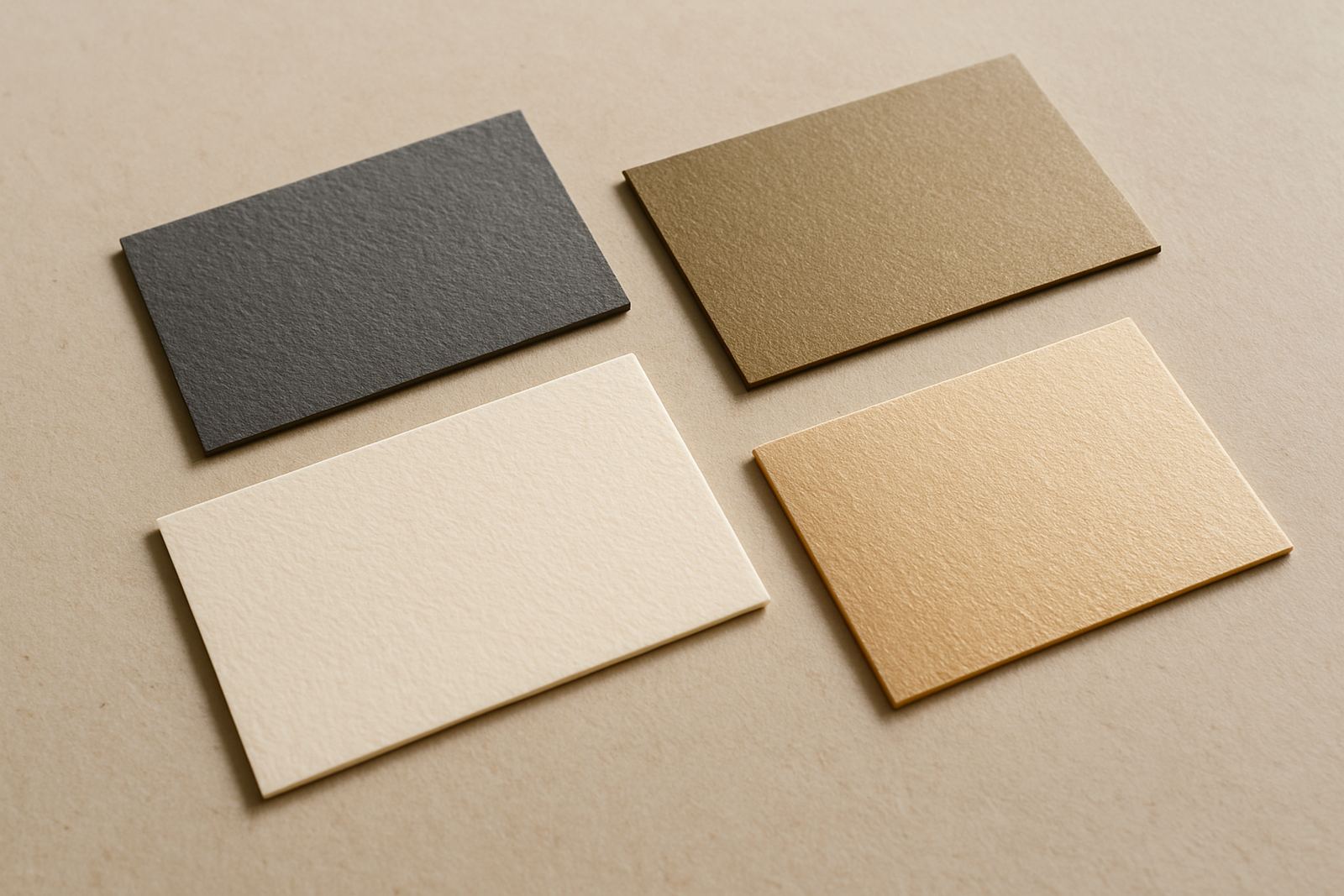
Heavy papers feel formal and hold foil, embossing and letterpress well. Lighter stocks suit layered inserts, gift cards and envelope addressing, especially when a full suite has to stay within courier weight limits. In coastal areas, humidity can affect certain papers, so choosing the right stock and storage matters more than people expect. A good paper journal should help you see those small decisions before the order is finalised.
What to look for in luxury finishes
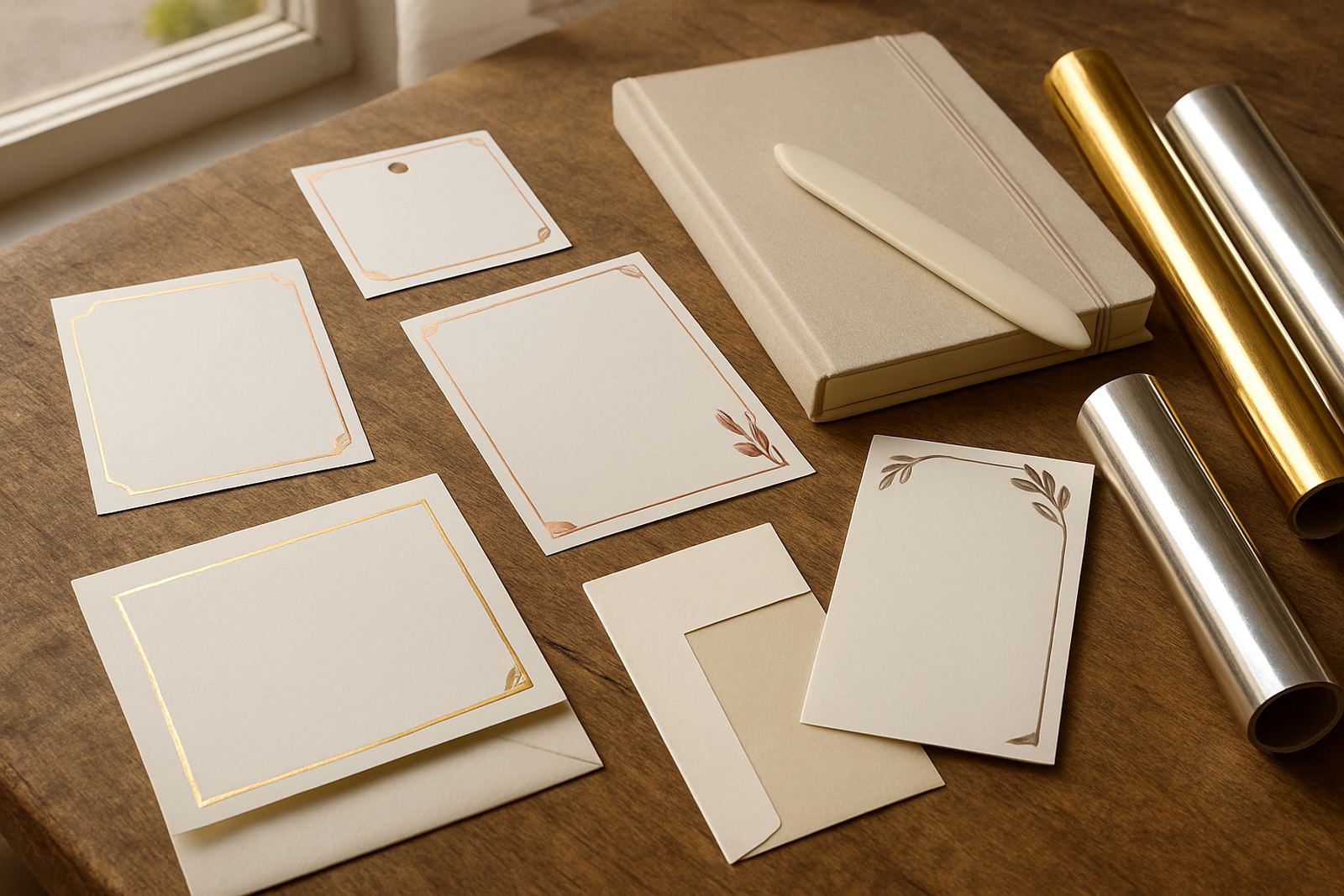
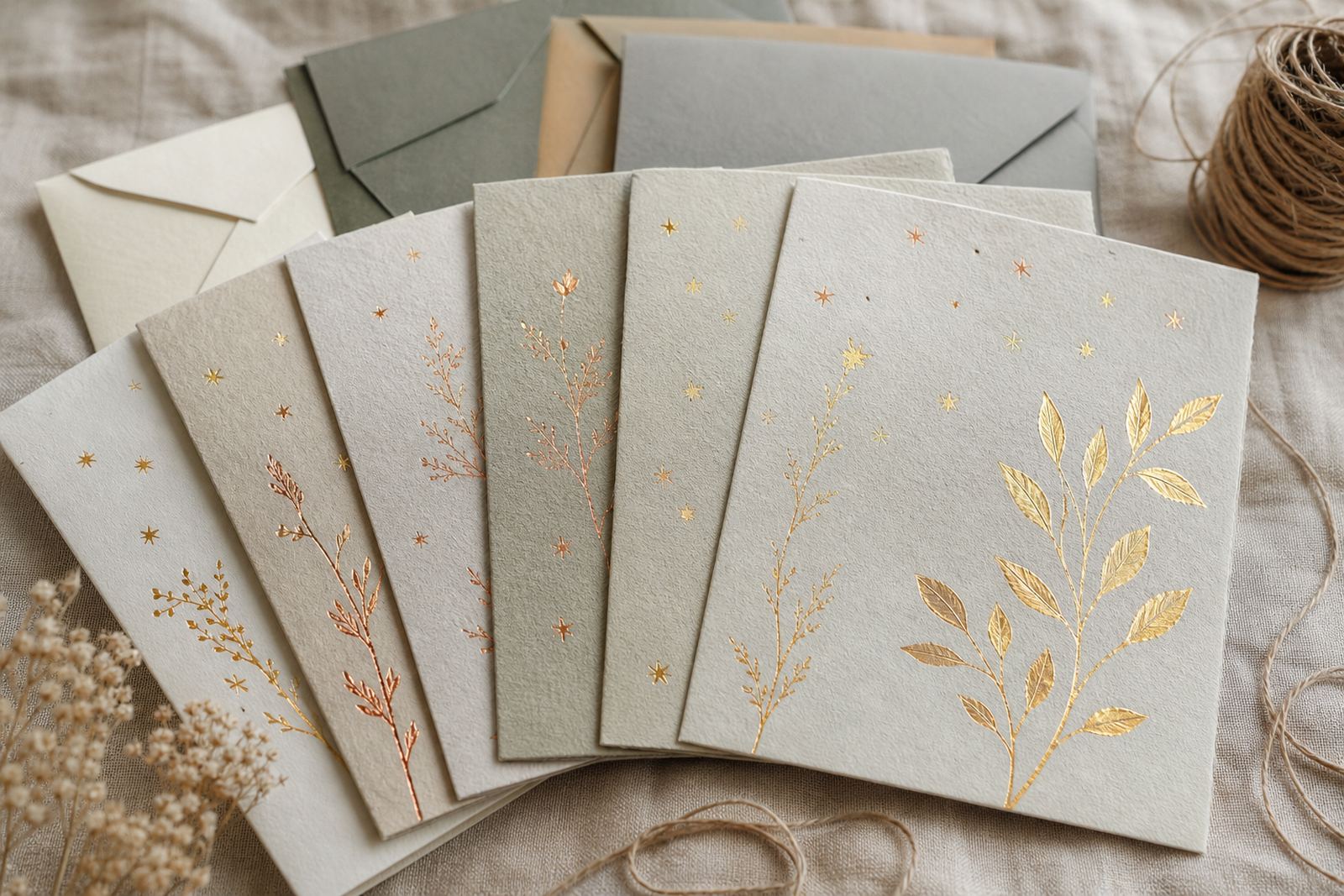
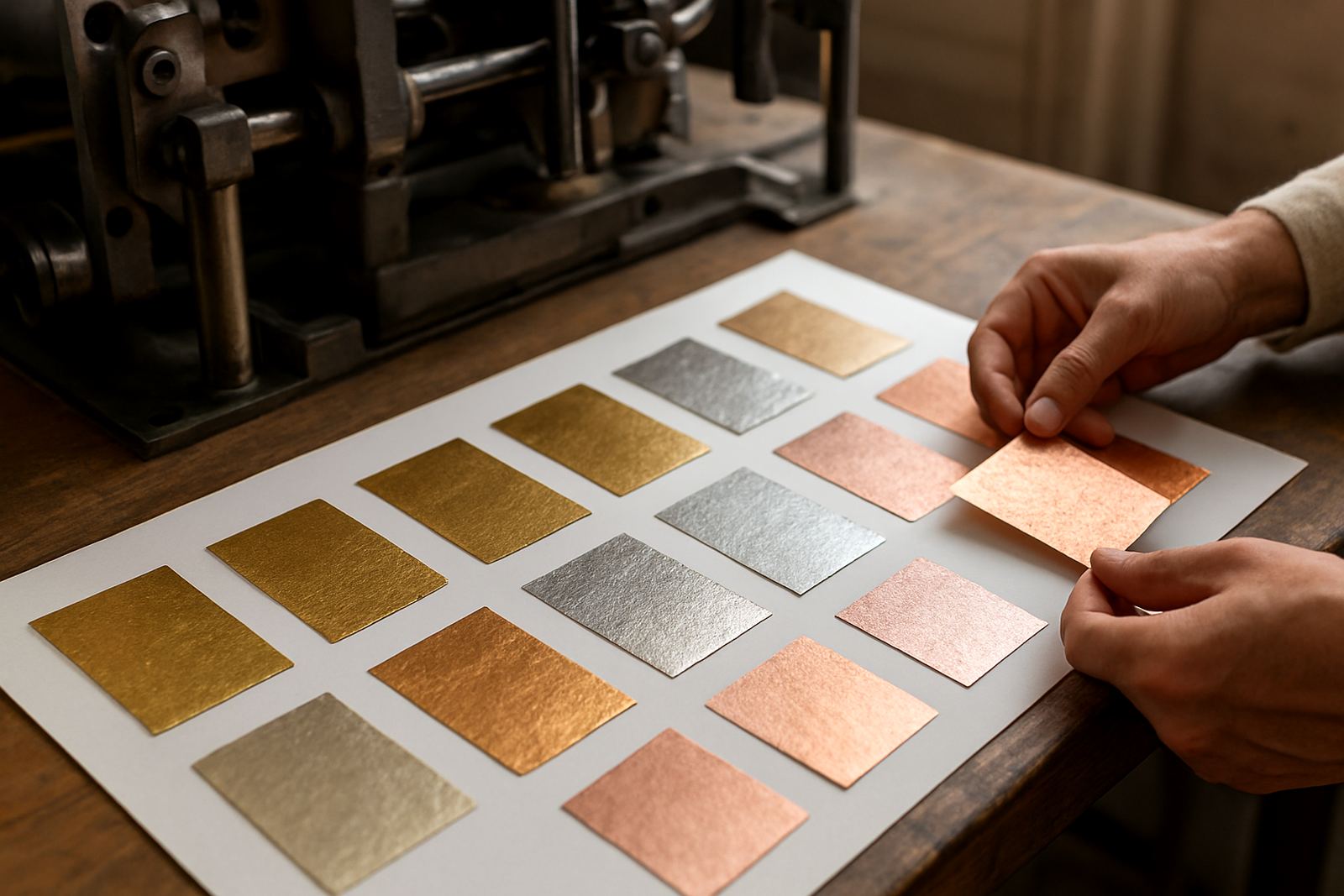
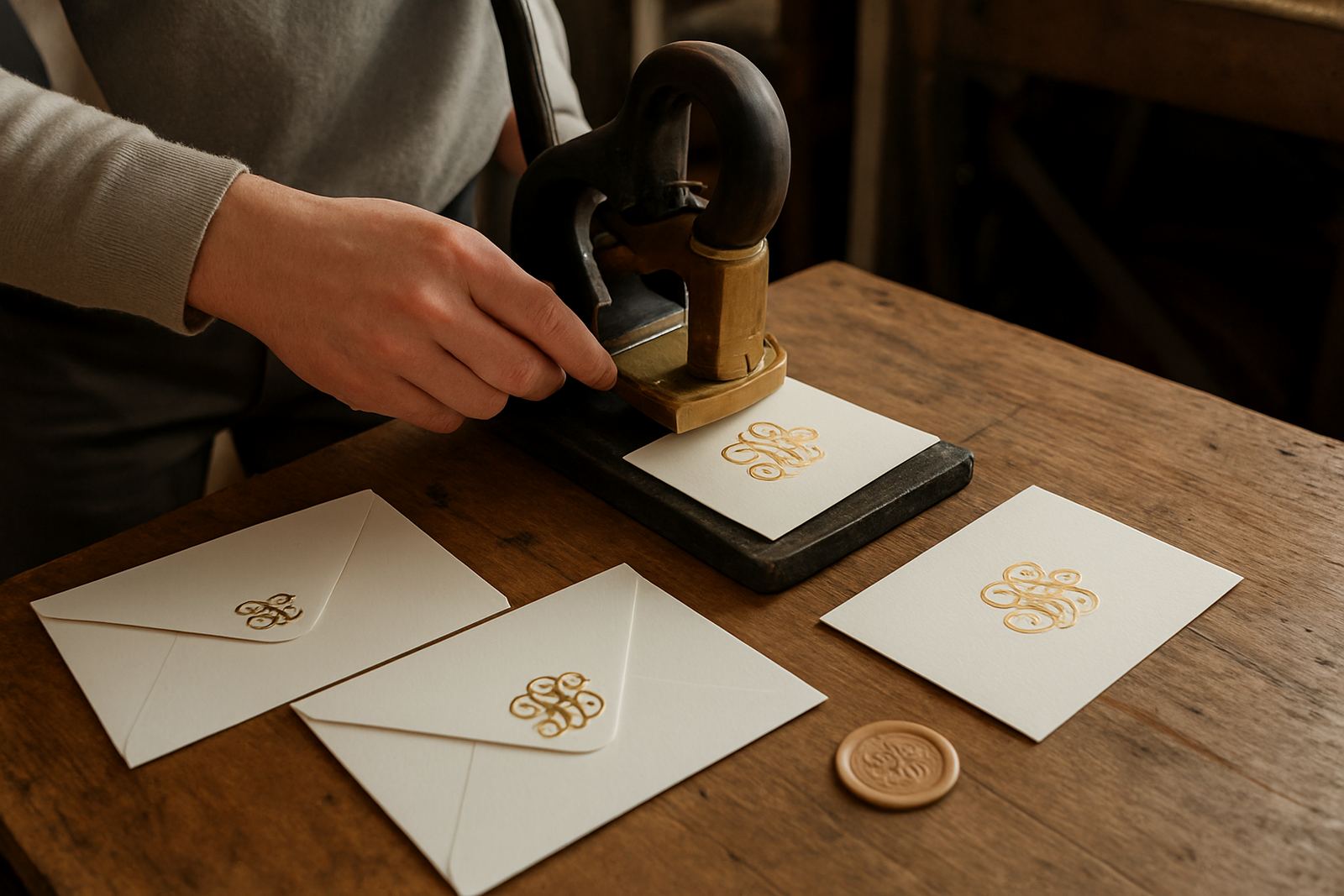
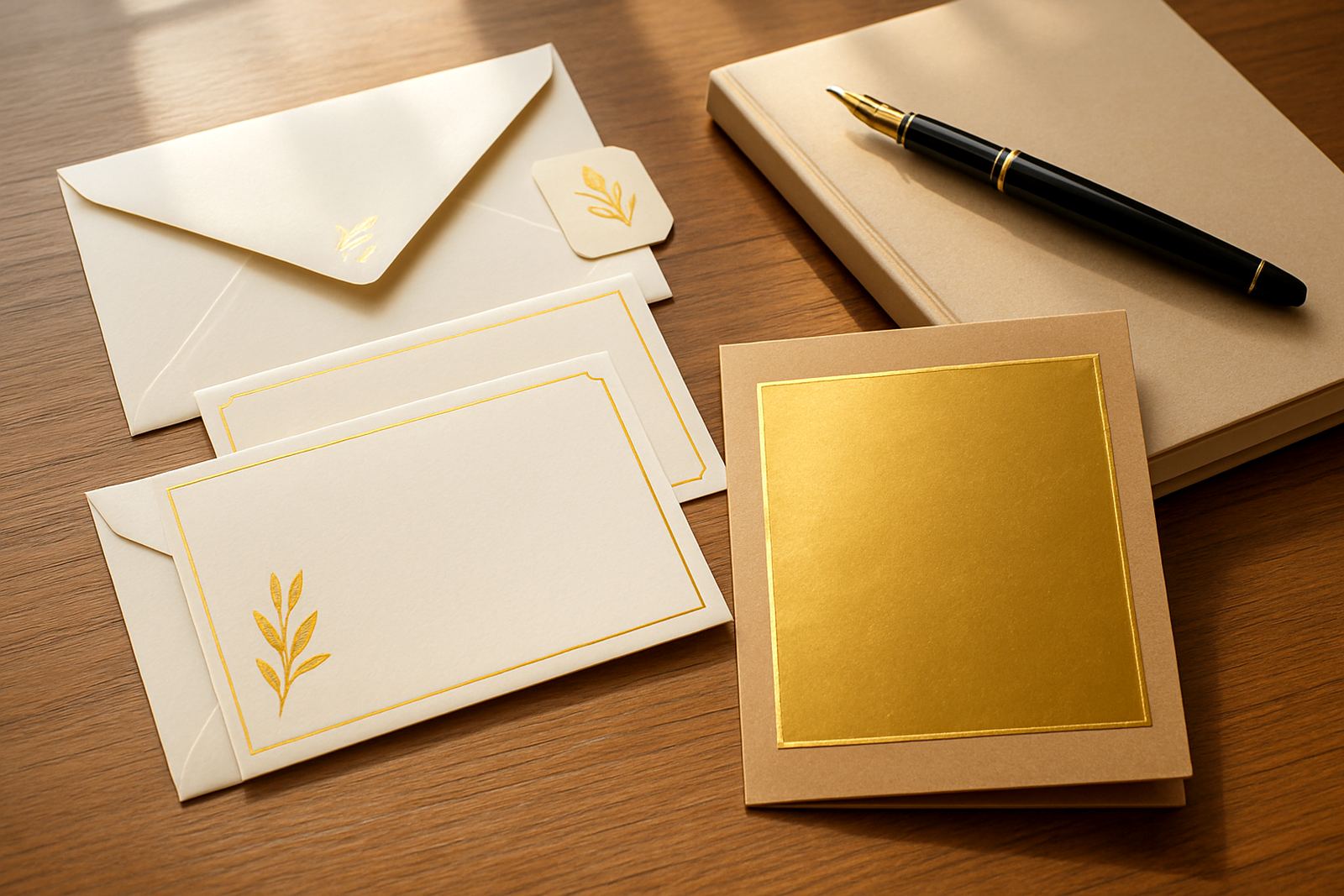
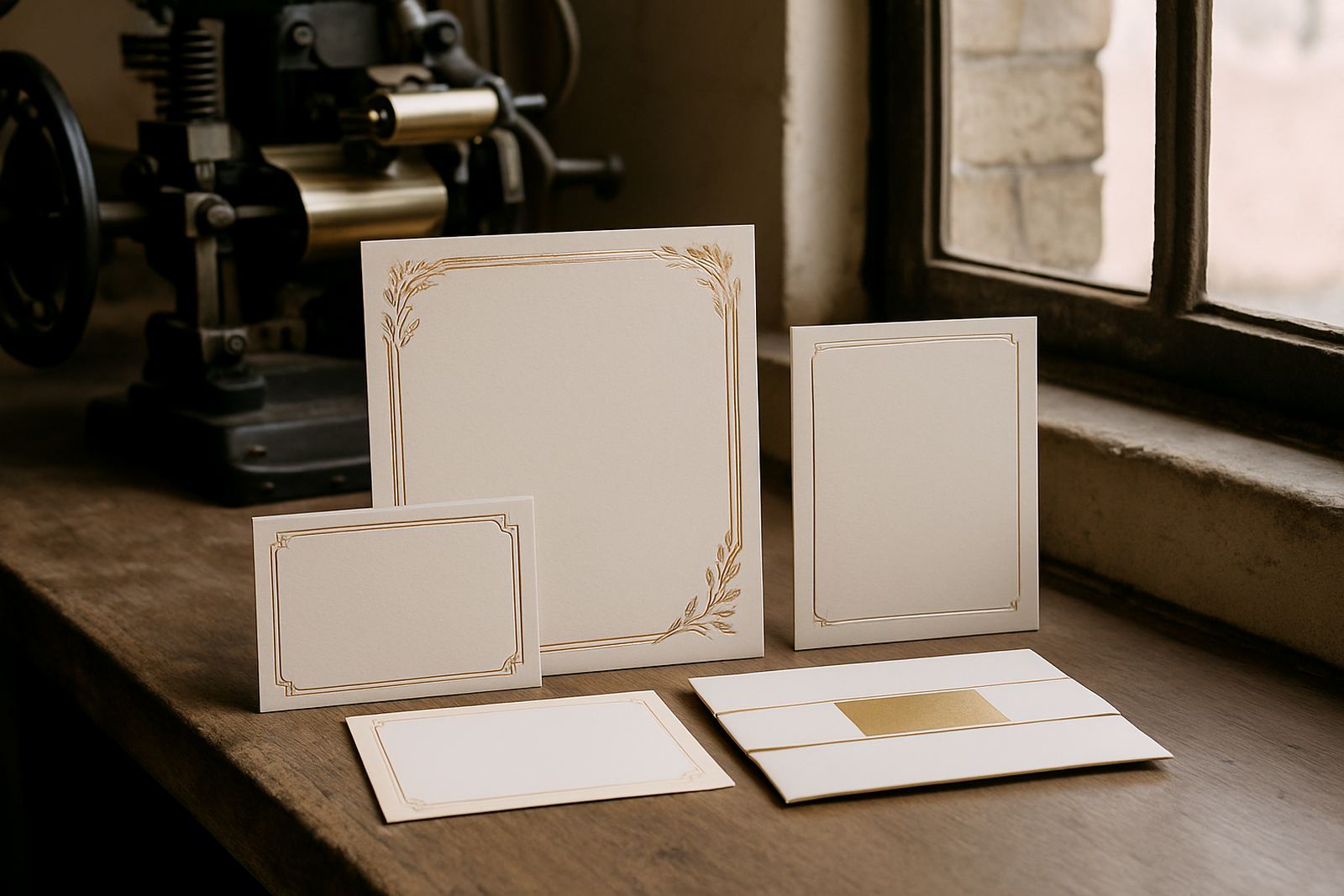
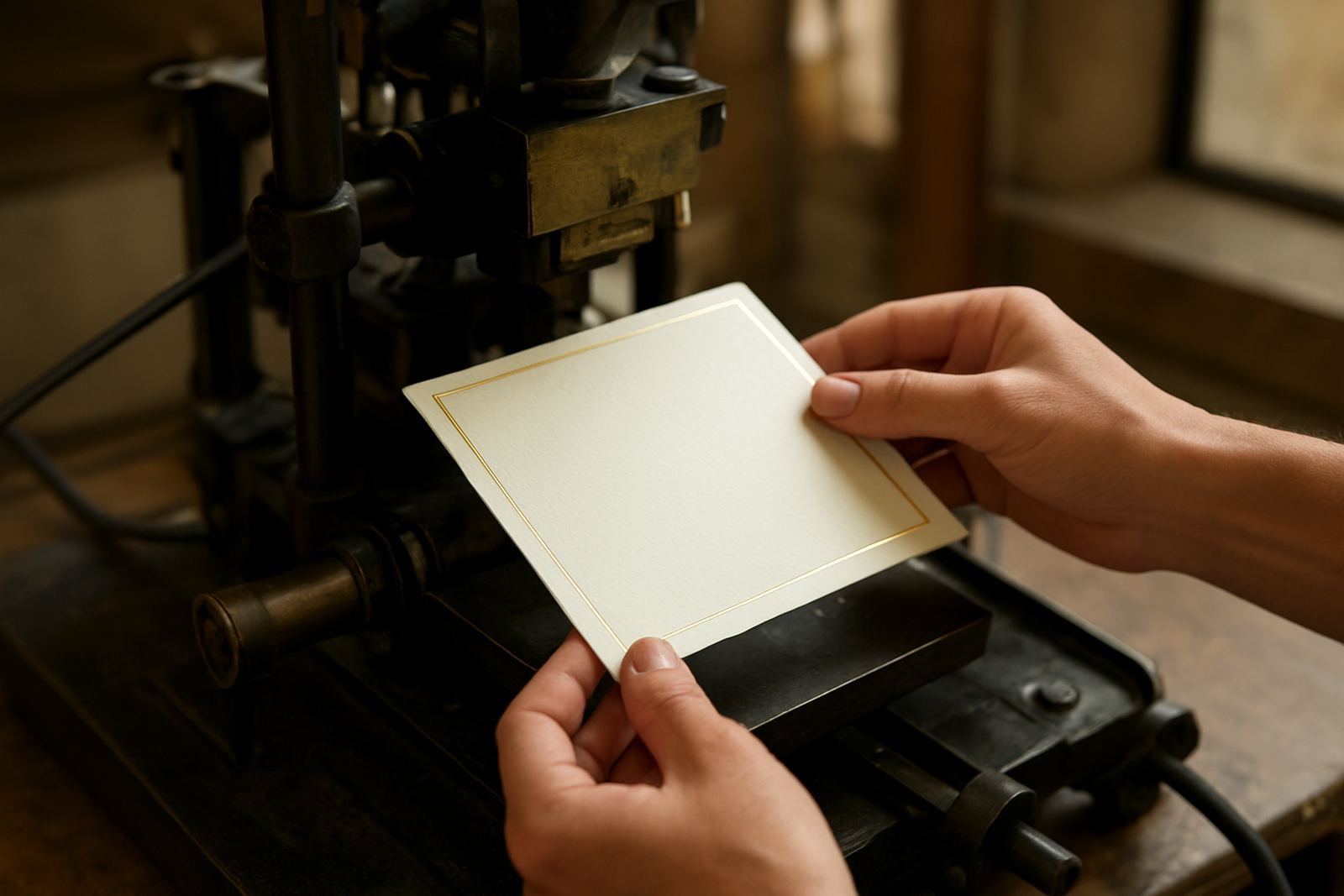
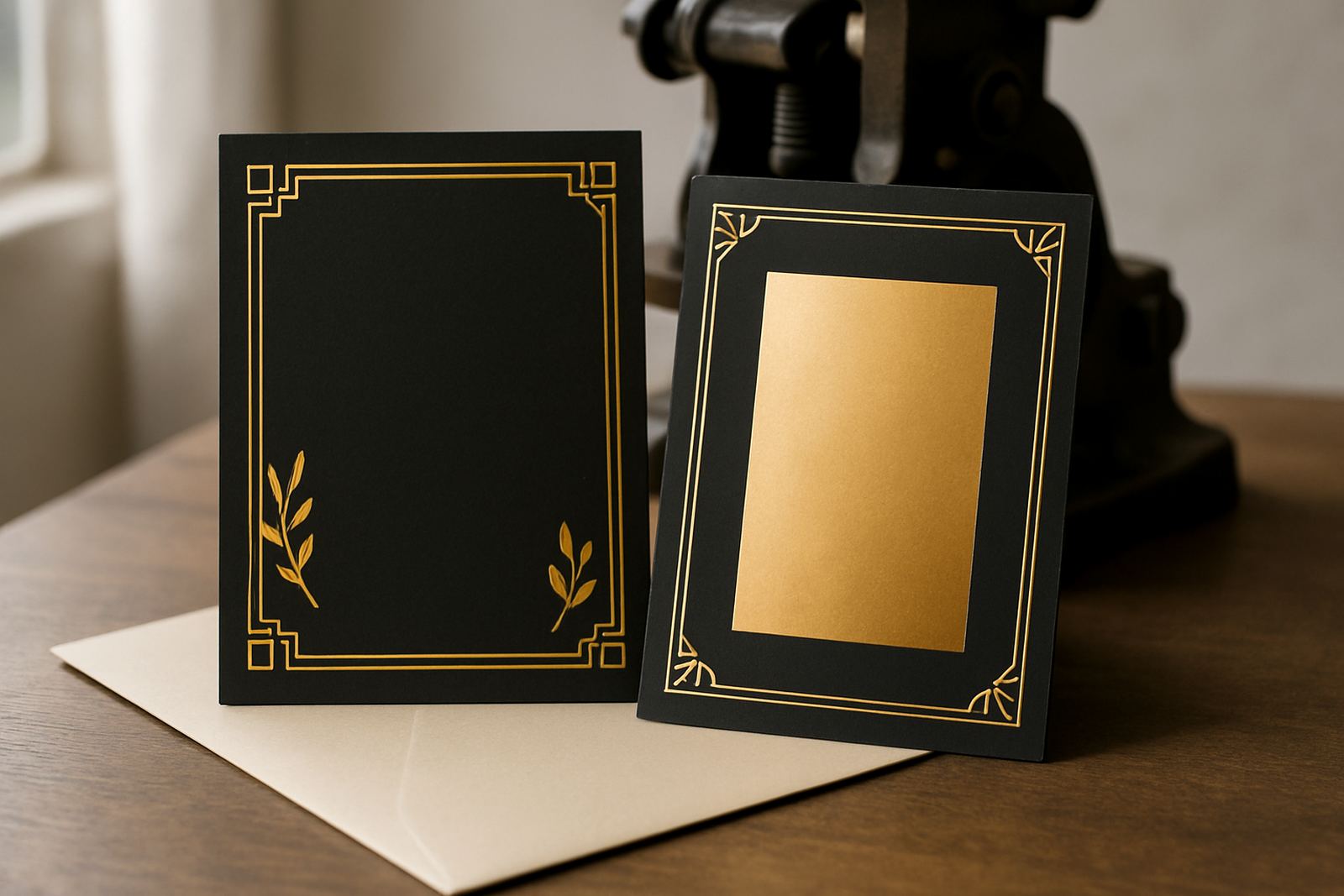
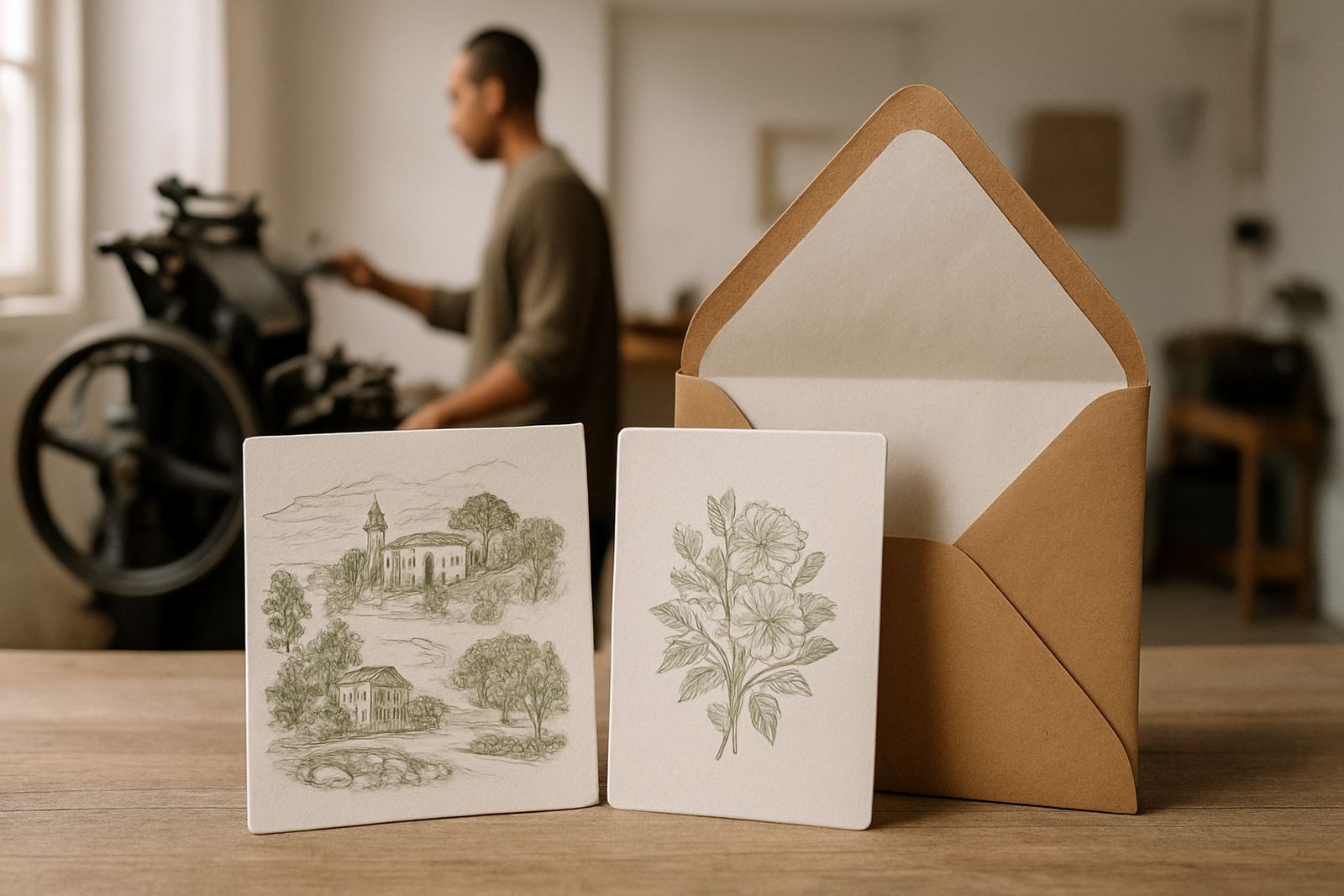
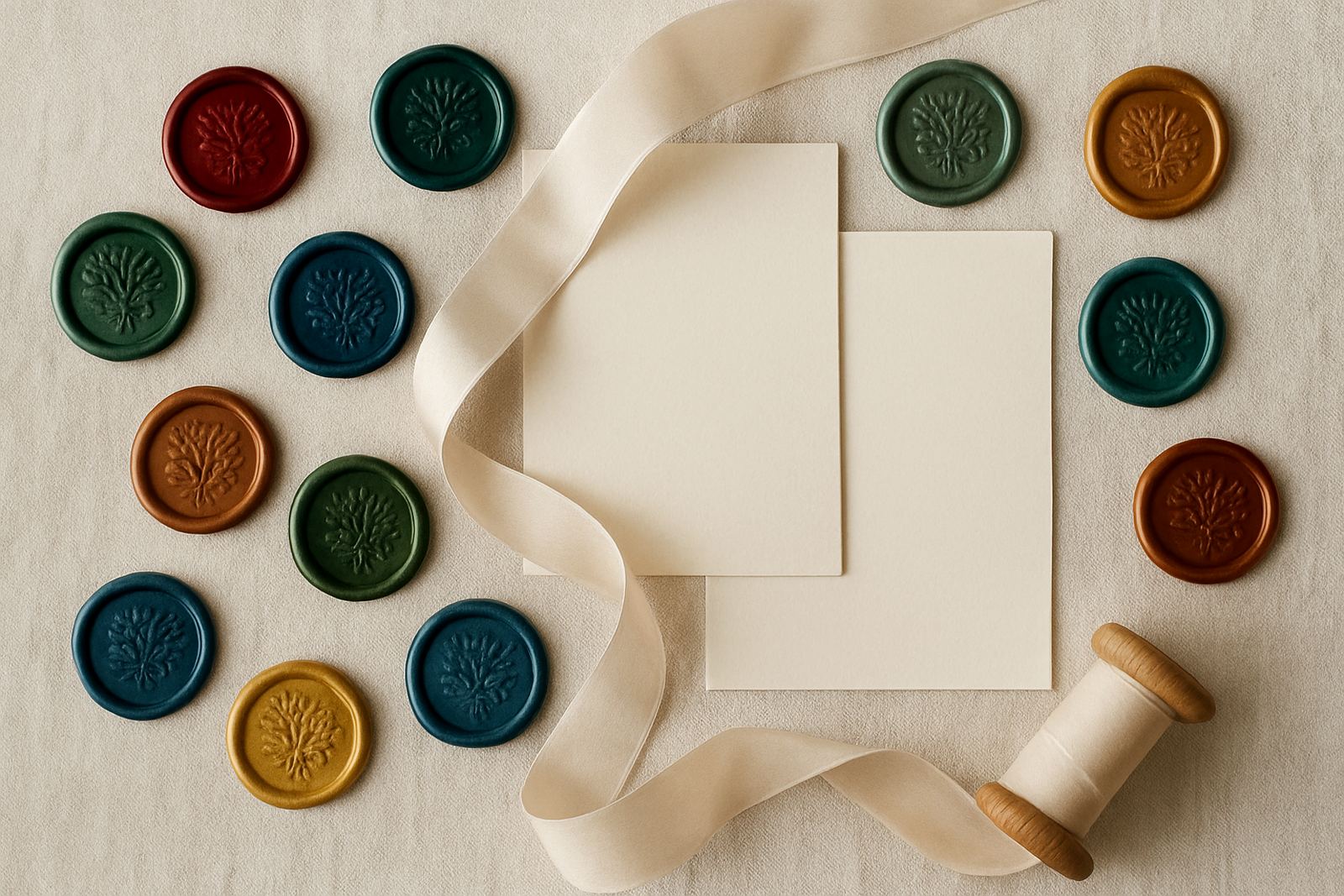
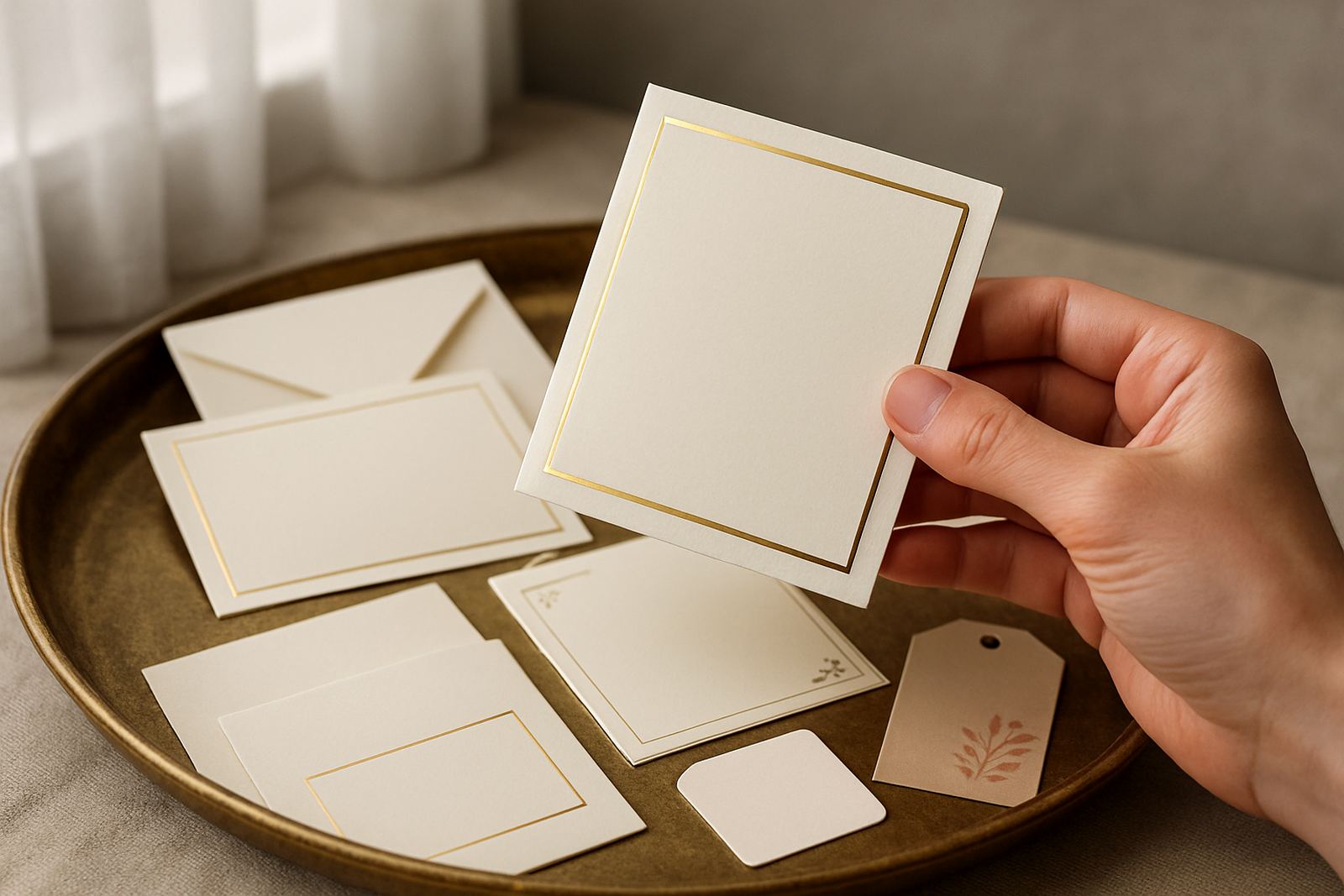
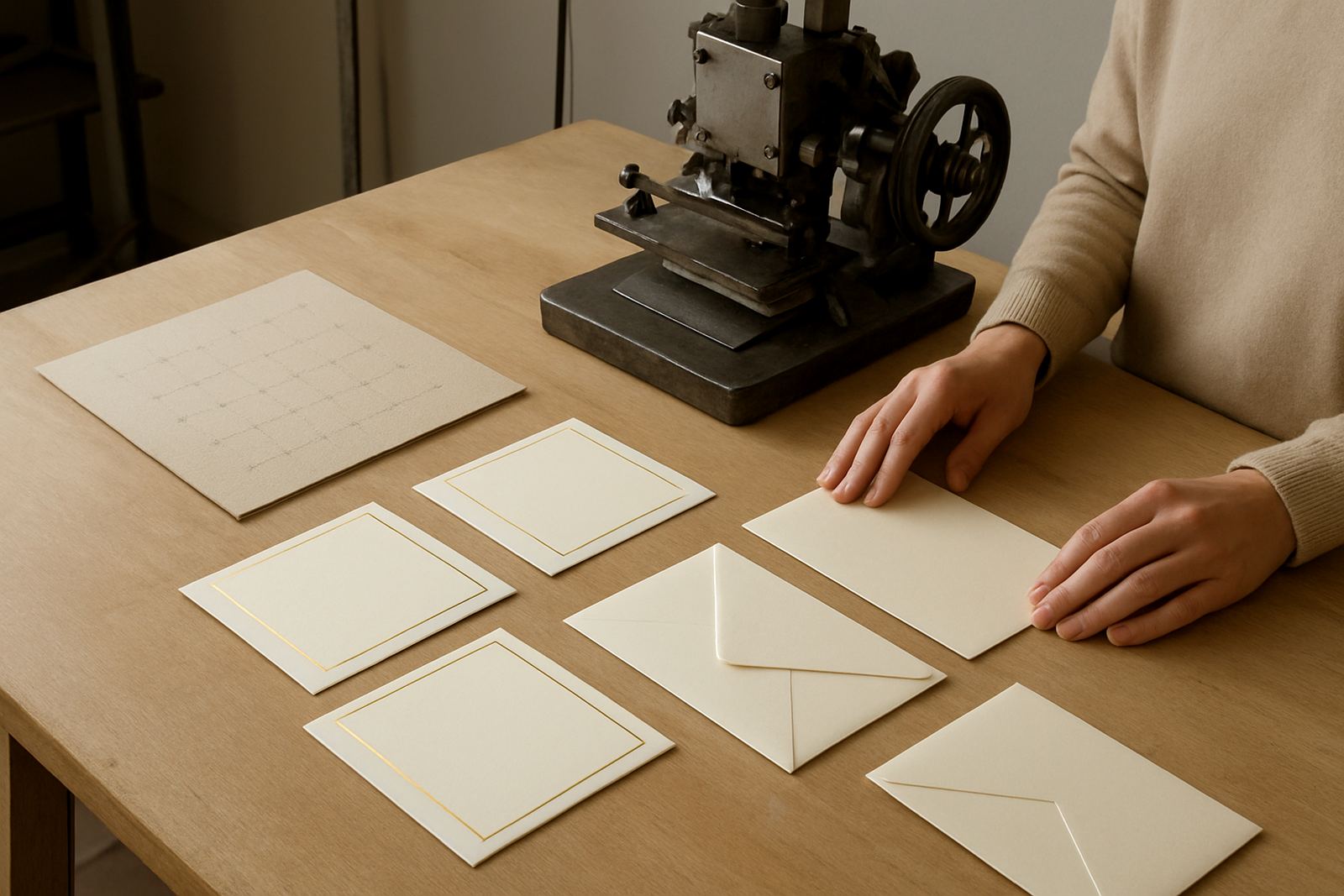
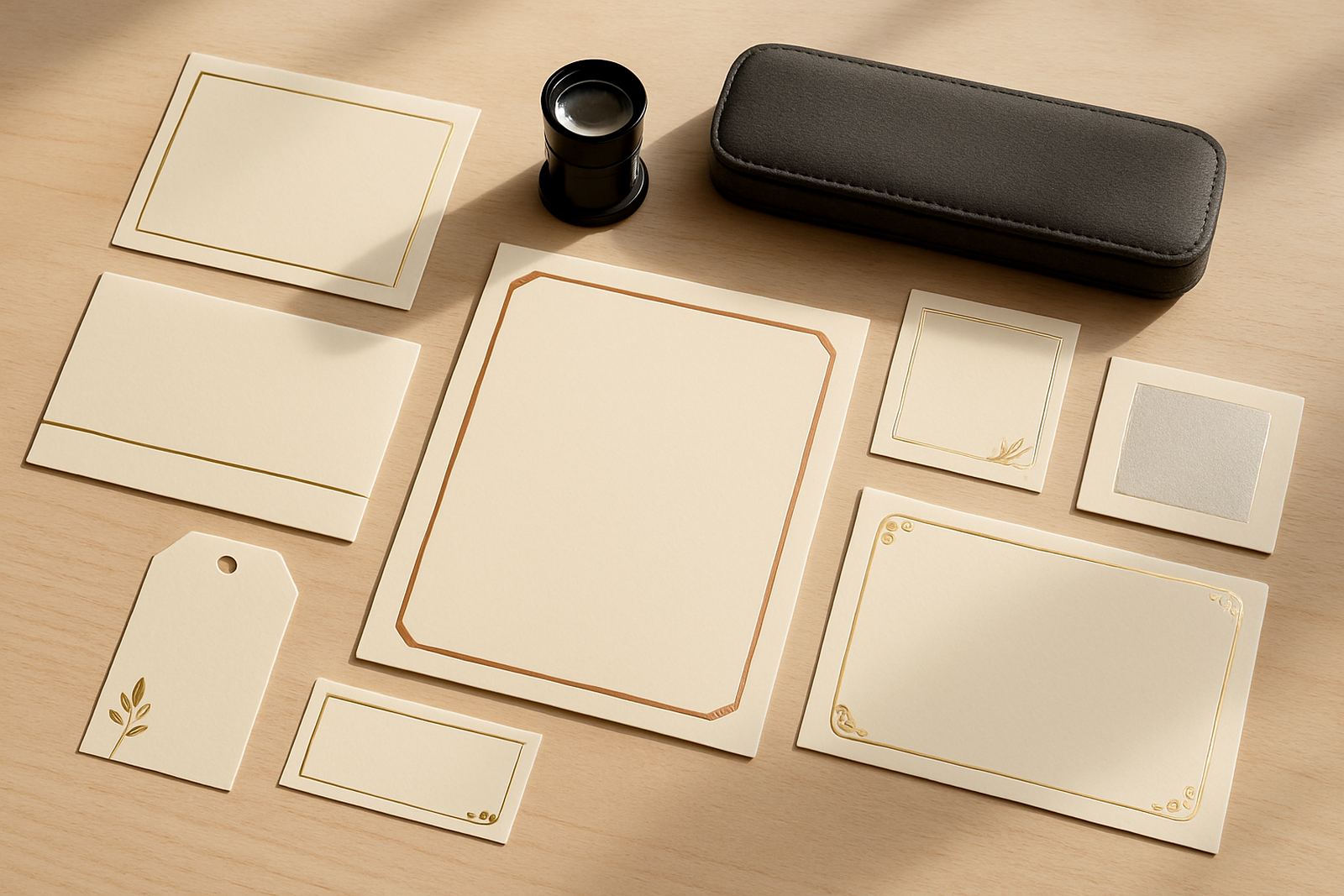
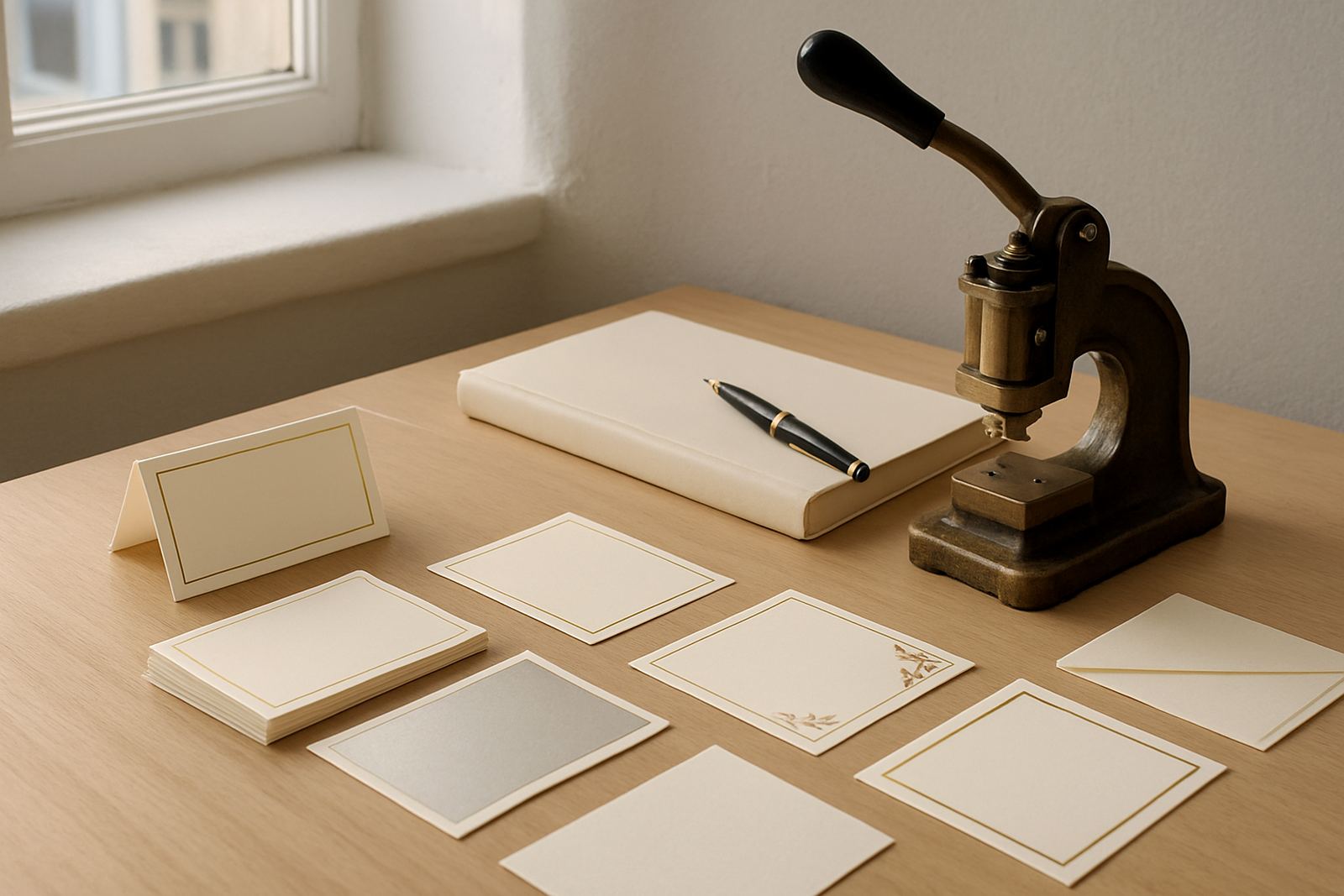
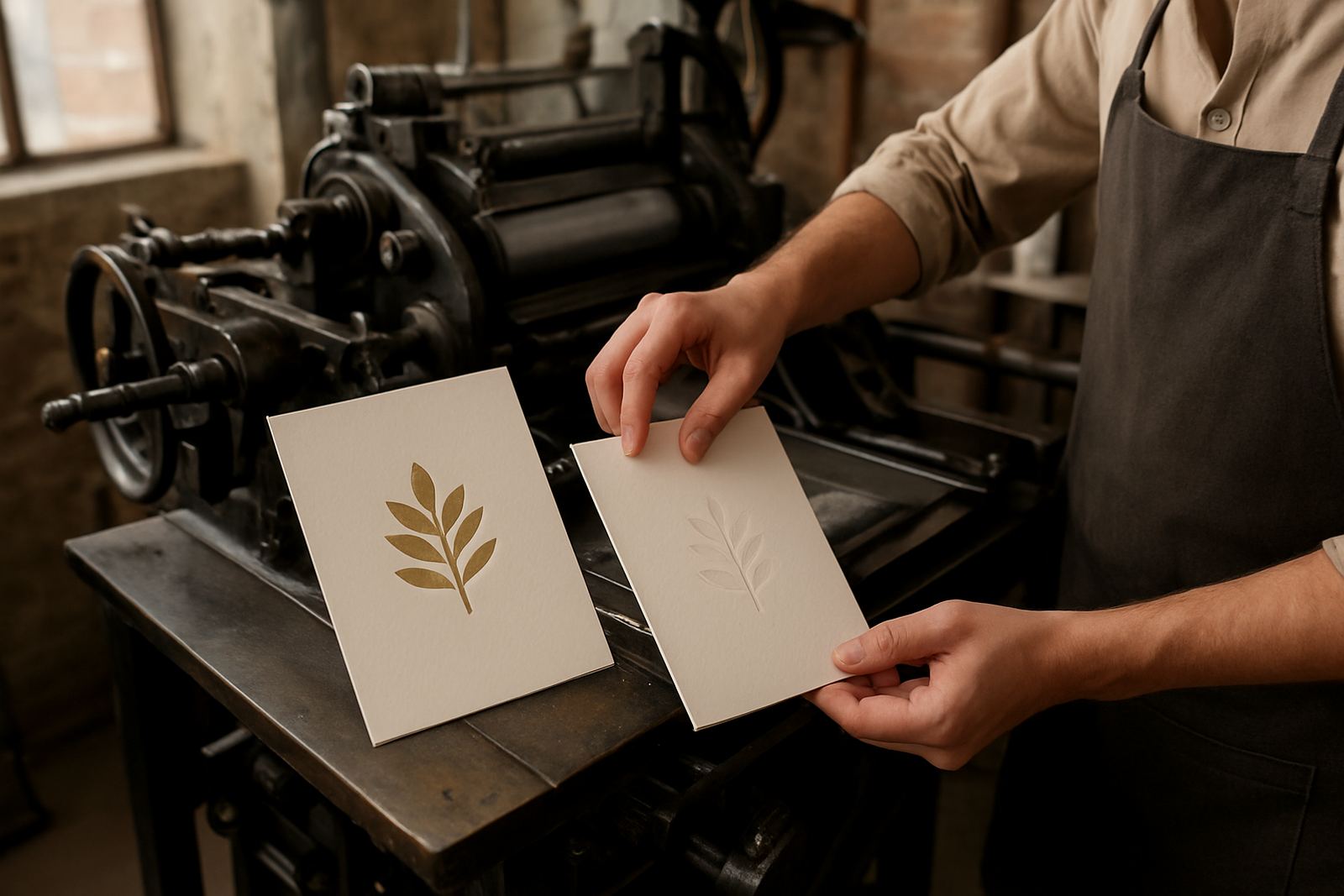
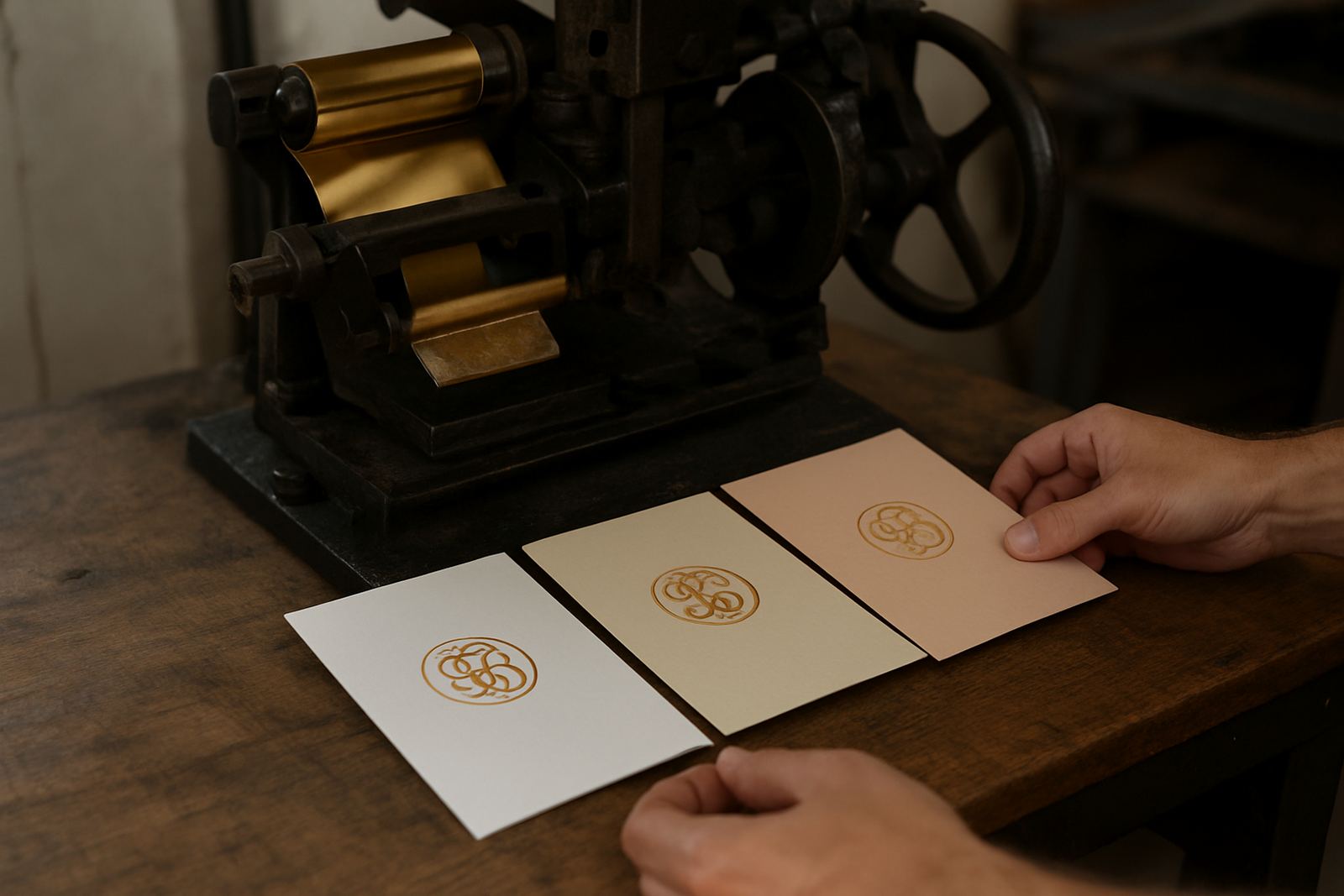
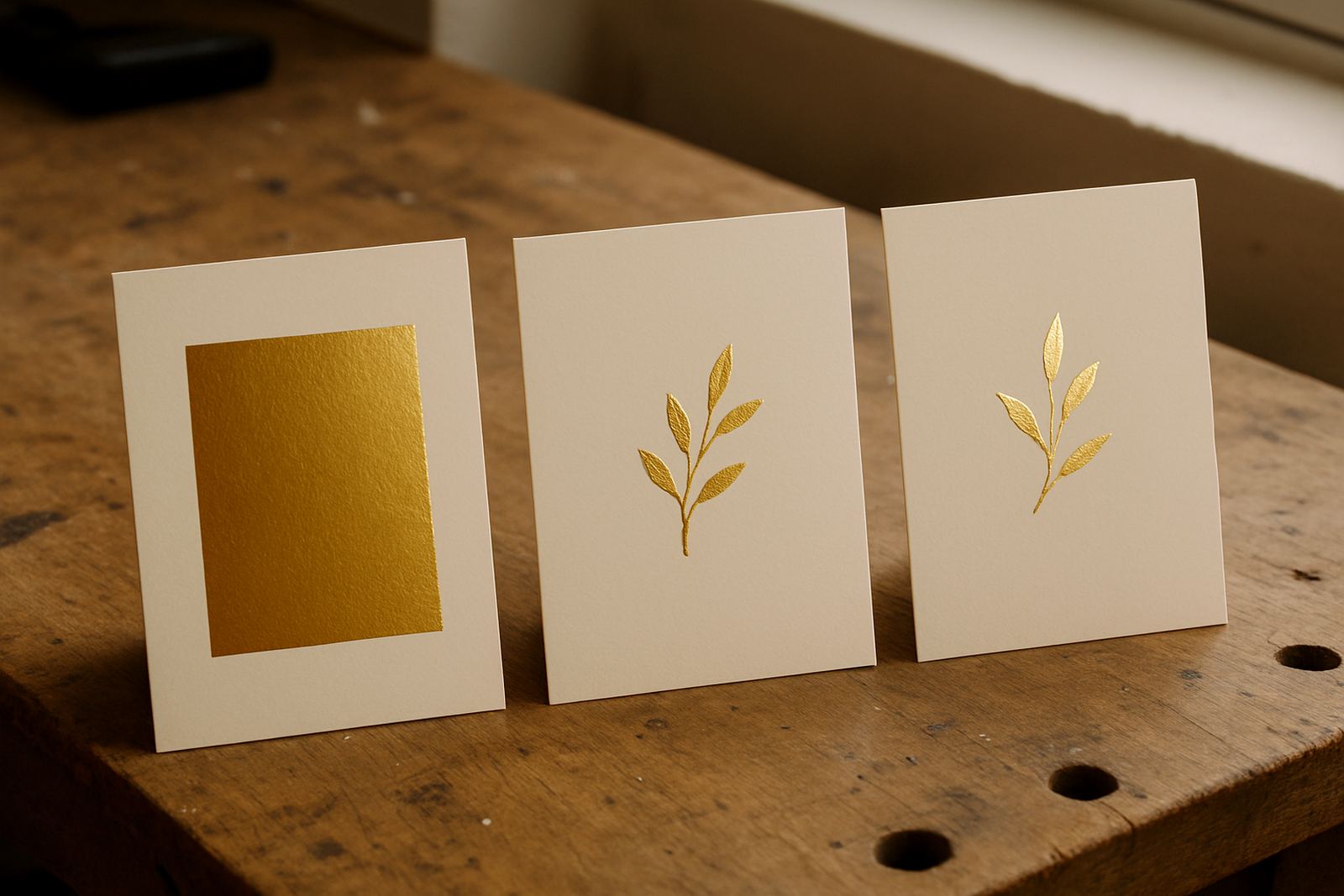
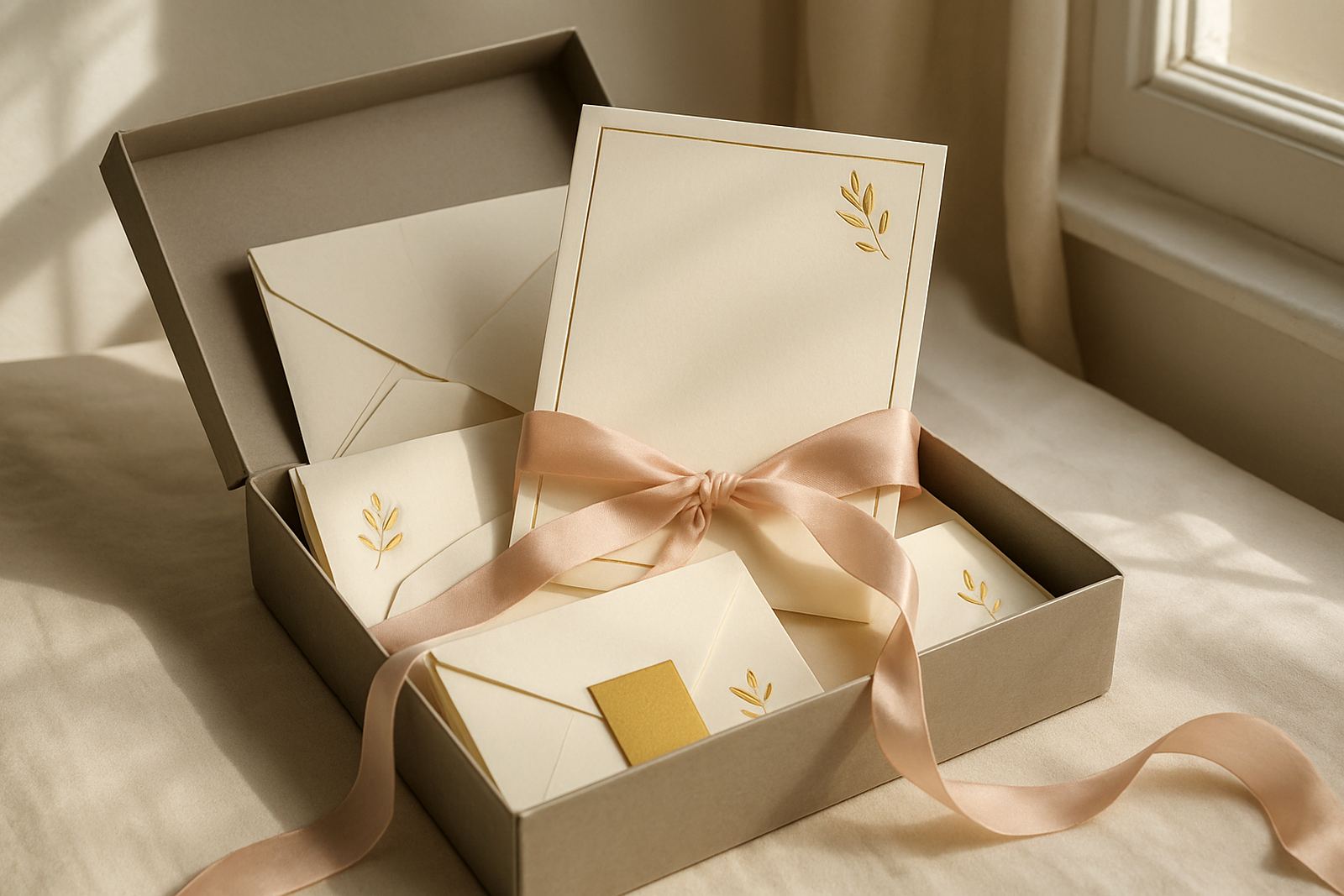
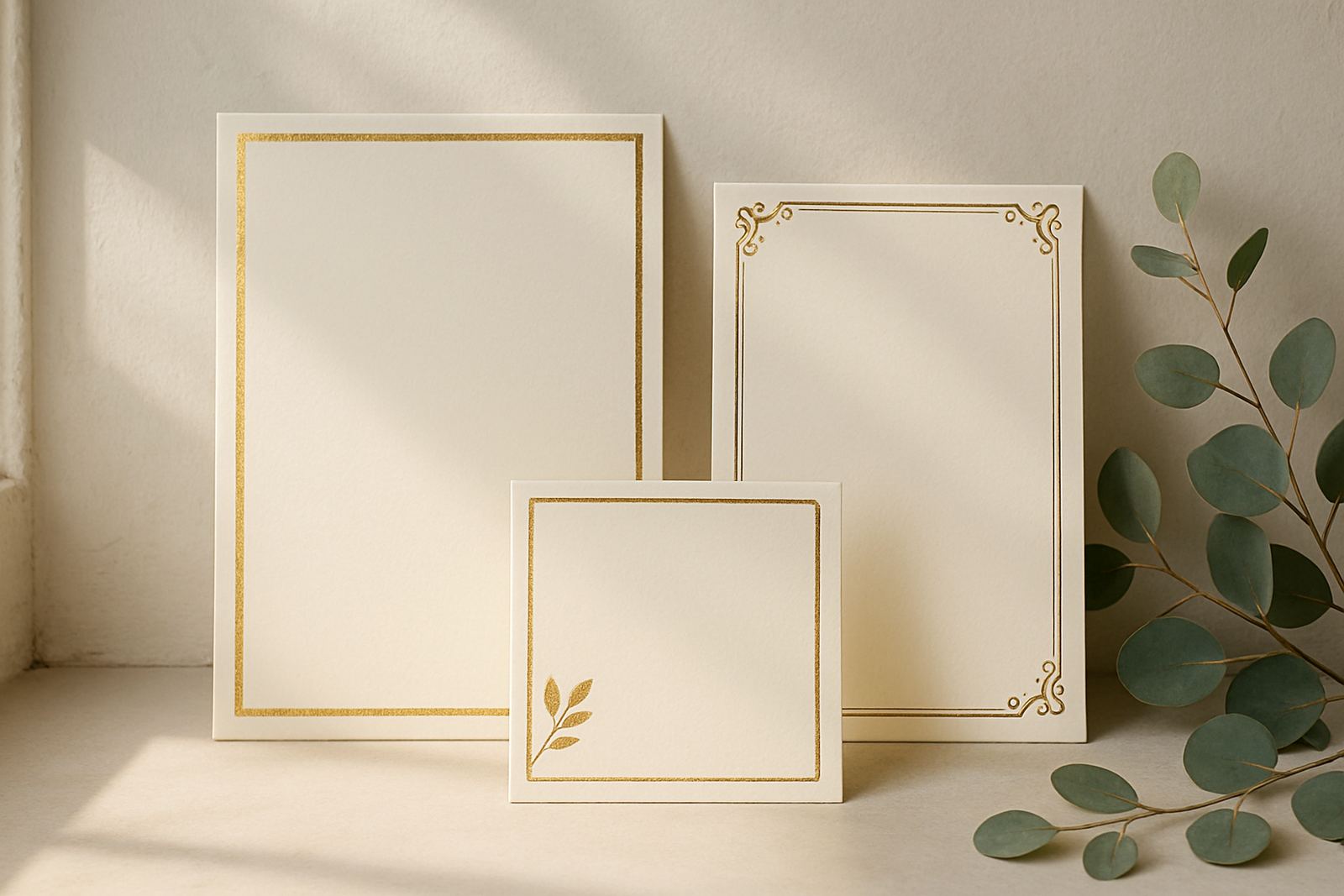
Foil stamping, letterpress, wax seals and careful assembly each add something different. Foil gives shine and contrast. Letterpress creates a pressed feel that can be seen and felt. Wax seals work well for envelopes, ribbon wraps and outer packaging when you want a classic finish that still feels personal. The trick is not to use everything at once but to choose the parts that support the design.
- Use foil for names, monograms or key wording that must stand out.
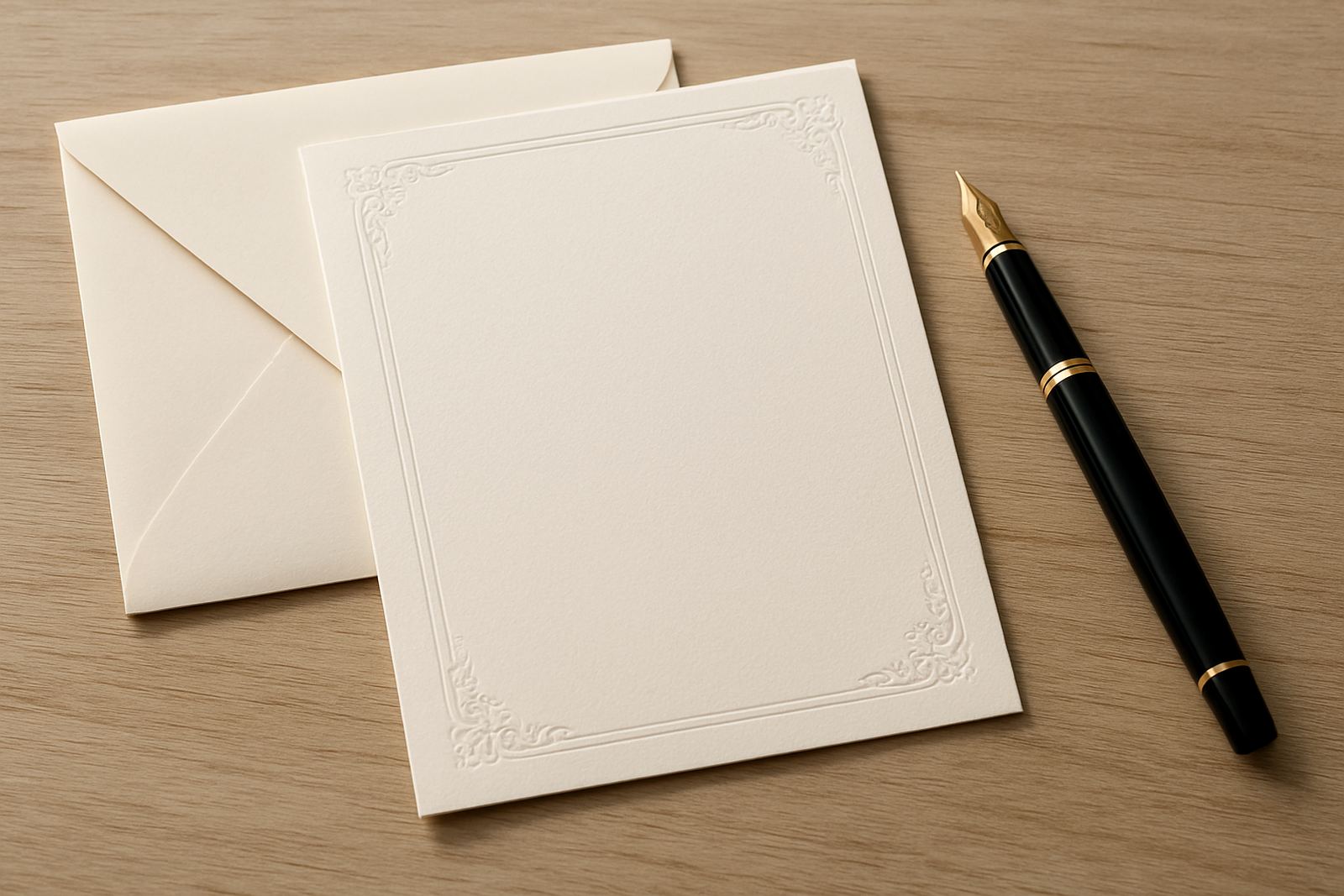
- Use letterpress for tactile invitation cards and keepsake pieces.
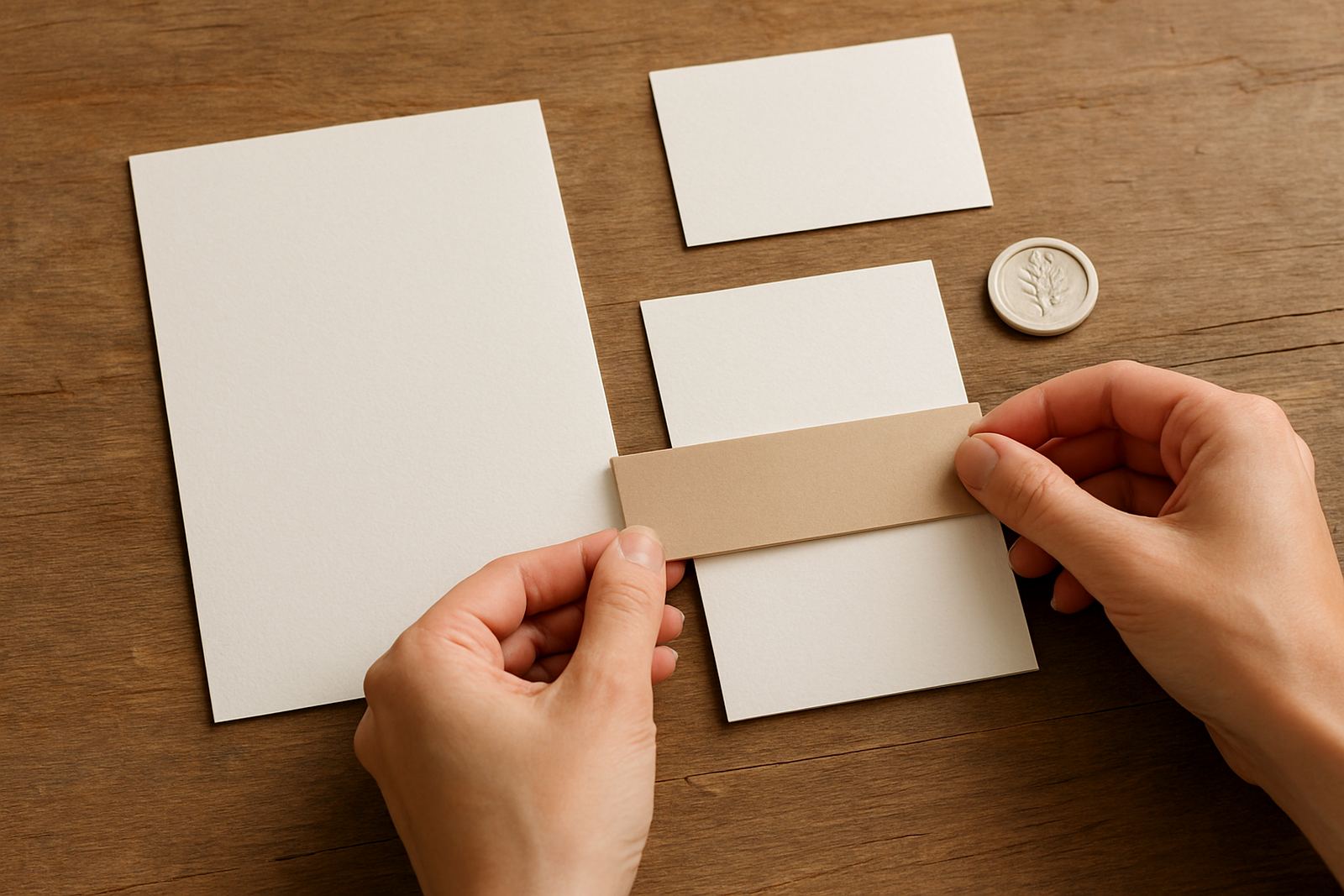
- Use wax seals on envelopes, belly bands or enclosure wraps.
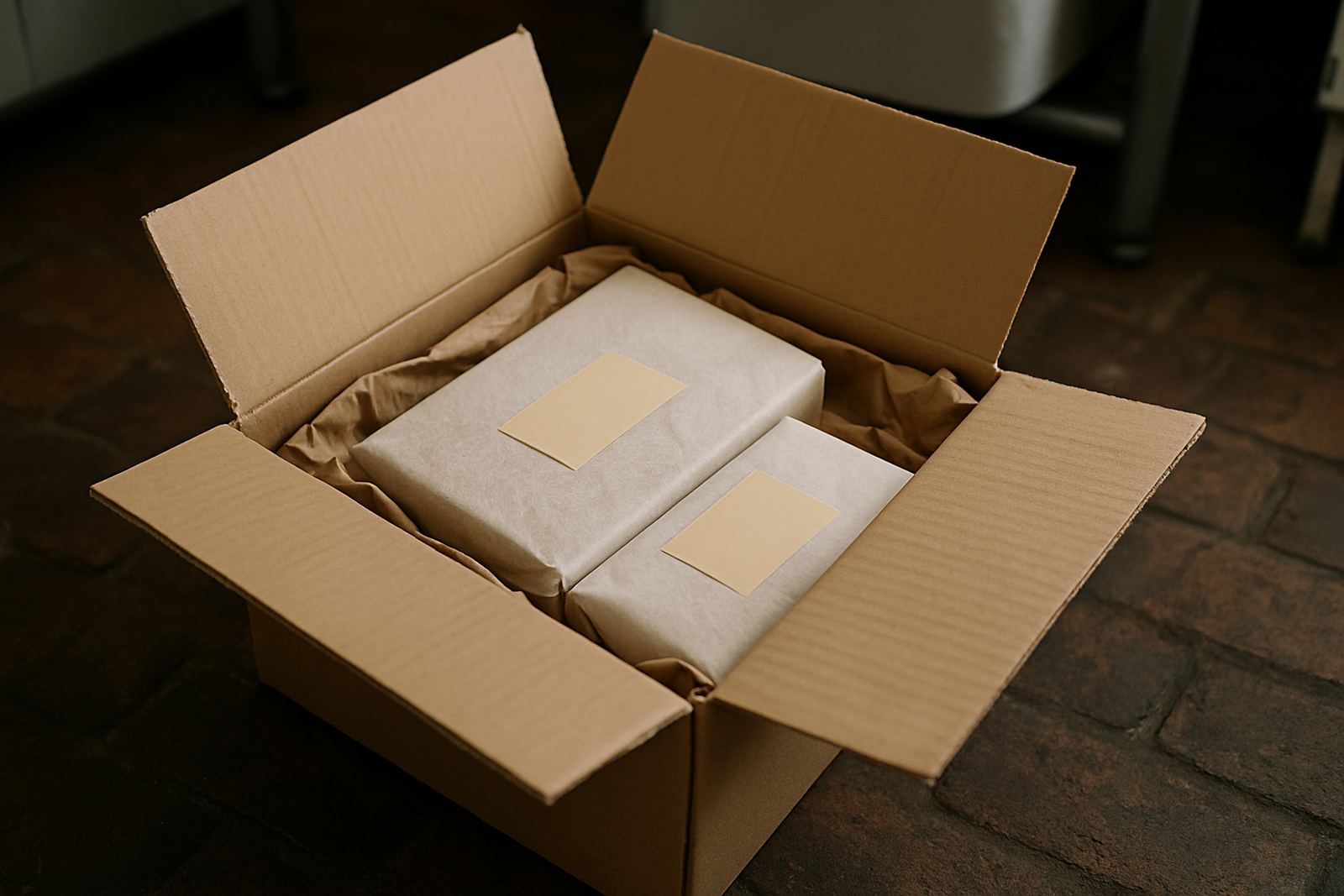
- Use gift packaging when the stationery is being presented in person.
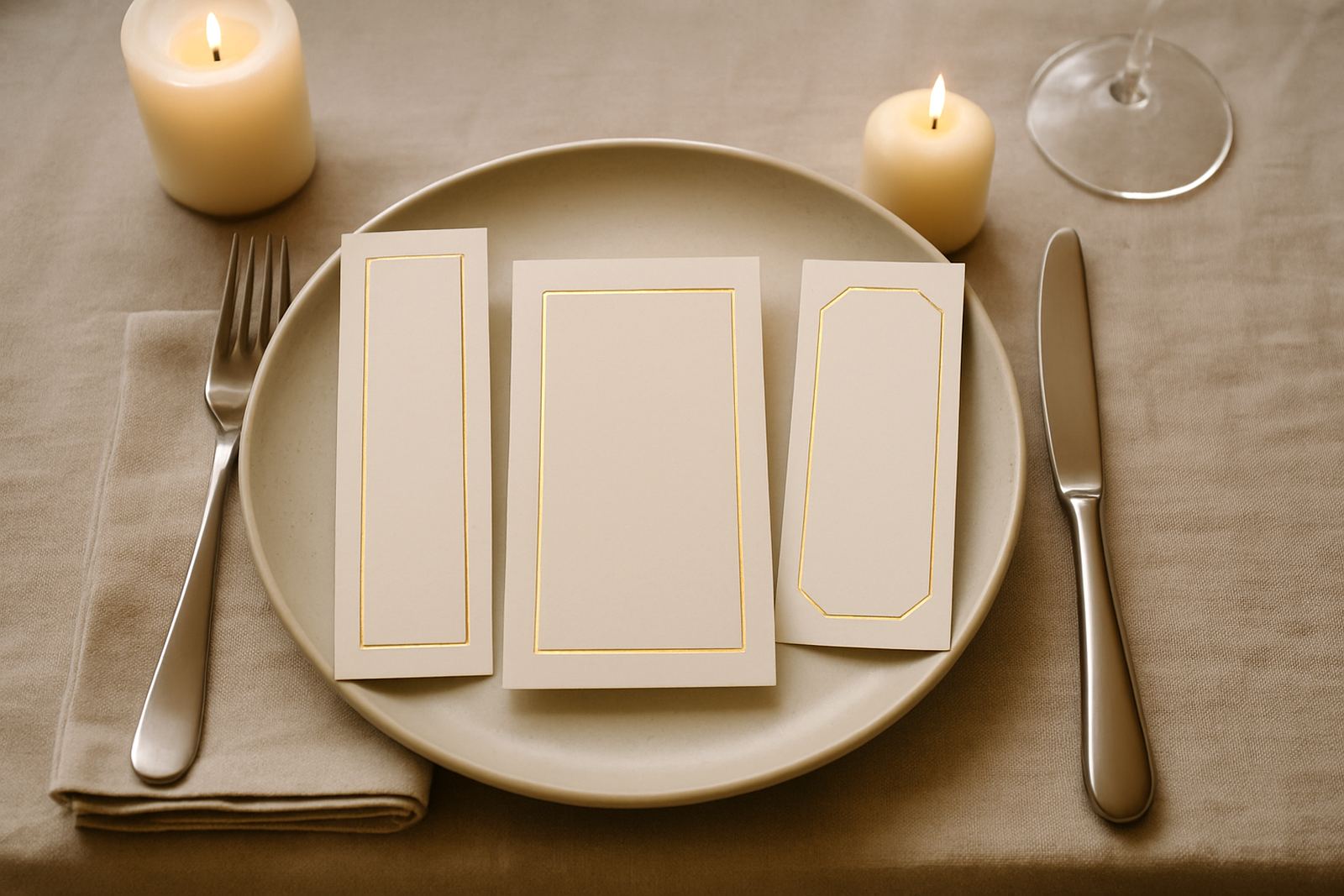
We often remind clients that finishing should suit handling too. Event day stationery needs to be practical, not only pretty, and a menu card or place setting must survive transport, setting up and guest handling without losing its shape.
Wording, etiquette and the small details
The wording on custom stationery carries as much weight as the design. Names, dates, titles and RSVP details should be checked carefully, and the same applies to table names, seating cards and envelope addressing. For weddings, formal wording may suit a traditional ceremony, while a more relaxed celebration can use cleaner, shorter copy. Corporate pieces often need clear hierarchy, so guests can read the important detail at a glance.
One misplaced line break or a missed surname can change the feel of the whole piece, so proofing is worth the time. If you are arranging guest names across multiple families or international attendees, it helps to confirm spelling early and to keep one final approved list. That extra check saves stress later, especially when courier deadlines are tight.
How to plan for colour and seasonal conditions
Colour matching is not only about choosing what looks good on screen. Paper stocks, foil tones and printed elements can all shift slightly under different light, which is why samples matter. In Cape Town and the nearby coastal towns, natural light can make pale shades appear brighter and metallic finishes more reflective. Inland clients often see a slightly different result in the same room, so it pays to view options in the space where the event will take place.
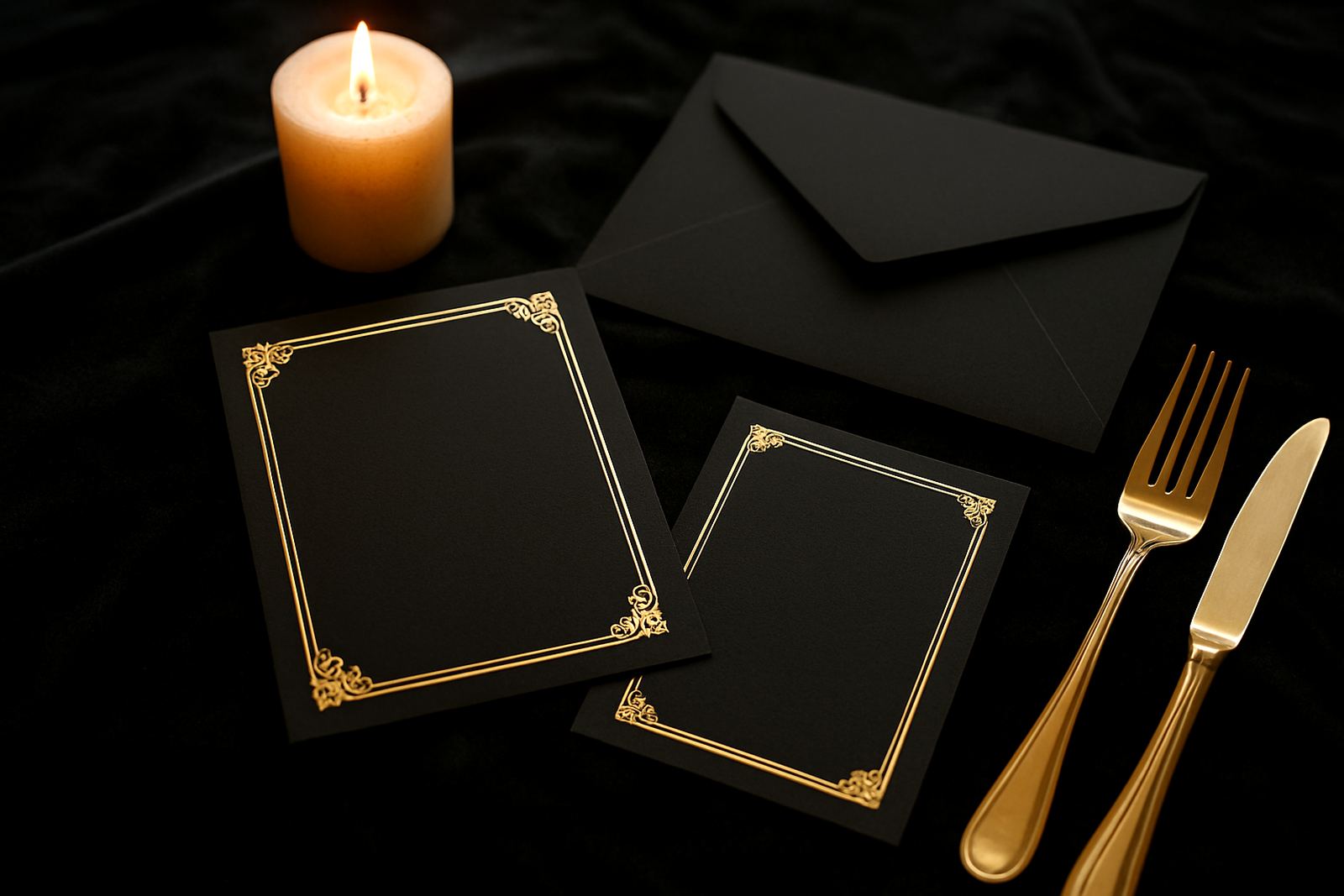
- Choose deep tones for evening events and formal functions.
- Use softer shades for daytime weddings and garden settings.
- Keep envelopes and printed pieces flat and dry before assembly.
- Allow time for proofing if the design includes several colours or special finishes.
Load-shedding can also affect production schedules, so planning ahead helps keep stationery moving through printing, trimming and finishing without delays.
Using the journal to compare ideas before you order
This journal is set up to help you narrow the options before you request a quote or brief. Some clients arrive with a mood in mind but no final wording. Others know the guest count, paper size and finish but are still deciding between a clean modern look and a more decorative suite. Reading through articles on paper types, etiquette and assembly can make those choices much simpler.
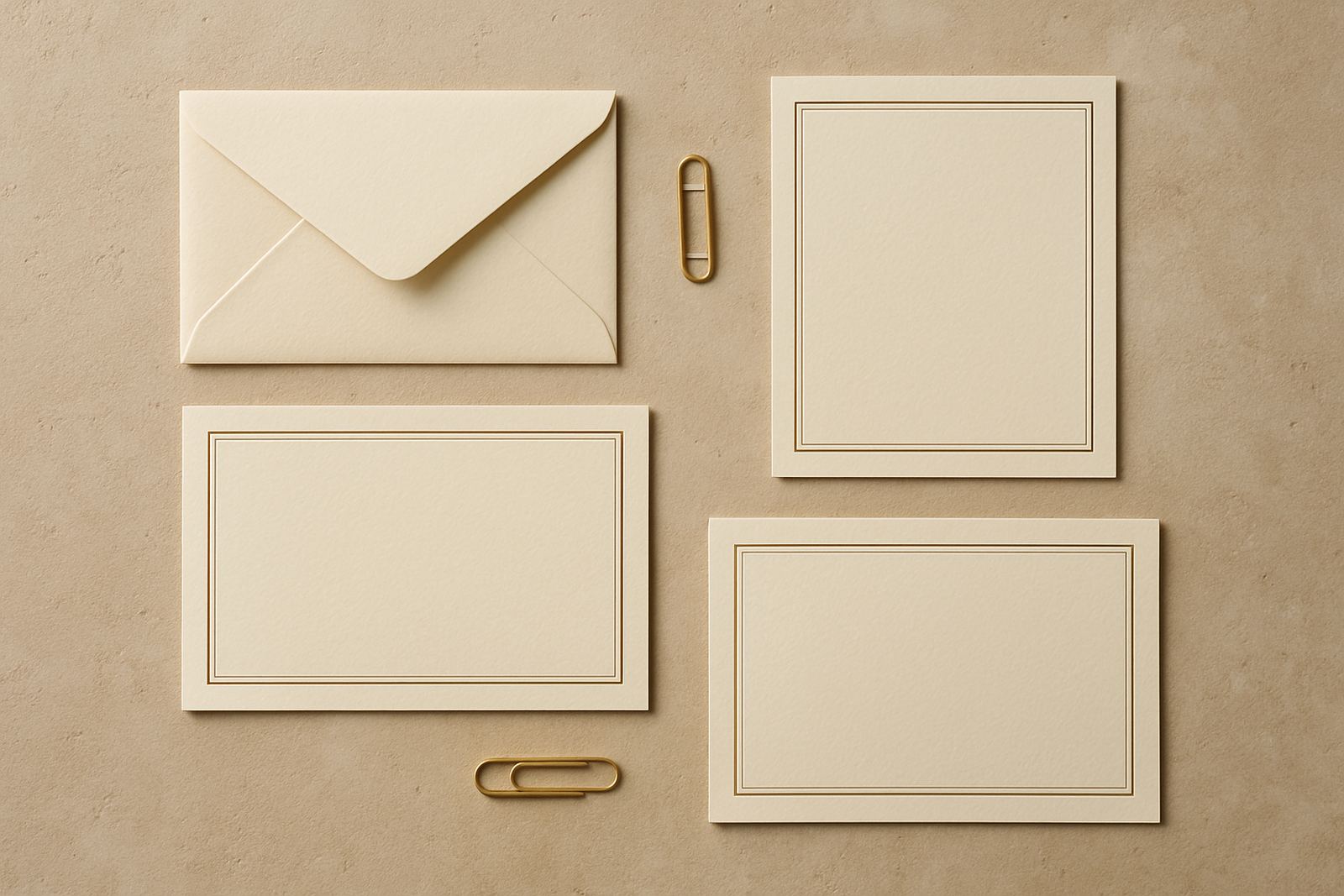
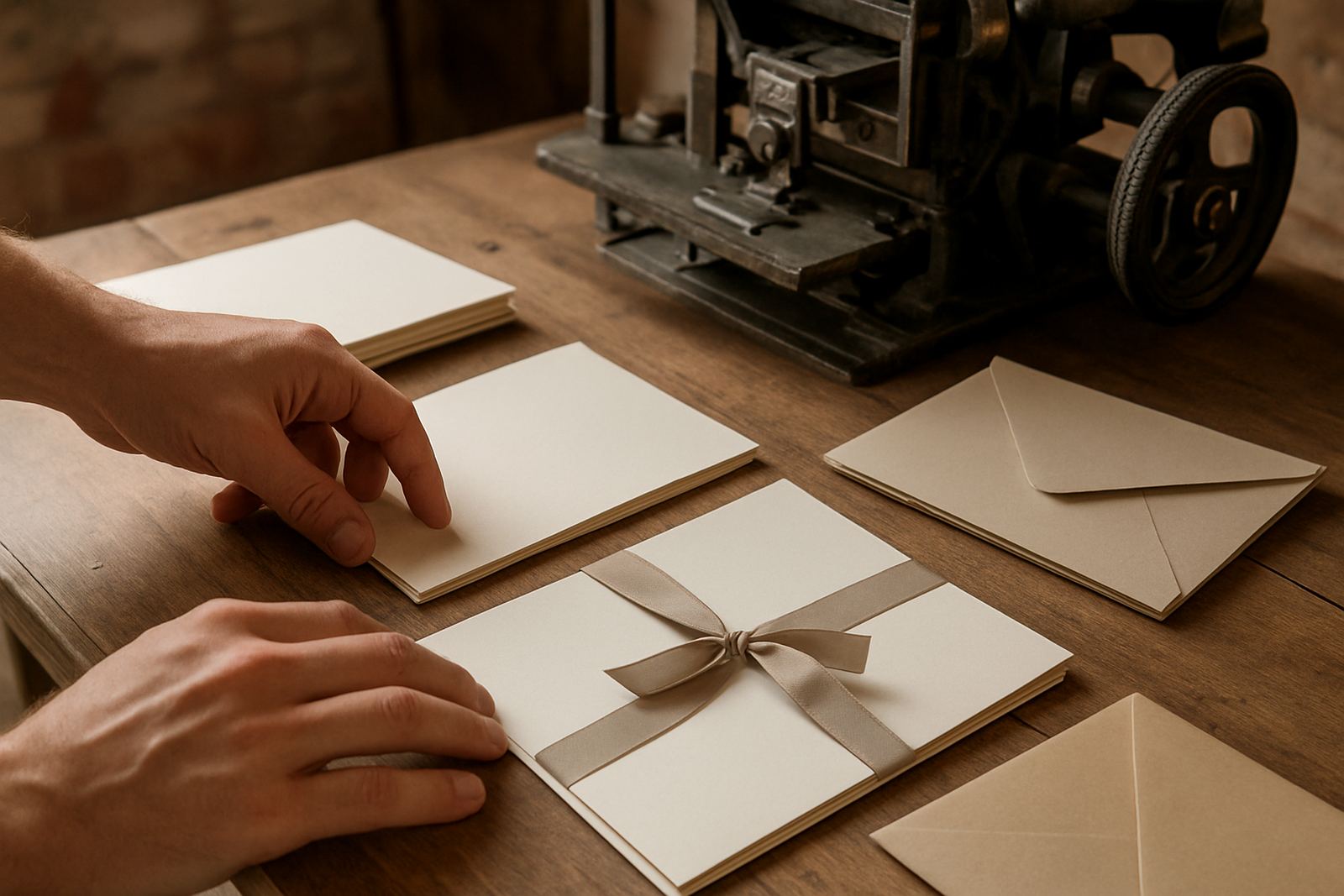
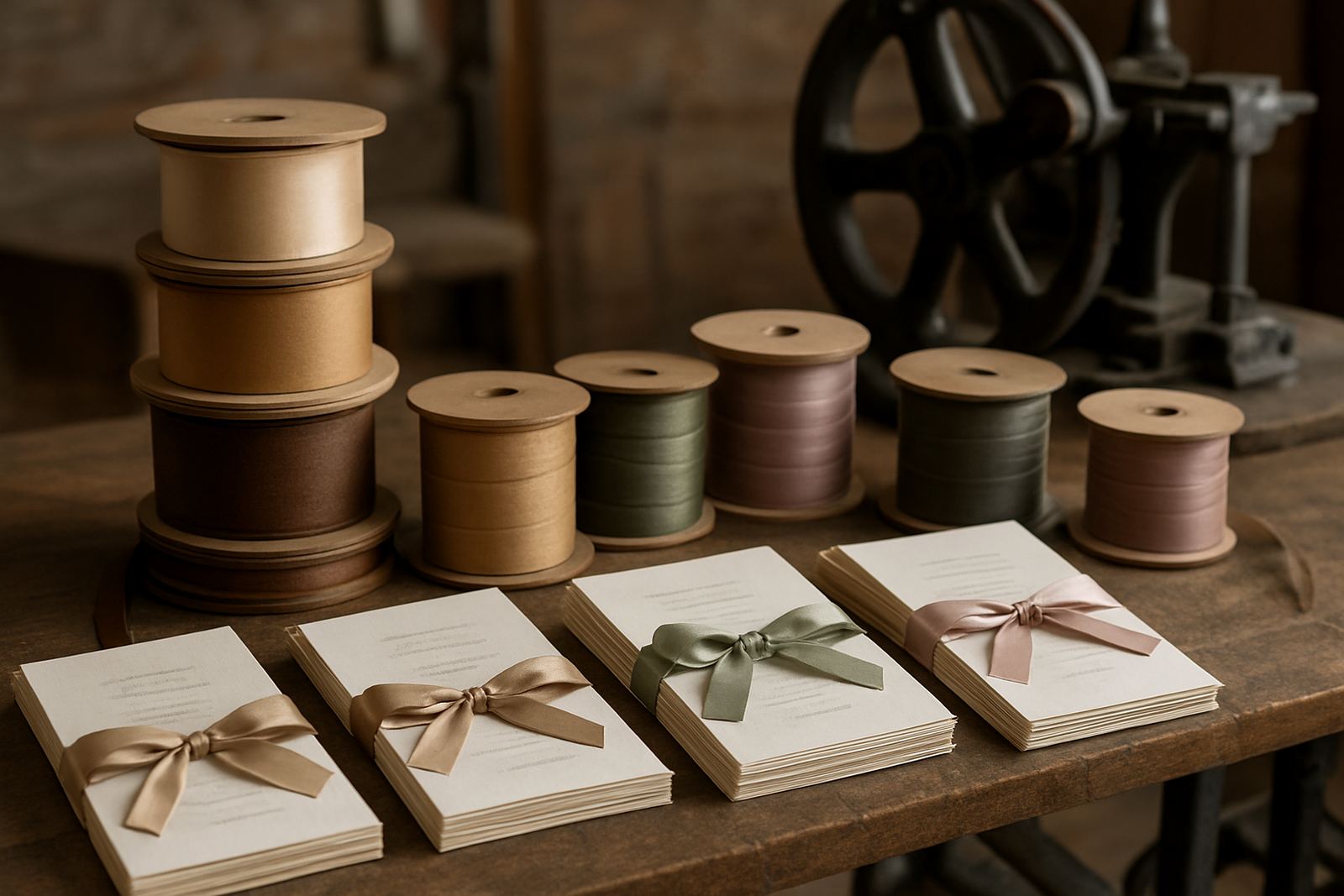
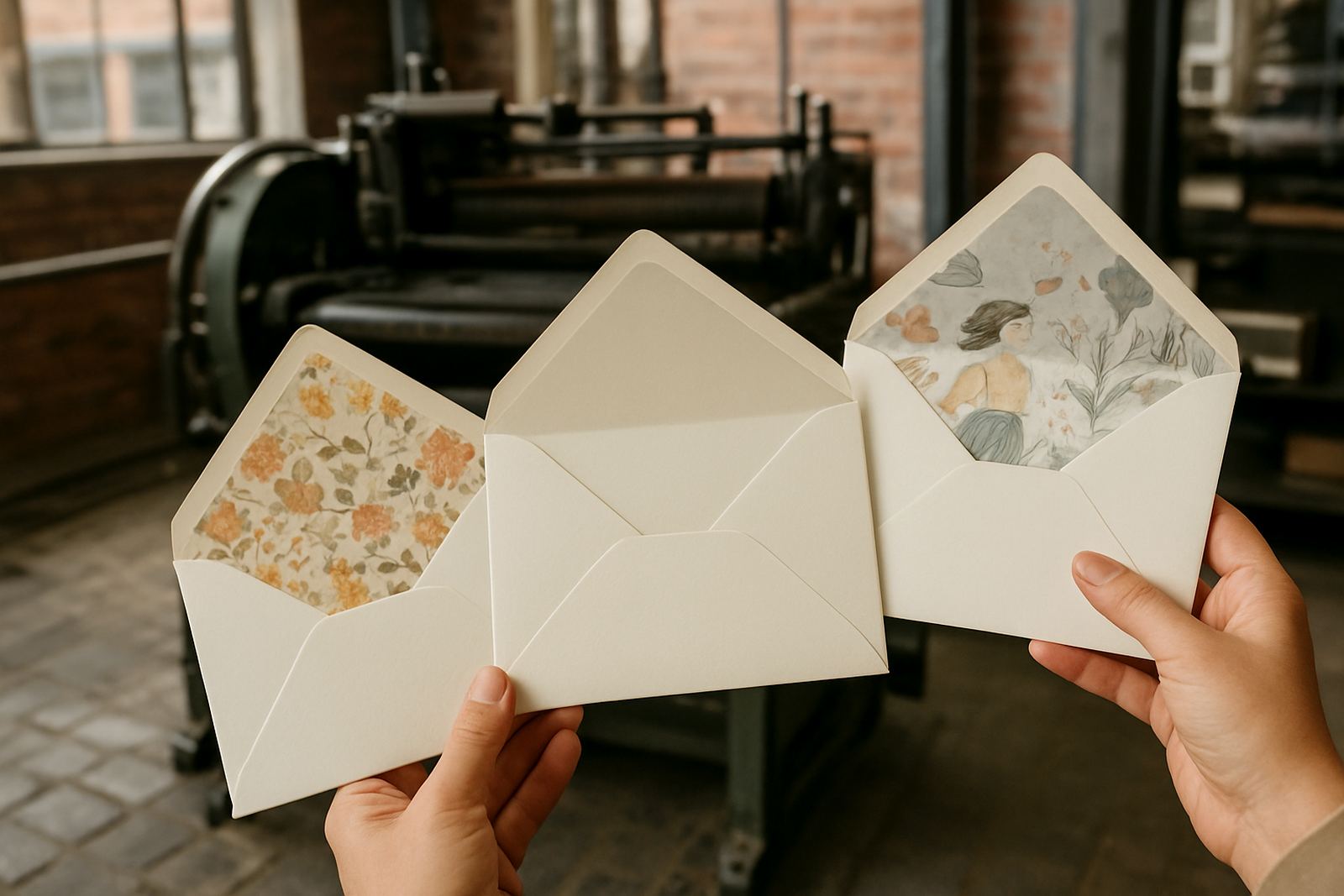
When you compare ideas, look at how each part works together: invitation, RSVP, details card, envelope, ceremony piece, place setting and any gift wrap. If one element feels out of place, the whole suite can lose balance. A clear guide to materials and layout keeps the process practical, especially when courier delivery needs to reach Johannesburg, Durban or smaller towns with one shipment.
Practical stationery ideas for weddings, events and gifting
Custom paper goods are most effective when they solve a real need. Wedding invitations may need accommodation details and map inserts. Event day stationery may need table numbers, menus and name cards that are easy for venue staff to place. Gift packaging may need labels, tags or enclosure cards that keep the presentation consistent. Each item adds order and helps guests move through the event with less confusion.
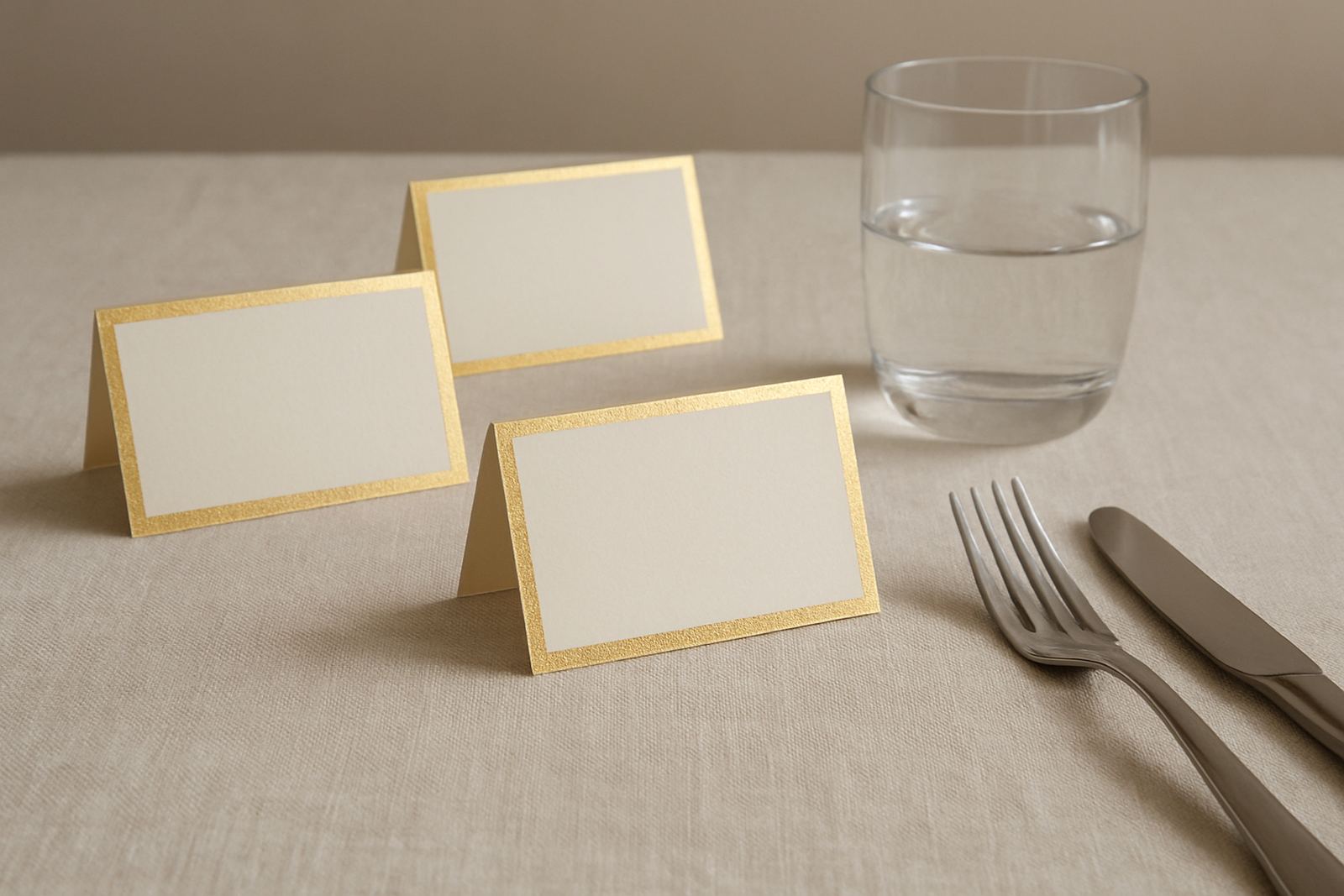
- Weddings: invitations, RSVP cards, ceremony booklets and place cards.
- Corporate events: save-the-date notices, seating cards and branded inserts.
- Private functions: menus, thank-you cards and coordinated gift wrap.
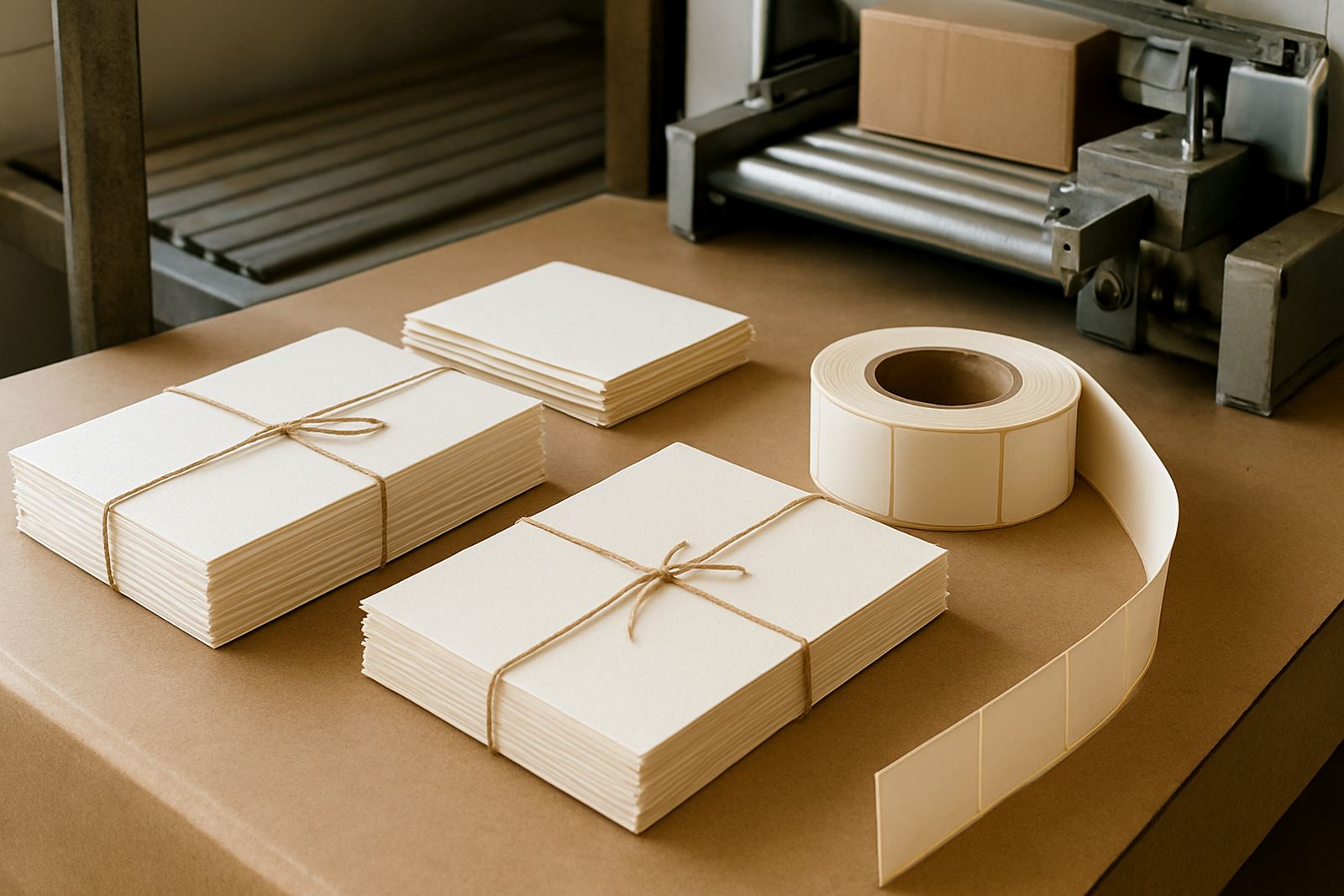
- Delivery orders: flat-packed suites assembled for safe nationwide couriering.
For clients in Woodstock, the Southern Suburbs, the Atlantic Seaboard, the Northern Suburbs and nearby wine regions, it helps to think about how the stationery will be handled from studio to venue. That practical view is what makes a paper journal useful, not just inspiring.