Why modern wording feels right for today’s invitations
Modern wording is not about sounding casual for the sake of it. It is about choosing language that feels natural, easy to read and suited to the occasion. For weddings, birthdays, launches and private dinners, this style lets the design carry some of the formality while the wording stays light and direct.
In Cape Town, we often see clients wanting an invitation that suits a venue in Woodstock, a garden celebration in the Southern Suburbs, or a cellar reception near Stellenbosch. The event may be elegant, but the words do not need to sound old-fashioned. A short, thoughtful invitation line can do more than a page full of formal phrases.
The best modern wording gives guests the useful details first, then adds personality where it matters. That means naming the hosts clearly, keeping the event purpose simple, and using warm wording for the tone. It also leaves more room for good typography, clean spacing and finishes such as foil stamping or letterpress.
Keep the message clear before you make it stylish
Before you think about wording style, decide what the guest must know at a glance. The date, time, venue, dress code and RSVP method should be easy to find. If the wording is too decorative, guests may miss practical details and have to ask follow-up questions.
A modern invitation can still feel refined. The difference is that it avoids overlong formal sentences and keeps the message moving. We usually suggest reading the draft out loud. If it sounds natural when spoken, it will usually read well too.
- Use plain names for the hosts or couple
- State the event clearly: wedding, celebration, launch or anniversary
- Keep the RSVP instructions short and specific
- Put dress code wording in one simple line
- Leave room for the venue and map details if needed
This approach is especially useful when you are printing for guests across South Africa. A clear layout reduces confusion for out of town guests and helps when the invitation is couriered with inserts, envelopes and suite pieces.
Wording ideas that sound polished, not stiff
Modern phrasing can still be gracious. The trick is to use language that feels measured and personal rather than overly ceremonial. Instead of long formal wording, choose concise phrases that hold their own on a beautifully finished card.
For a wedding, you might use a line like: We would love you to join us as we celebrate our marriage. For a dinner or milestone birthday, something like: Please join us for an evening of good company, food and celebration works well. These lines are warm without becoming too chatty.
Some clients prefer wording that reflects a relaxed gathering, especially for events in venues around the Atlantic Seaboard or Somerset West. In that case, the invitation can feel more conversational while still looking polished. The aim is to match the words to the setting, not force the event into a formal template.
- Warm and simple: “Join us for a celebration of love and family”
- Clean and direct: “You are invited to celebrate with us”
- Personal and calm: “We look forward to sharing this special day with you”
- Contemporary and brief: “Save the date for an unforgettable evening”
These lines work well on luxury stationery because the print finishes do part of the visual work. Foil, embossing and careful paper choice can carry elegance while the text stays easy to read.
Match the wording to the design and finish
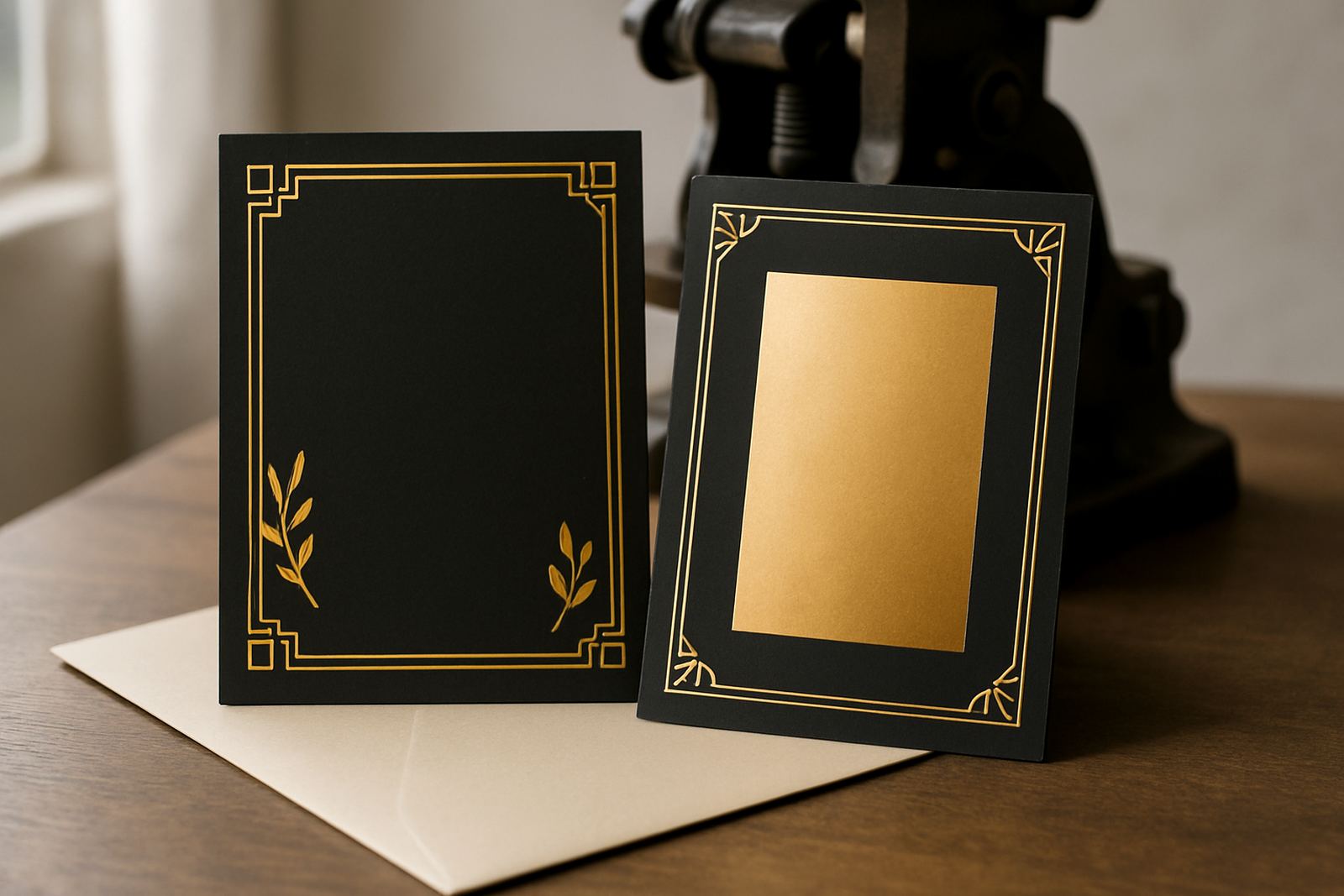
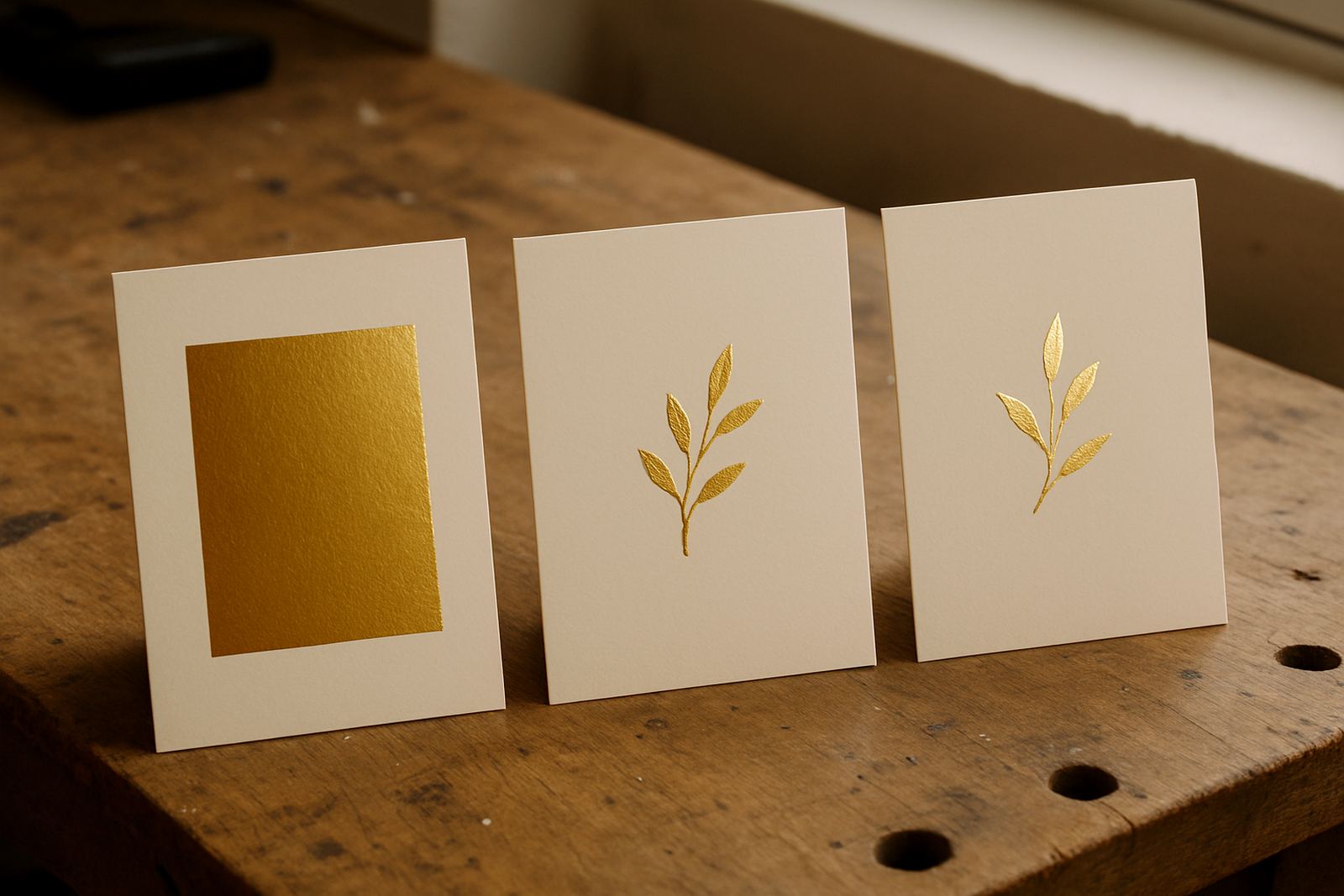
Modern wording should suit the rest of the suite. If the card has a crisp layout and a metallic foil detail, the wording can be short and elegant. If the design uses soft colour, textured paper or wax seal finishing, you may want slightly more warmth in the text.
At our Woodstock base, many projects start with the paper and finish decisions first. That is practical, because the look of the paper influences how much text fits comfortably. A heavyweight card can handle more spacing, while a folded insert may need tighter copy. Paper sourcing also matters when the invitation is travelling to coastal areas, where humidity can affect certain stocks if they are not handled well.
For events in Cape Town and the wider Western Cape, we also think about how the suite will be assembled and delivered. Envelopes, RSVP cards, directions and gift note cards all need to sit together neatly. If the wording is too long, the set can feel crowded and the elegance gets lost.
A useful rule is this: let the words sound relaxed, while the physical details stay precise. That means good proofing, careful colour matching and a clean final assembly. It is a simple formula but it keeps the invitation looking considered from first page to final seal.
Modern wording for local events and guest expectations
South African guests are used to invitations that need to work across provinces, travel distances and different event styles. That is why modern wording has become popular. It is easy to understand, and it works whether the invitation is going to clients in Paarl, families in the Northern Suburbs, or guests receiving couriered stationery nationwide.
For a wedding in Stellenbosch, a line about the ceremony and celebration can stay elegant without sounding formal or old. For a corporate dinner in Cape Town, the wording may be even cleaner, with a direct invitation and a short note about RSVP and seating. For a private event, the message can be friendly and specific, with just enough personality to feel special.
- Use local place names only where they help guests orient themselves
- Keep transport or parking notes brief and practical
- Include any timing details that matter for coastal traffic or venue access
- Avoid wording that sounds overfamiliar if the event is formal
Modern wording also helps when the invitation suite includes event day stationery, menu cards or small gift packaging. The same tone can run through all the pieces, so the guest experience feels consistent from the first card to the final thank you note.
A local example that shows the style well
Picture a summer wedding hosted near Woodstock, with guests arriving from the Atlantic Seaboard, the Southern Suburbs and further out in the Winelands. The couple wants something elegant but not fussy. The wording can say exactly what is needed: who is hosting, what is being celebrated, where and when it happens, and how to RSVP. No extra formal language is needed.
That invitation may use a soft cream stock with fine foil details, followed by a simple information card and addressing on the envelopes. The suite feels refined because every part is deliberate, not because the wording is long. If the couple wants a modern tone, the final line can be short and warm, such as We cannot wait to celebrate with you.
This is where experienced production matters. The design team, foil stamping, finishing and courier coordination all need to work together so the wording sits comfortably on the page and arrives in good order. When a suite is planned carefully, modern wording does exactly what it should: it sounds current, welcomes the guest and leaves a lasting impression.
How to know if your wording is working
Read the draft as though you are the guest. Can you tell immediately what the event is, where it is happening and what you need to do next? If not, trim the wording. Modern phrasing should make the invitation easier to use, not harder. A good draft has enough personality to feel special, but enough structure to guide people without confusion.
It also helps to compare your wording with the paper and finish. If the card is detailed, the text can be shorter. If the design is very minimal, the wording can carry a little more warmth. Either way, the aim is the same: an invitation that feels calm, current and properly made.
That balance is what many clients want for modern weddings and milestone events. Not overdone, not cold, just well judged. When the wording, materials and finishing all support each other, the result feels polished without trying too hard.