
Why wax seals work best as an accent, not the main event
A wax seal brings weight and texture to a suite in a way foil alone cannot. It gives the first touch point a sense of ceremony, which is why it works so well on wedding invitations, RSVP cards and envelope closures.
The mistake is to repeat it on every single item. Once a wax seal shows up on the invitation, the detail card, the menu and the place card, the suite can start to feel crowded. The cleanest result is usually one strong seal per set, then smaller supporting details elsewhere.
For couples planning from Cape Town or further afield, this matters even more because couriered stationery has to travel well. A design with too many raised elements can shift in transit, while a restrained layout stays neat and easier to pack.
Choosing the right size and shape for the suite
Wax seals should sit comfortably beside the paper size you have chosen. A large, heavy seal can overpower an A6 card, while a tiny seal may look lost on a folded invitation or thicker envelope.
As a general guide, the seal should relate to the broadest element on the page. If the invitation has wide margins and generous wording, a slightly larger seal can feel balanced. If the suite is slim and formal, a smaller seal keeps the look crisp.
- Small seals suit RSVP cards, belly bands and favour tags.
- Mid-size seals work well on envelope flaps and invitation wraps.
- Large seals are best reserved for statement pieces with plenty of white space.
In humid coastal areas like the Atlantic Seaboard, the finish also needs a practical eye. A seal that is too thick can pick up marks if it is packed before fully set, so timing and handling matter as much as the design.
Colour choices that let the seal support the invitation
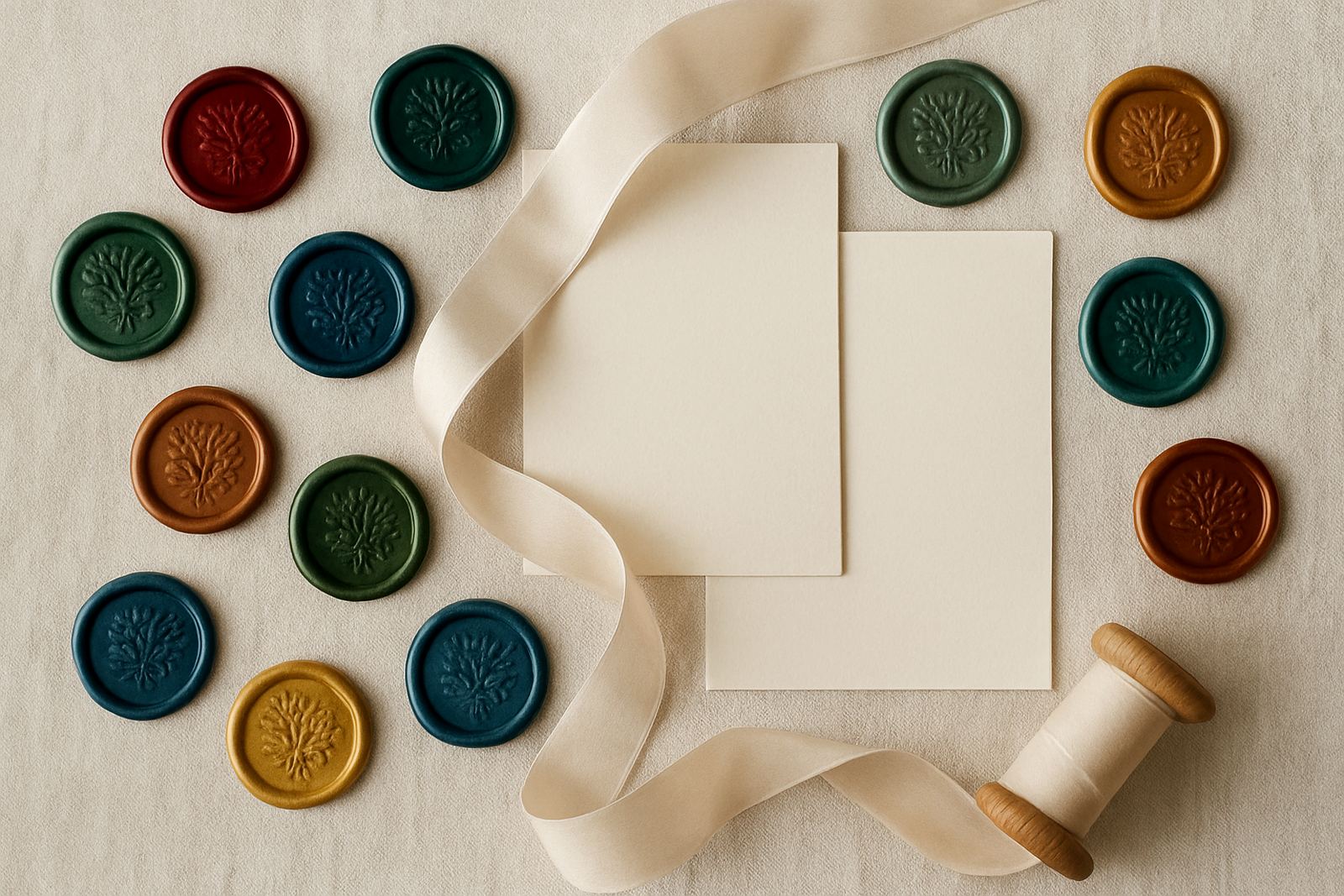
Colour is where many wax seal ideas either succeed or become too much. Deep burgundy, ivory, sage, charcoal and muted gold tones are popular because they sit quietly beside foil, ribbon and paper grain.
The safest approach is to pick one seal colour that echoes a secondary detail in the suite, not the main background colour. If the invitation uses soft blush text, for example, a warm ivory or dusty rose seal can complement it without repeating the exact shade.
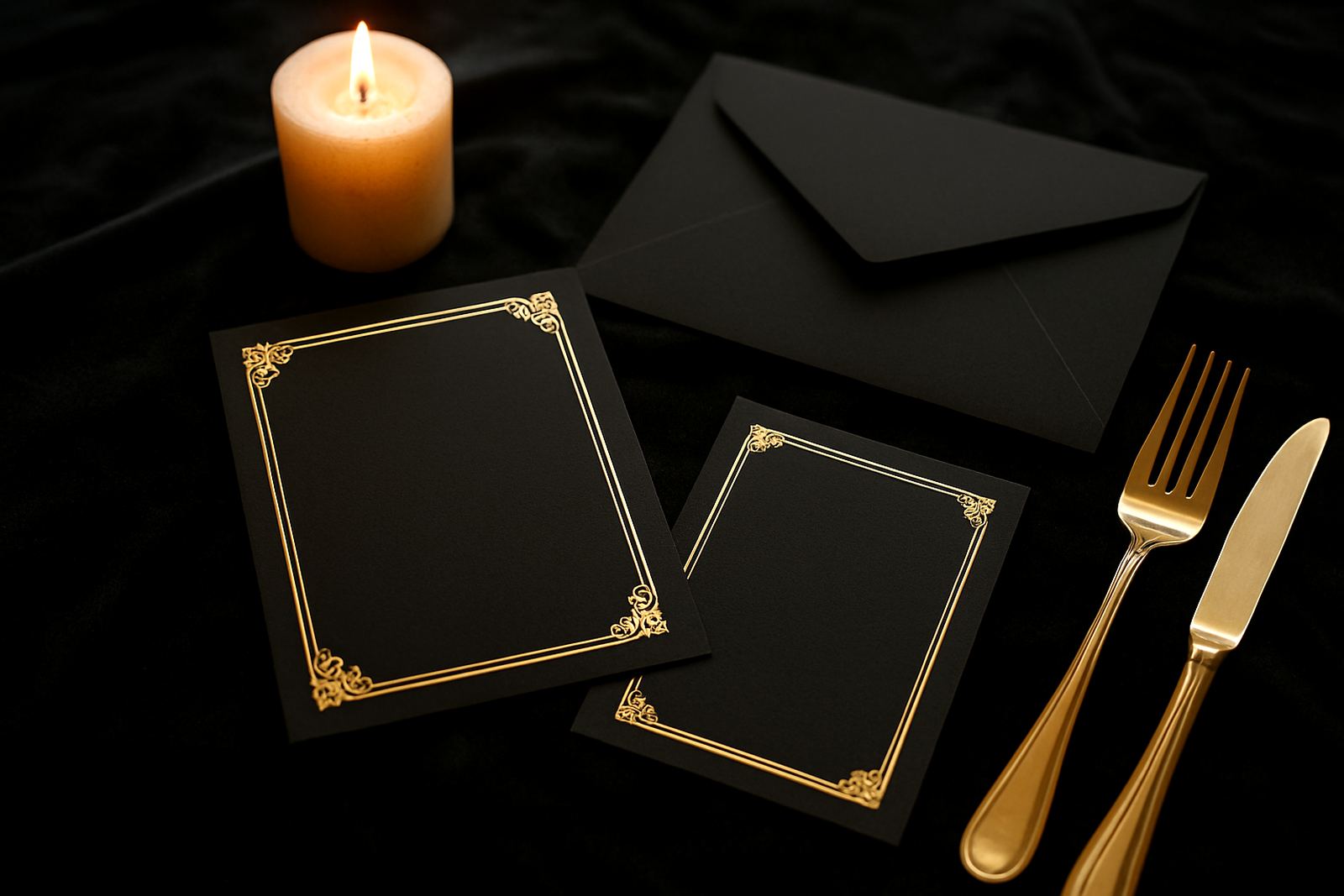
Metallic wax can be effective, but it needs restraint. On a suite that already includes foil stamping, another reflective surface can make the design feel busy. One metallic element is often enough, especially when the paper has a natural texture.
- Match the seal to ribbon, envelope lining or envelope addressing ink.
- Keep very bright colours for modern, playful stationery only.
- Use matte seals when the invitation already includes foil or letterpress.
Where to place wax seals so they frame, not block, the wording
Placement is probably the most important part of wax seal styling. A seal should feel like a finishing touch, not a sticker covering the structure of the page.
On invitations, the most elegant positions are the envelope flap, a belly band closure or a wrap that keeps the suite together. On a folded card, the seal can sit at the point where the card opens, giving the guest a small moment of reveal.
Try not to place seals over key text, monograms or venue details. If the seal lands too close to the wording, the eye has to work harder and the invitation loses its clean line. A little negative space goes a long way.
For outdoor weddings in Stellenbosch or Paarl, this is especially useful because natural light shows every layer clearly. A tidy seal placement keeps the suite looking intentional, not crowded.
Pairing wax seals with foil, letterpress and envelopes
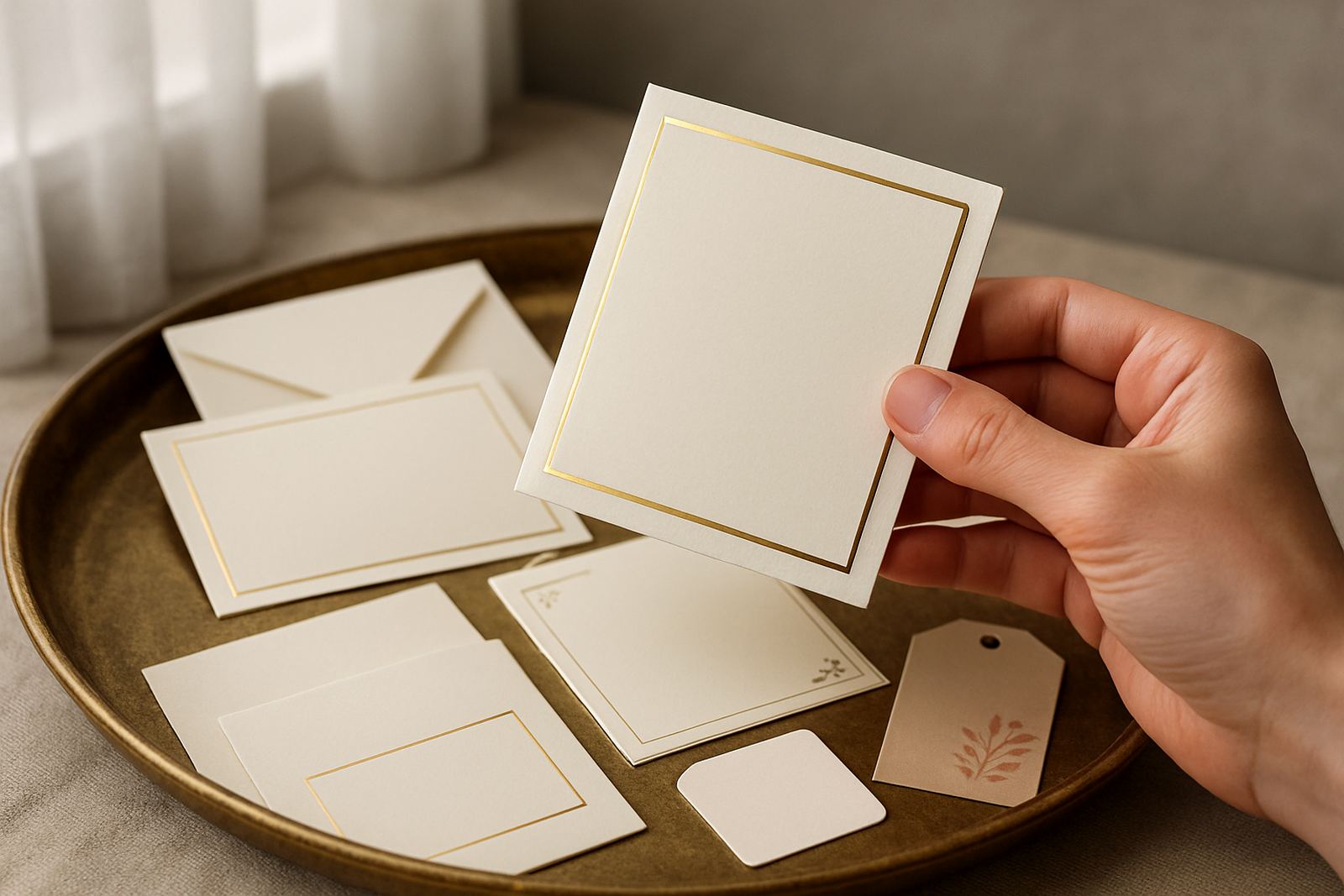
Wax seals work best when they support the rest of the stationery rather than compete with it. Foil stamping gives shine, letterpress gives depth, and wax gives hand-finished character. Together they can be beautiful, but each needs room.
A good rule is to let one feature lead. If the suite has strong foil work, keep the seal subtle. If the invitation is mostly printed in soft neutrals, the seal can carry a little more presence. This balance keeps the stationery looking considered instead of overdone.
Envelope colour also plays a role. Kraft, ivory, soft grey and muted green envelopes can all carry seals well, but the seal should be visible against the envelope flap. If it disappears into the paper colour, it will feel less like a feature and more like an afterthought.
- Use seals to close envelope liners or wraps, not every insert.
- Let foil stay on the invitation text, and keep the seal to the outer layer.
- Test the combined weight before final assembly, especially for couriered sets.
A practical Cape Town example for a coastal wedding suite
Imagine a Woodstock studio order for a summer wedding at a Cape Town venue with guests travelling in from the Southern Suburbs and the Northern Suburbs. The couple wants something formal, but not overly decorated.
A balanced solution might be an ivory invitation with light foil text, an envelope in warm grey, and a single wax seal on the flap in muted sage. The RSVP card could stay plain apart from matching envelope addressing, while the details card carries only one small motif. That gives the suite unity without repetition.
For a December wedding, courier timing matters as much as style. Wax seals need enough setting time, and in humid weather they should be packed carefully so they arrive neat. It’s the sort of detail that looks simple on the day, but takes proper planning beforehand.
That is where good stationery planning pays off. A wax seal should look like the natural last step, not a heavy decoration added at the end. When the balance is right, the suite feels polished and personal, with just enough detail to be memorable.