
Start With the Dress Code, Then Build the Paper
Black tie stationery works best when the invitation respects the formality of the event. That does not mean everything must be black and white, but it does mean the wording, layout and finish should feel disciplined. For evening events in Cape Town, especially winter weddings and year end functions, clients often choose deeper tones, metallic detail and clean spacing rather than busy artwork.
A strong black tie suite usually begins with a clear hierarchy. The main invitation should state the event, date, venue and dress code without clutter. If the celebration is at a hotel in the City Bowl, a private estate in Stellenbosch or a coastal venue in the Southern Suburbs, the stationery should match that level of formality. Guests should know at a glance that this is an event where the small details matter, and where timing, seating and presentation are handled with care.
For many hosts, the goal is not to impress for the sake of it, but to show restraint. A well spaced layout on quality stock often feels more expensive than overdone decoration. That is the quiet part of black tie style, and it works very well for formal evenings.
Choose Finishes That Catch Light, Not Attention
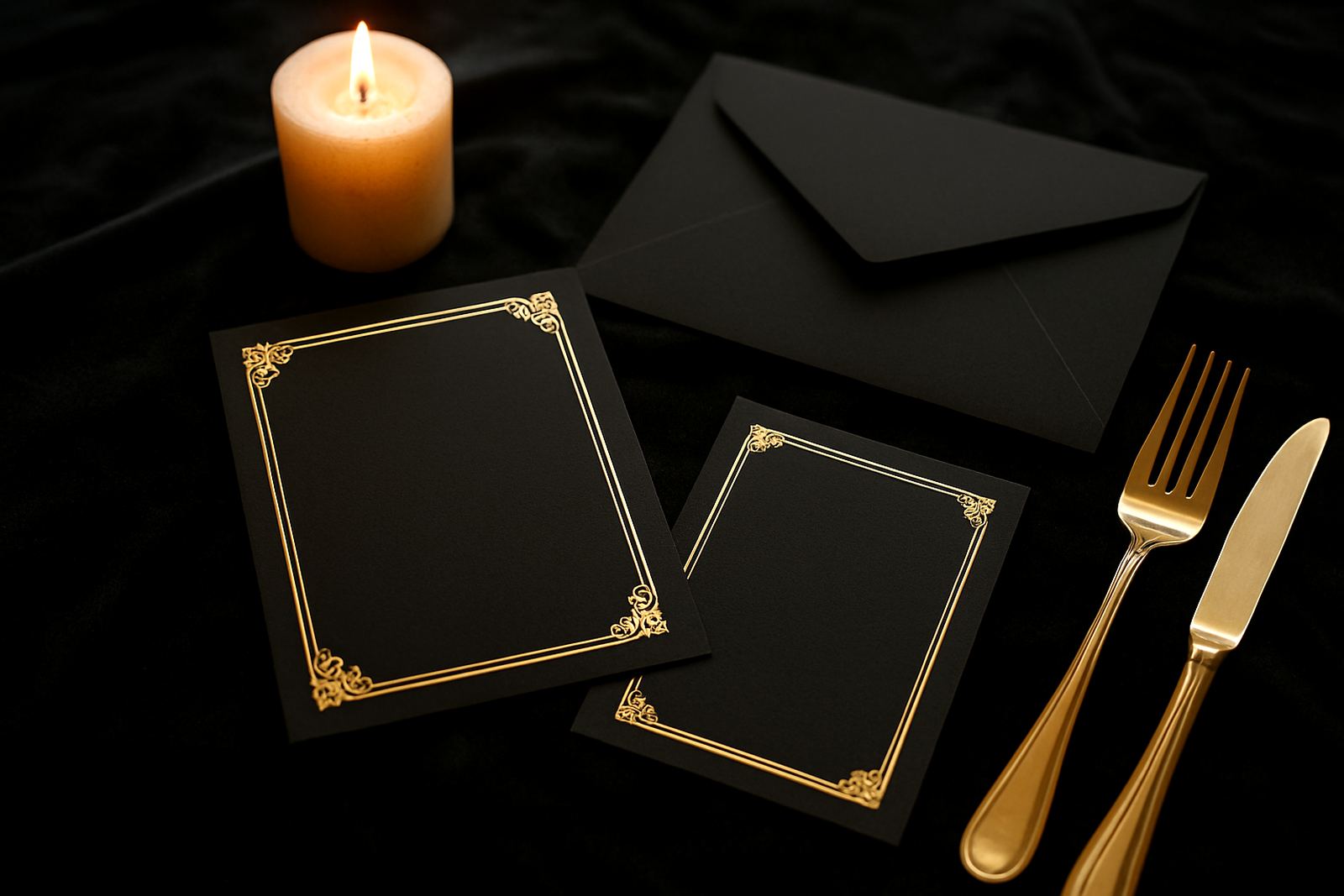
Foil stamping is a natural fit for black tie stationery because it reflects light in a controlled, elegant way. Gold, silver, champagne and soft copper are common choices, but the best result depends on the paper colour and the venue mood. A deep navy or charcoal card with warm foil can feel very classic, while ivory with fine metallic detail can suit a softer reception in a private dining room.
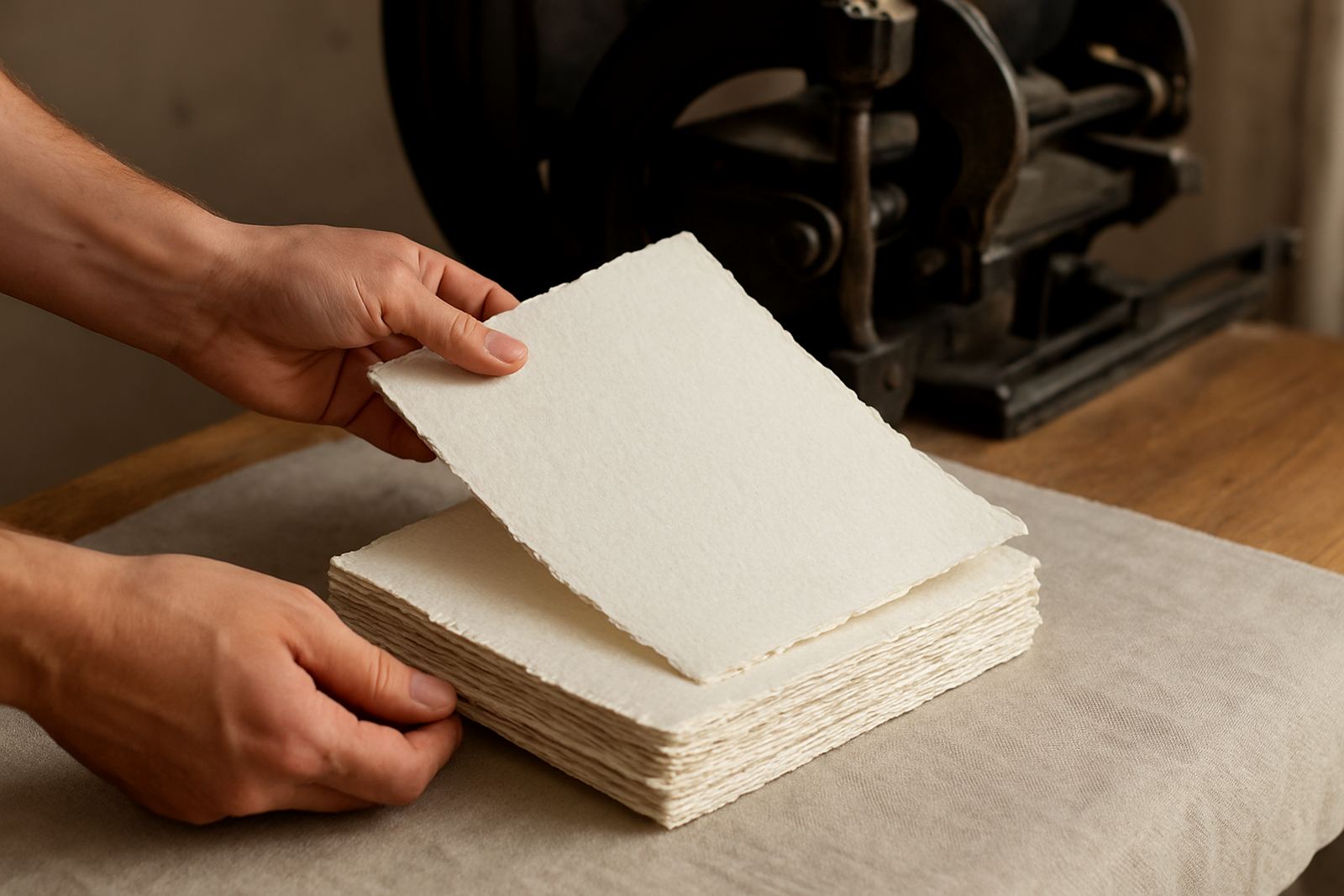
Letterpress finishing adds weight and texture, especially when paired with thick cotton paper. It gives the invitation a pressed impression that guests can feel, which suits formal stationery very well. If the event leans modern, a simple raised monogram or initials panel can be enough. For a more traditional evening, a border, crest or monogram with foil and blind debossing can look properly considered.
Colour matching matters too. Black tie does not always mean black paper, and it does not always mean gold foil. The right combination should work with the flowers, candles, linen and venue lighting. In Cape Town venues with warm indoor lighting, metallics can read slightly differently at night, so proofing under natural light and a warmer light source helps avoid surprises. It’s a small step, but a useful one.
- Use one main metallic colour for a cleaner finish
- Choose paper that is thick enough for formal handling
- Keep artwork simple so the foil stays crisp
- Test colours against envelopes and place cards early
Build the Suite So Guests Know What to Expect
Black tie stationery is not only about the invitation. A complete suite helps guests navigate the event with ease, from save the date through to the final thank you card. When everything is coordinated, the experience feels planned rather than rushed. That matters for weddings, gala dinners, awards evenings and milestone birthdays where guests may need transport, accommodation details or a seating plan.
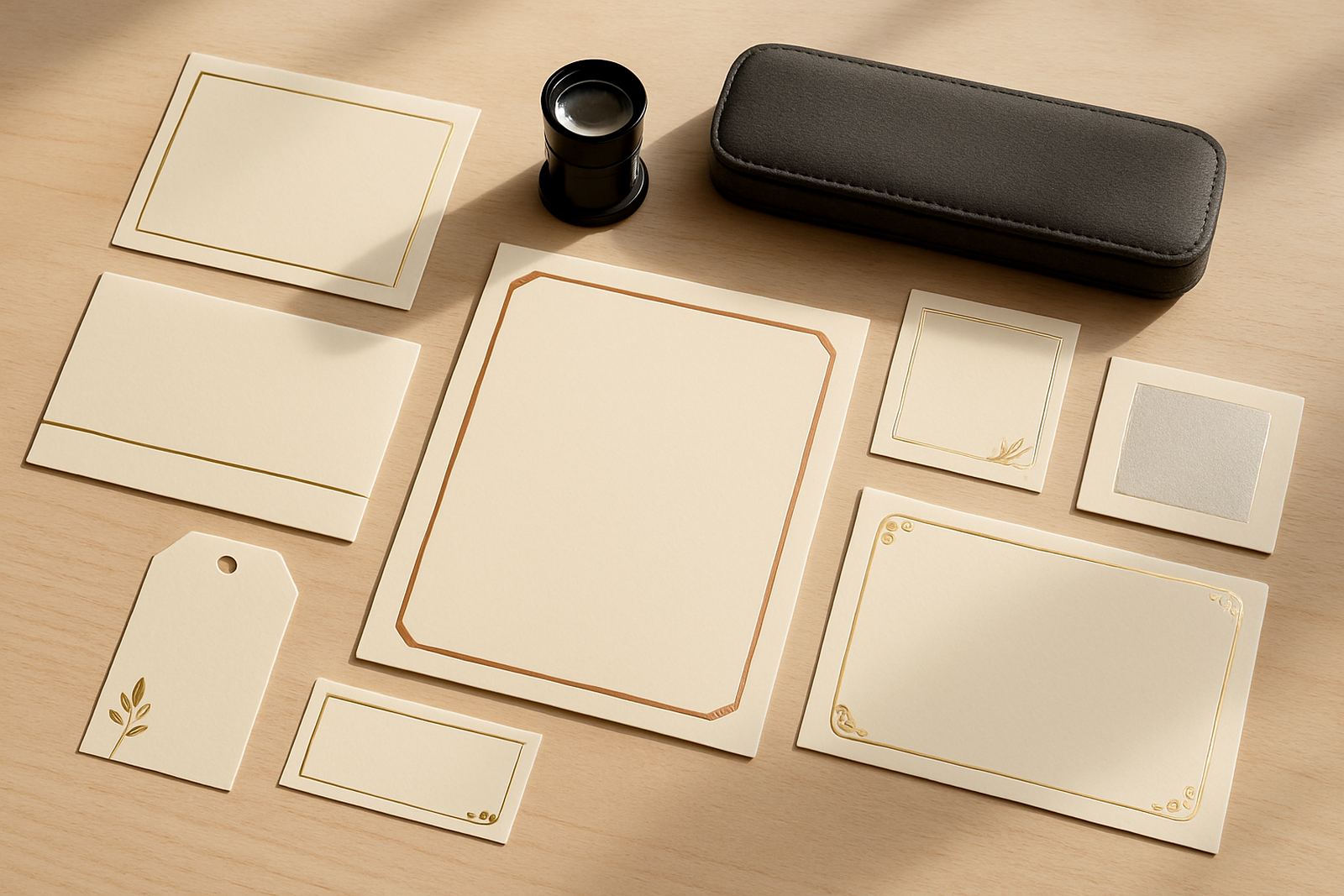
A practical suite usually includes the main invitation, information card, RSVP card, envelopes and if needed, event day pieces such as menus, table numbers and place cards. If the event runs over a long dinner service, menu cards help staff and guests alike. For weddings at venues in Paarl, Somerset West or Stellenbosch, where guests may arrive by shuttle or drive in from the city, an insert with parking notes and timing can save quite a bit of confusion.
Keep wording concise. Formal does not have to mean wordy. A clear response date, dress code and venue line will do more than a page of decoration. If you are including wax seals, envelope addressing or gift packaging, those elements should support the event style, not compete with it. The aim is to create a calm, organised first impression.
- Invitation with event details and dress code
- Information insert for directions, accommodation or transport
- RSVP card or clear response line
- On-the-day items such as menus, place cards and table numbers
Paper Choice Matters in Cape Town Conditions
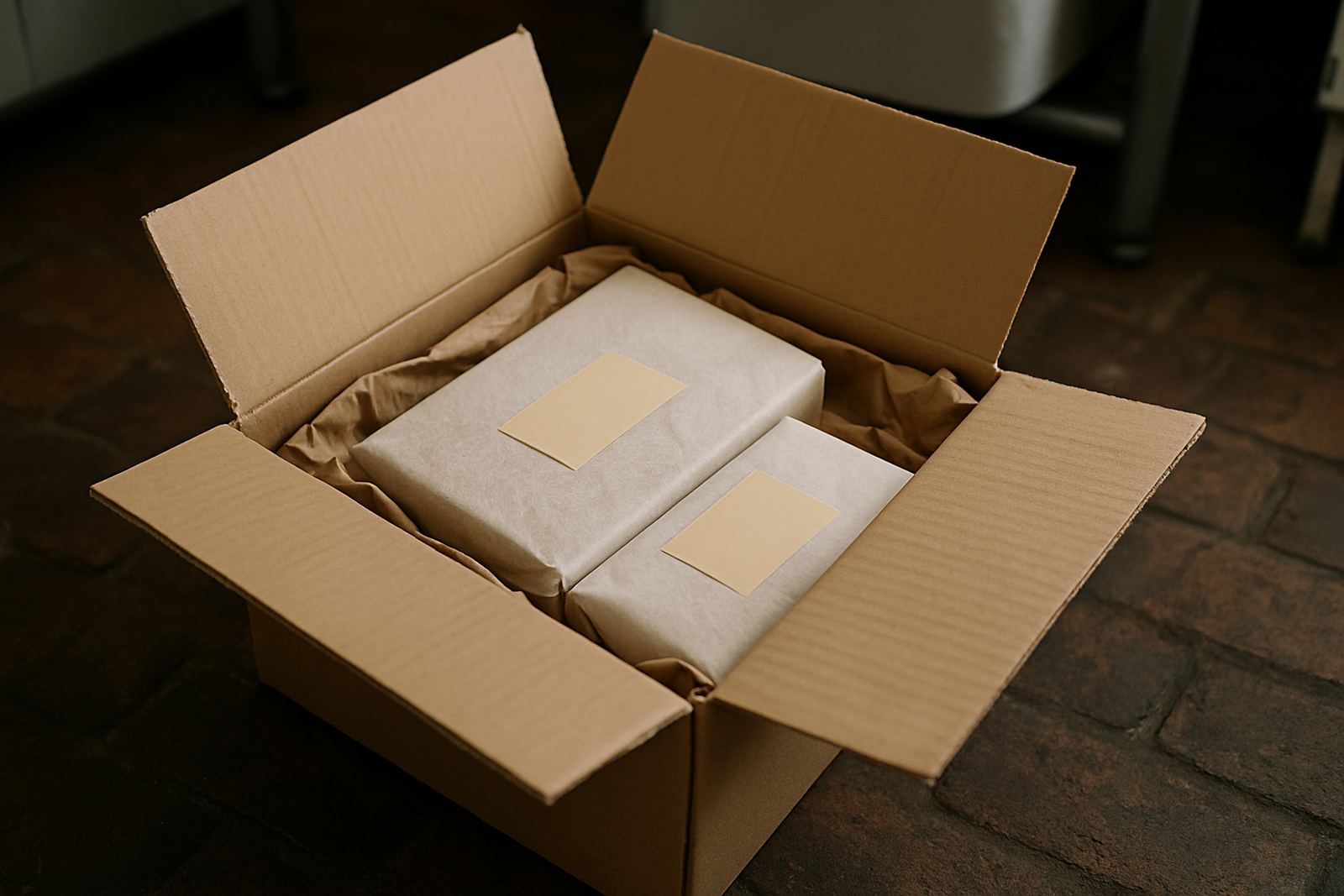
In Cape Town, paper choice is not only about appearance. Coastal humidity, transport and storage all affect how stationery behaves before the event. If the suite is couriered nationwide, sturdy envelopes and proper packaging become part of the job. Heavy stock holds its shape better, and envelopes with a good grain or lining are less likely to buckle in transit.
For black tie stationery, textured cotton papers often suit formal designs because they take foil and letterpress well. Smooth boards can look sharper for modern events, while lightly textured stocks offer a softer, more classic finish. If the event is on the Atlantic Seaboard where sea air can be quite strong, or at a venue with open doors and evening breeze, it is worth thinking about how the menu cards and table pieces will stand on their own.
Paper sourcing should also reflect the rest of the suite. If the invitation is heavy and tactile, the envelope should feel equally considered. If gift packaging is part of the brief, a matching paper wrap or fold can keep everything consistent. These choices may sound small, but for formal events they change how the whole set lands in the hand.
Proofing and Assembly Prevent Expensive Mistakes
Formal stationery leaves little room for errors because guests notice details immediately. A misspelt surname, wrong venue spelling or incorrect date can be costly to fix, especially once foil plates and final print runs are underway. That is why artwork proofing should happen in stages. First check the wording, then the layout, then the final proof against the exact paper and finish.
Envelope addressing deserves the same care. Hand-addressed envelopes can work beautifully for black tie events, but they must remain legible and consistent. Printed addressing is often better when there are many guests or a tight turnaround. Suite assembly is another point where order matters, because inserts need to be placed in the right sequence and counted carefully before courier collection.
For clients across South Africa, from Woodstock and the Southern Suburbs to Stellenbosch and beyond, assembly also protects the presentation during couriering. A sealed, packed and checked suite is less likely to shift or arrive scuffed. It is the unglamorous part of luxury stationery, but it is what keeps the polished finish intact.
- Approve wording before any finishing begins
- Check names, venue lines and dates twice
- Confirm paper stock against the final proof
- Count all inserts before sealing and dispatch
A Local Example for a Formal Cape Town Evening
Consider a winter wedding at a wine estate outside Stellenbosch, with guests arriving from Cape Town, Paarl and Somerset West. The invitation could use ivory stock with warm gold foil, paired with a black envelope liner and a simple monogram. The information card might include shuttle timings, rain plan notes and a response date that gives the couple enough time to finalise seating. On the day, matching menus and place cards would complete the table setting without making it feel overworked.
That approach suits black tie because it stays elegant and practical. Guests know where to go, what to wear and what to expect. The stationery feels formal without becoming stiff. It also gives the hosts room to add one personal detail, such as a wax seal, custom wording or a small symbol that ties back to their story. Those details matter, but they work best when the base design is disciplined.
At Foil Stamping Studio, the focus is on that balance. With custom design, foil stamping, letterpress finishing, paper sourcing, colour matching and nationwide delivery, black tie stationery can be planned carefully from the first proof to the final envelope. For evening celebrations, that kind of attention is often what makes the first impression stay in people’s minds.