Start With the Moment, Not a Template
The strongest thank you notes begin with a specific memory from the day. Mention the speech that made everyone laugh, the way a guest travelled from Durban for the wedding, or the fact that a family member stayed to help pack the last items into the car. That small detail does more than a generic “thank you for coming” ever can.
If the event was a wedding, baby shower, anniversary or corporate function, keep the note tied to that occasion. A guest should be able to read it and know it was written for them, not copied from a list. In Cape Town, where people often juggle busy schedules and traffic from Woodstock to the Southern Suburbs, a brief note with one honest line carries real weight.
- Open with the occasion and the person’s name.
- Refer to one thing they did, said or brought.
- Keep the tone warm, plain and direct.
Keep the Message Short but Specific
You do not need a long letter. A thank you note can be three or four sentences if each one earns its place. For many clients, especially after large events with 80 or 120 guests, the challenge is not what to say but how to say enough without sounding stiff.
A simple structure helps: thank them, name the gift or gesture, mention how it will be used, then end with a personal closing. If someone gave cutlery, for example, you might say it will be used at the family table for years. If they attended in person despite load-shedding, parking problems or a tight travel schedule, say you noticed that effort. That kind of detail feels sincere and practical.
- 1 sentence of thanks.
- 1 sentence naming the gift, help or presence.
- 1 sentence about how it mattered to you.
- 1 closing line that sounds like you.
Match the Tone to the Relationship
Not every thank you note should sound the same. A note to your aunt, your school friend and your wedding photographer will all need slightly different wording. Family can be more relaxed, while business contacts usually need a cleaner tone with less emotion and more clarity.
When in doubt, write like you would speak at the end of a good visit. If the person is older or formal, avoid slang. If they are close to you, a touch of personality is fine. The aim is to sound natural, not polished to the point where it loses warmth. A note that says “Your help on the morning of the ceremony made the day easier for us” often lands better than something overworked.
For events in Stellenbosch, Paarl or Somerset West, where guests often come from different family circles and friend groups, matching tone to relationship helps each note feel considered. It also saves you from sending out cards that all sound identical.
A Useful Framework for Wedding and Event Notes
When you are facing a stack of cards, a repeatable framework makes the task manageable. It also helps if you are ordering custom stationery and need the wording to fit neatly within the layout. A shorter message suits a folded card, while a more detailed note may need extra space.
Use this structure as a guide:
- Thank them by name.
- Mention the event and their role in it.
- Refer to a gift, message or specific act of support.
- Say how it will be used or remembered.
- Close with a personal sign-off.
Example: “Dear Thandi, thank you for celebrating with us at our wedding in Woodstock. Your beautiful gift will be used often in our home, and we were so grateful for your kind words on the day. With love, Sipho and Lara.” It is simple, clear and easy to adapt for other occasions too.
Write Early, Then Sort by Group
Many people leave thank you notes for too long because the event itself was tiring. The problem is that weeks pass quickly, and the memory of the day starts to soften. A better plan is to write the notes while the event is still fresh, even if you only do ten at a time.
Group your recipients before you start. Family, close friends, colleagues and suppliers can each be handled in a small batch. If you are sending stationery nationwide, this also helps with envelope addressing and sorting by delivery area. It saves time and lowers the risk of missed names or duplicated cards.
- Do the most personal notes first.
- Keep a simple list of names, gifts and addresses.
- Check spelling before the cards are sealed.
- Post or courier the notes together where possible.
A steady pace is better than a rushed all-night session. If you write five cards a day, you will finish far sooner than if you keep putting the whole job off.
Make the Card Feel Worth Keeping
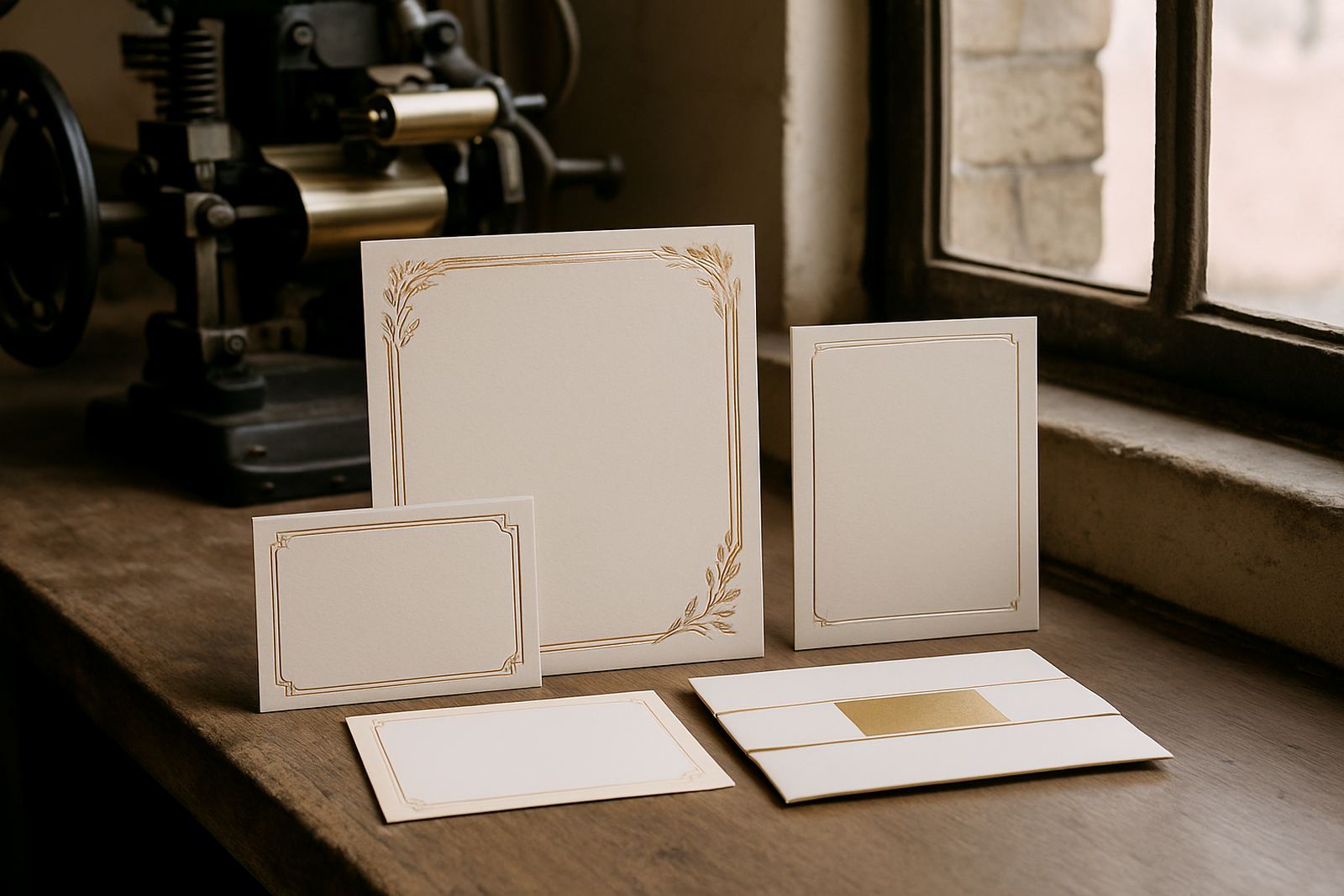
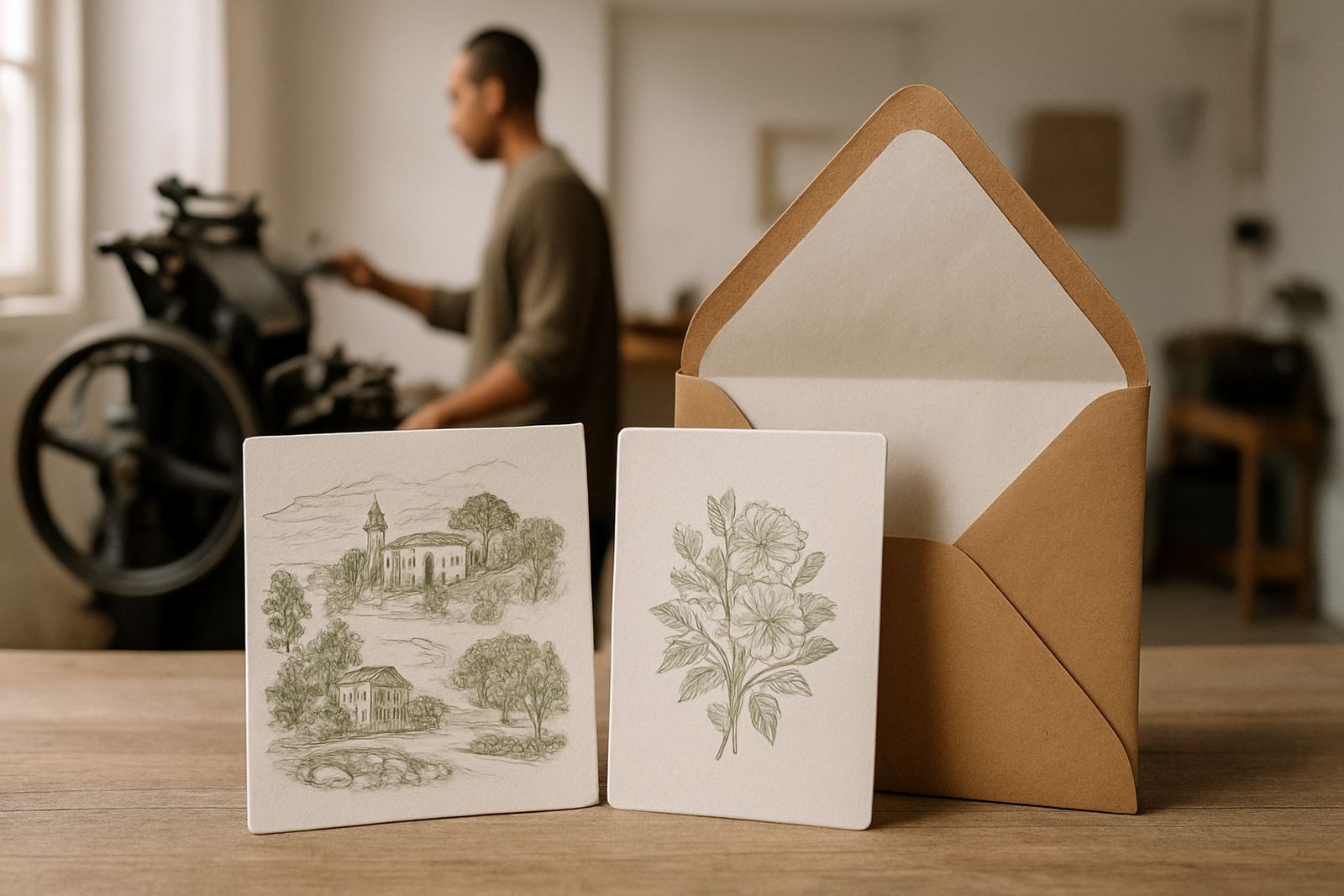
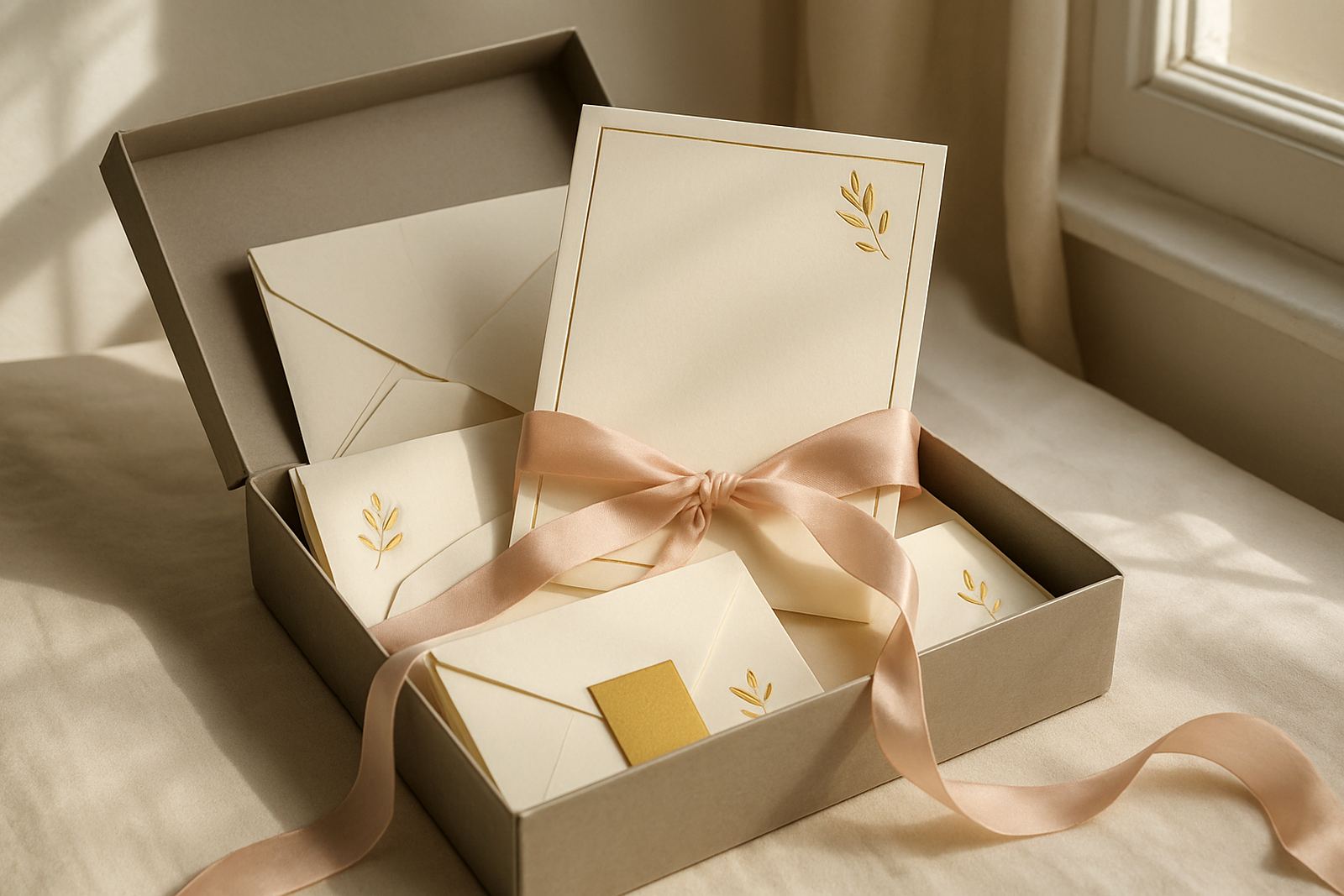
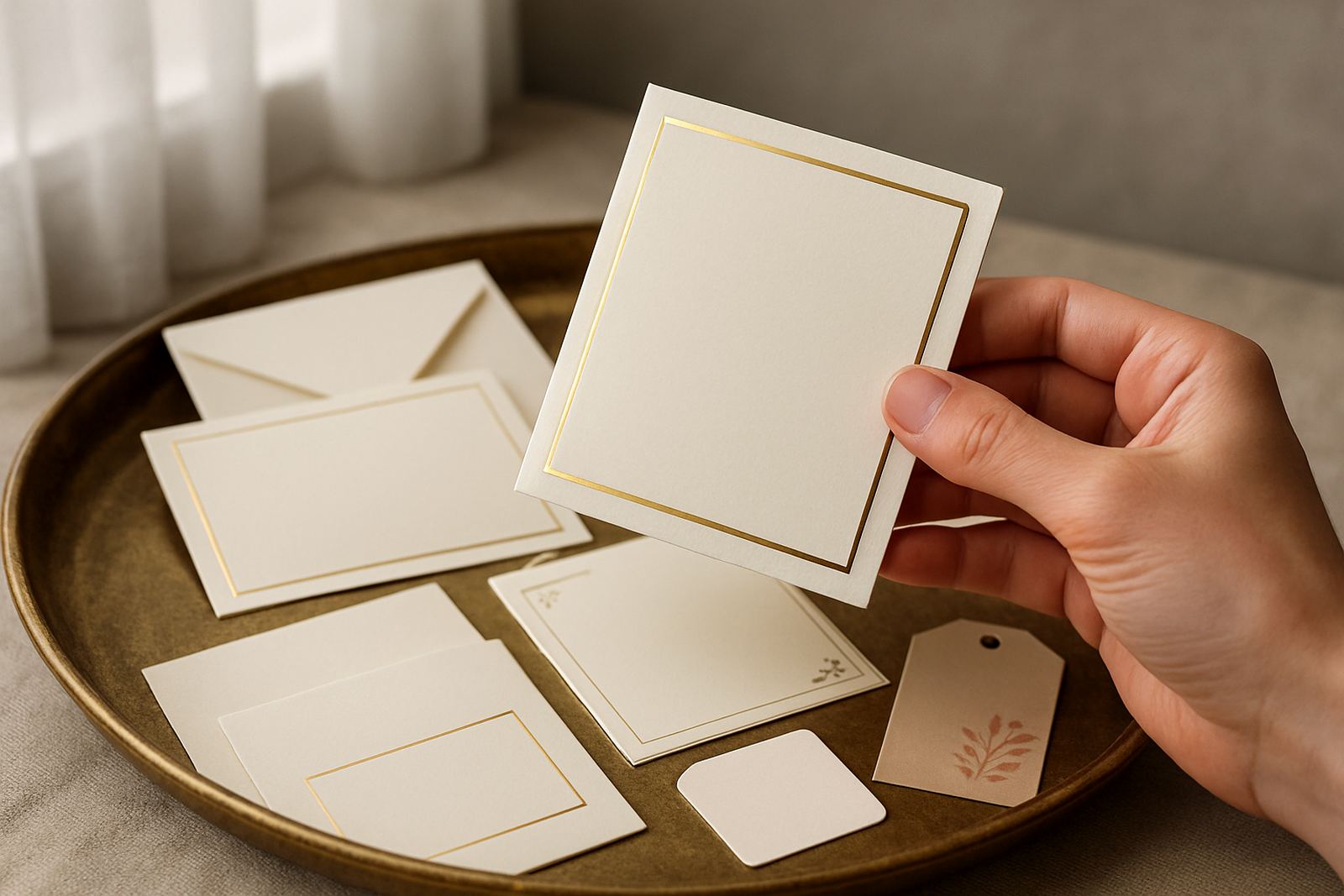
A thank you note is both a message and a keepsake. Good paper, neat printing and careful finishing make the card feel more special before it is even opened. For weddings and milestone events, details such as foil stamping, letterpress finishing, envelope addressing or a wax seal can support the tone of the message without overpowering it.
Material choices matter too. A heavier card stock feels more formal, while a softer textured paper can suit a hand written note. If your event is near the coast, paper quality becomes even more important because humidity can affect storage before posting. In a place like Woodstock, where stationery is often packed, sorted and couriered nationwide, sturdy envelopes and tidy assembly help keep the cards in good condition.
The note should still do the main work. Beautiful stationery supports the message, it should not carry it for you. A simple, well written line on quality paper will always mean more than a crowded page with no real feeling.
A Local Example That Feels Real
Think of a wedding in Cape Town with guests travelling from the Atlantic Seaboard, the Northern Suburbs and Stellenbosch. Some arrived early to help, others sent gifts after the event, and a few could not attend but still sent a message of support. The thank you notes do not all need to sound the same, yet they should all carry the same sense of gratitude.
For the aunt who helped with seating, you might say thank you for her calm presence and practical help on the day. For a colleague who attended after work, mention that you appreciated making time to be there. For a friend who sent a gift from out of town, say the parcel arrived safely and will be used often. Small details like that make the note feel human and honest, not formulaic.
That is the heart of good thank you note writing: not perfect wording, just real appreciation. When the message is brief, clear and personal, people keep it.