
The Main Invitation Carries the Message
The main invitation is the anchor of the suite. It should tell guests the key details first: who is getting married, the date, the venue and the time. If you are keeping the wording formal, the main card usually does the heavy lifting while the rest of the suite handles the practical information.
In South African weddings, the main card often needs to suit a wide mix of guests, from local family in Cape Town to relatives travelling in from Gauteng or KwaZulu-Natal. That is why layout matters. A clean hierarchy makes the card easy to read, even in softer lighting at an evening dinner or when guests are opening post after load shedding. Keep the wording readable and leave enough breathing room around the text.
- Names of the couple
- Wedding date and start time
- Venue name and area
- Dress code, if needed
- Host names or family wording, where relevant
Details Cards Keep the Invitation Practical
A details card is where you place the information that would crowd the main invitation. This often includes directions, parking notes, accommodation suggestions, shuttle times and gifts or registry wording. For weddings around Woodstock, the City Bowl or the Atlantic Seaboard, a details card can save guests from second guessing about parking, access gates or one-way streets.
This is also the right place for wording about children, unplugged ceremonies, or if guests should arrive by a certain time for welcome drinks. If the venue has municipal restrictions or noise limits, you do not need to explain the rules in full, but you can keep your wording clear so people know what to expect. A good details card reduces back-and-forth and keeps the main invitation uncluttered.
- Venue directions and map note
- Parking or shuttle instructions
- Accommodation suggestions
- Gift or no-gift wording
- Special guest notes such as dress code or timing
RSVP Cards Still Earn Their Place
Some couples assume an RSVP line on the invitation is enough, but a separate RSVP card is still useful, especially for larger guest lists. It gives guests a clear place to confirm attendance and note dietary requirements, plus it helps the couple or planner track numbers properly. That matters when finalising catering, table plans and transport.
For local weddings in Stellenbosch, Paarl or Somerset West, guests may be asked to indicate whether they will use a bus, stay overnight or join the ceremony only. A small response card makes that easier. If you are sending invitations nationwide, a detachable RSVP card can also help older guests who prefer to reply on paper instead of using a form.
- Guest name line
- Accept or decline option
- Dietary requirements
- Transport or accommodation response
- Reply-by date
We often suggest keeping the RSVP wording short. Too much detail can make the card feel crowded and people skip over it. A neat layout with enough space for writing by hand works best.
Envelopes, Belly Bands and Wraps Hold It Together
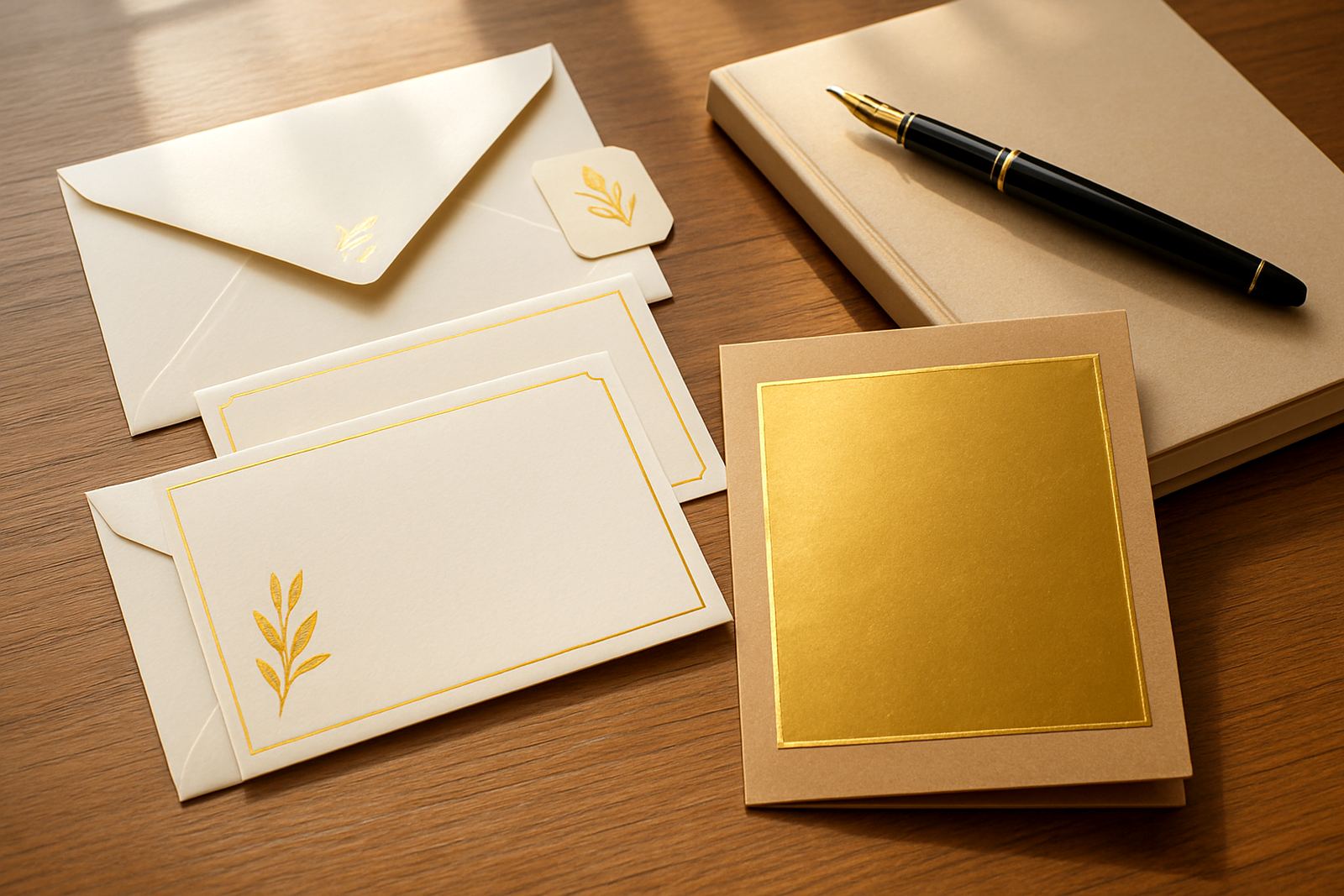
Presentation pieces are not just decoration. They keep the suite organised and make the first impression feel considered. The outer envelope protects the contents in transit, while an inner envelope, sleeve, band or wrap can add structure and style. For couriered stationery across South Africa, good packing matters because corners can bend and textured paper can mark if handled roughly.
A belly band is useful when the suite includes several inserts. It holds the pieces together without hiding the main card completely. A pocket fold or wrap can also help if you have multiple cards or want a more polished reveal. In humid coastal areas like Cape Town and the Atlantic Seaboard, paper choice and finishing need a bit more care so the suite stays crisp, not wavy.
- Outer envelope for mailing or hand delivery
- Inner envelope for a layered presentation
- Belly band for bundling cards neatly
- Pocket fold for several inserts
- Address label or envelope addressing
Finishing Touches Bring the Suite to Life
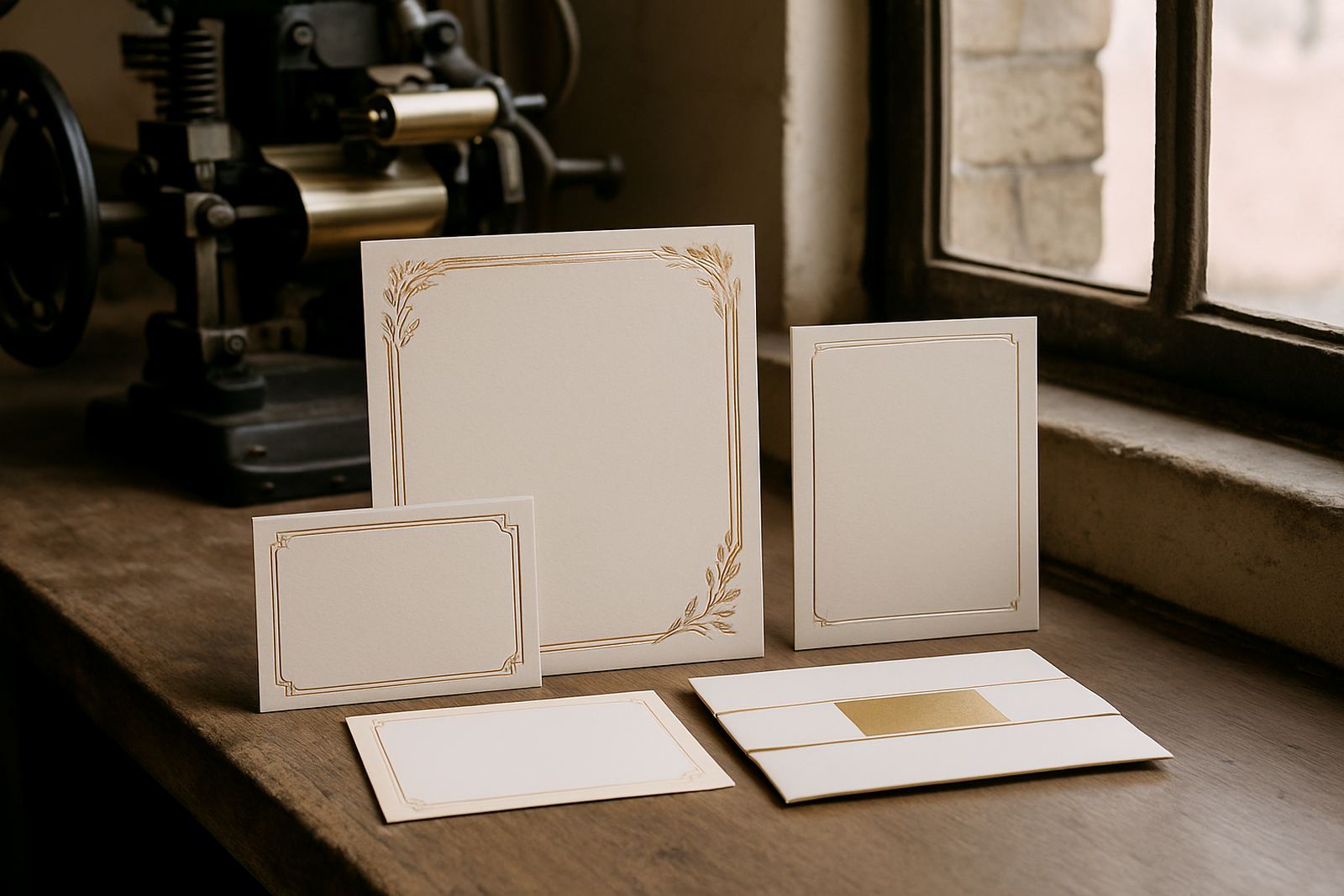
Foil stamping, letterpress finishing and wax seals are the details that give a suite its character. They should support the design, not overwhelm it. A soft metallic foil on names or initials can work well on a formal suite, while letterpress adds a pressed texture that feels tactile in the hand. A wax seal can be a lovely final touch for a classic or romantic look.
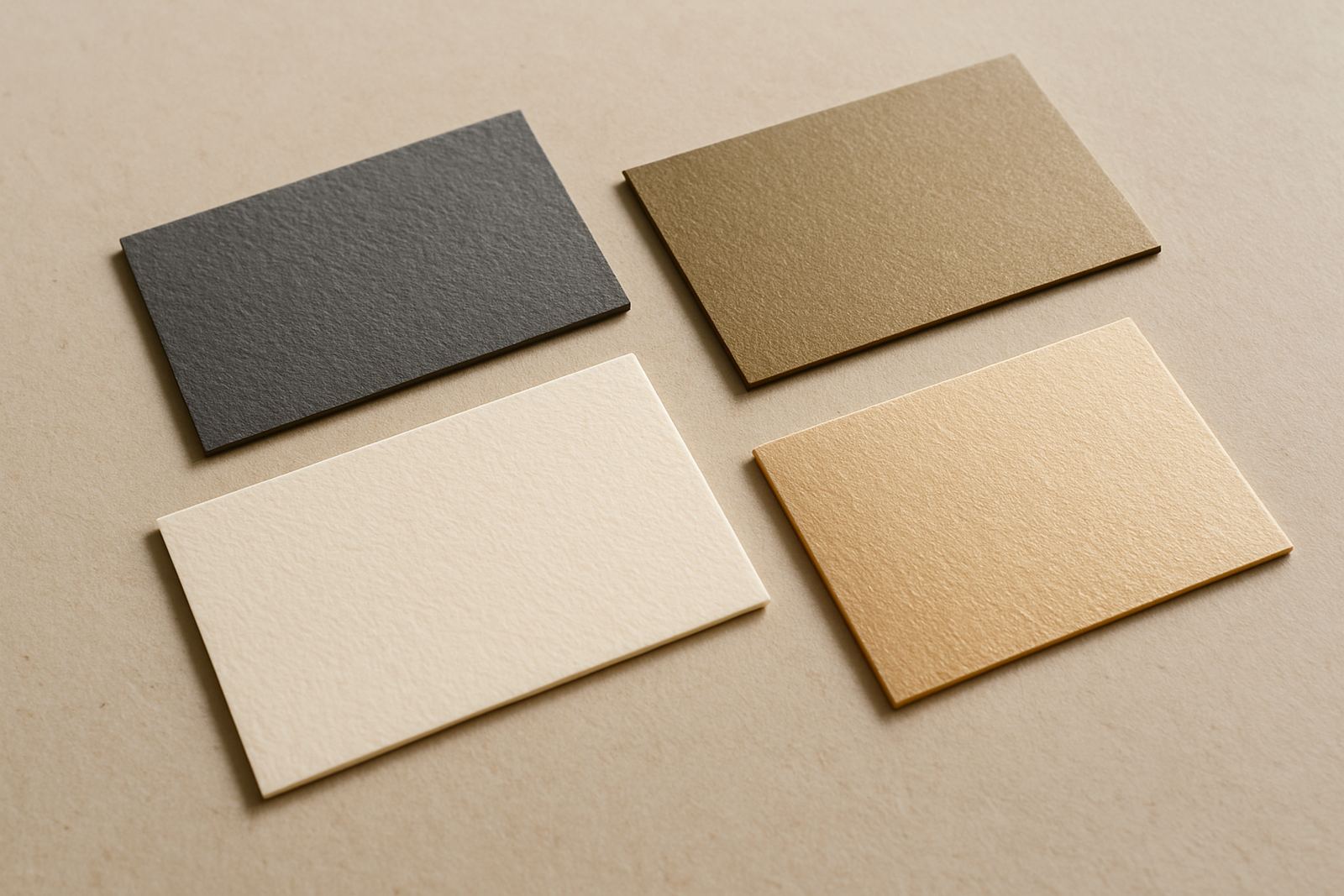
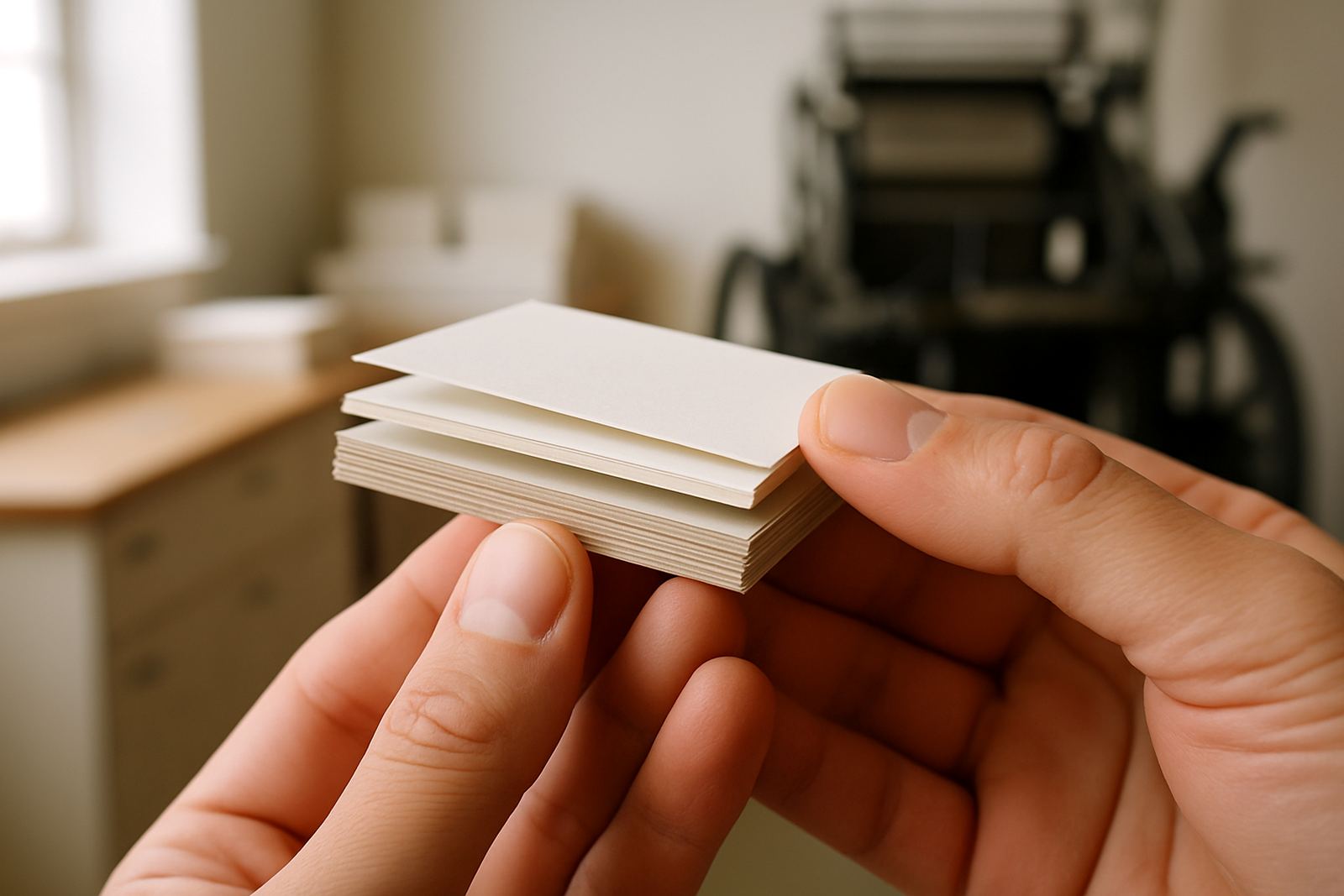
These finishes need to be chosen with the paper stock in mind. Heavier cotton papers, smooth boards and textured sheets all behave differently during production. If you want the suite to sit neatly in a pocket or wrap, thickness becomes important too. Too many decorative layers can make the suite bulky, which is not ideal if it must be couriered nationwide.
Practical finishing choices also depend on how the wedding will run. A black-tie evening in Cape Town may suit a more formal foil detail, while a garden wedding in the Southern Suburbs may call for a lighter, softer treatment. The aim is to match the feel of the day, not just add shine.
A Woodstock Example Shows How the Parts Work Together
Imagine a couple planning a winter wedding in a heritage venue near Woodstock. Their main invitation introduces the event cleanly, the details card covers parking and timing, the RSVP card handles meal choices, and the outer envelope keeps everything safe during courier delivery. They add a thin belly band and a small foil monogram so the suite feels refined without becoming too heavy.
This is where smart planning saves time. When the suite is broken into clear parts, guests can find what they need quickly and the couple avoids last-minute confusion. It also makes reordering simpler if a few extra invitations are needed for late additions or family requests. A well planned suite is easier to assemble, easier to send and easier for guests to keep.
- Main invitation for the ceremony details
- Details card for directions and practical notes
- RSVP card for attendance and meal choices
- Envelope and wrap for presentation and protection
- Finishing touches for style and texture
For couples across Cape Town and further afield, the best invitation suites are the ones that answer real questions before they are asked. That is what turns a pretty set of cards into a useful part of the wedding planning.