
Why the outer envelope carries more weight than people think
The outer envelope is the first piece your guests handle, so it should answer the basics quickly and politely. It needs to show who the invitation is for, where it is going, and whether the tone is formal, intimate or family focused. On premium stationery, even a simple address block can change how the whole suite is received.
In South Africa, people often mix formal and casual addressing styles. That can work for a birthday lunch or a relaxed engagement party, but for weddings, black tie events and corporate functions, the envelope should be specific. A properly addressed envelope tells the recipient that the event has been planned with care.
If the invitation is being couriered from Woodstock to Stellenbosch, Paarl or the Southern Suburbs, the envelope also needs to travel well. Clean spacing, strong paper and accurate details matter because courier labels, inserts and outer wraps can all add handling. A well prepared envelope reduces confusion and looks better on arrival.
How to write names and titles without making it stiff
The safest approach is to match the formality of the event. For a wedding invitation, use the full names of the invited adults unless the hosts have chosen a more relaxed style. For example, Mr and Mrs J S Maseko, or Mr Sanele Gumede and Ms Nokwazi Ntanzi, depending on preference and household structure. If children are invited, list them clearly so there is no guessing.
For professional or corporate invitations, titles should be consistent and neat. Avoid crowding the line with too many details. One clear name line is usually better than trying to fit every possible variation. When in doubt, keep the wording respectful and simple.
- Use the full first and last name for formal events unless initials are part of the chosen style.
- Keep husband, wife and children’s names accurate and in the correct order.
- Do not guess at a title if you are unsure, rather confirm it first.
- If a guest is invited with a plus one, say so clearly on the inner card or RSVP note.
Small errors are easy to miss on a screen and very obvious on printed stationery. A missing initial or an incorrect surname can change the feel of the whole suite, so proofing is worth the time.
Address format that works for Cape Town and beyond
South African addressing is straightforward when the format stays consistent. The recipient name goes first, followed by the street or postal delivery details, then the suburb, city and postal code. For premium invitations, you may not want a full postal address on the face of the envelope if the event is being hand delivered, but the structure still needs to be understood by the person preparing it.
For local deliveries in Cape Town, the suburb matters as much as the city. Woodstock, the Atlantic Seaboard, the Northern Suburbs and the Southern Suburbs each have different delivery patterns, parking limits and access points. For coastal areas, paper choice and sealing are important too because humidity can affect adhesive and wax if pieces are handled too early.
- Use the same address style across every envelope in the suite.
- Spell suburbs and towns correctly, especially where courier sorting may depend on them.
- Allow space for the address to breathe, cramped lines are hard to read.
- If the invitation is going to a business venue, include the company name and suite or unit number.
When invitations are couriered nationwide, clear addressing saves time at sorting depots and reduces the chance of delays. That is especially useful around busy periods such as summer wedding season and year end functions.
Inner envelope rules for families, couples and guests with children
The inner envelope, where used, gives you a chance to be more personal and specific. This is where hosts can indicate exactly who is invited without making the outer envelope crowded. It also helps when the same family surname is shared by several people, or when only certain members of a household are invited.
For a family invitation, the inner envelope might read: Mr and Mrs Mokoena, then the children listed underneath or on a separate line. For a couple, it may simply show both names without titles. If a guest is invited alone, there is no need to over explain it, the wording should be clean and kind.
Be careful with children’s names and ages. Some events are adults only, others welcome children for the ceremony but not the reception. If the invitation suite includes an RSVP card, that is the best place to clarify those details. It avoids awkward calls later and keeps the outer envelope focused on the formal address.
When to use calligraphy, printed lettering or hand addressing
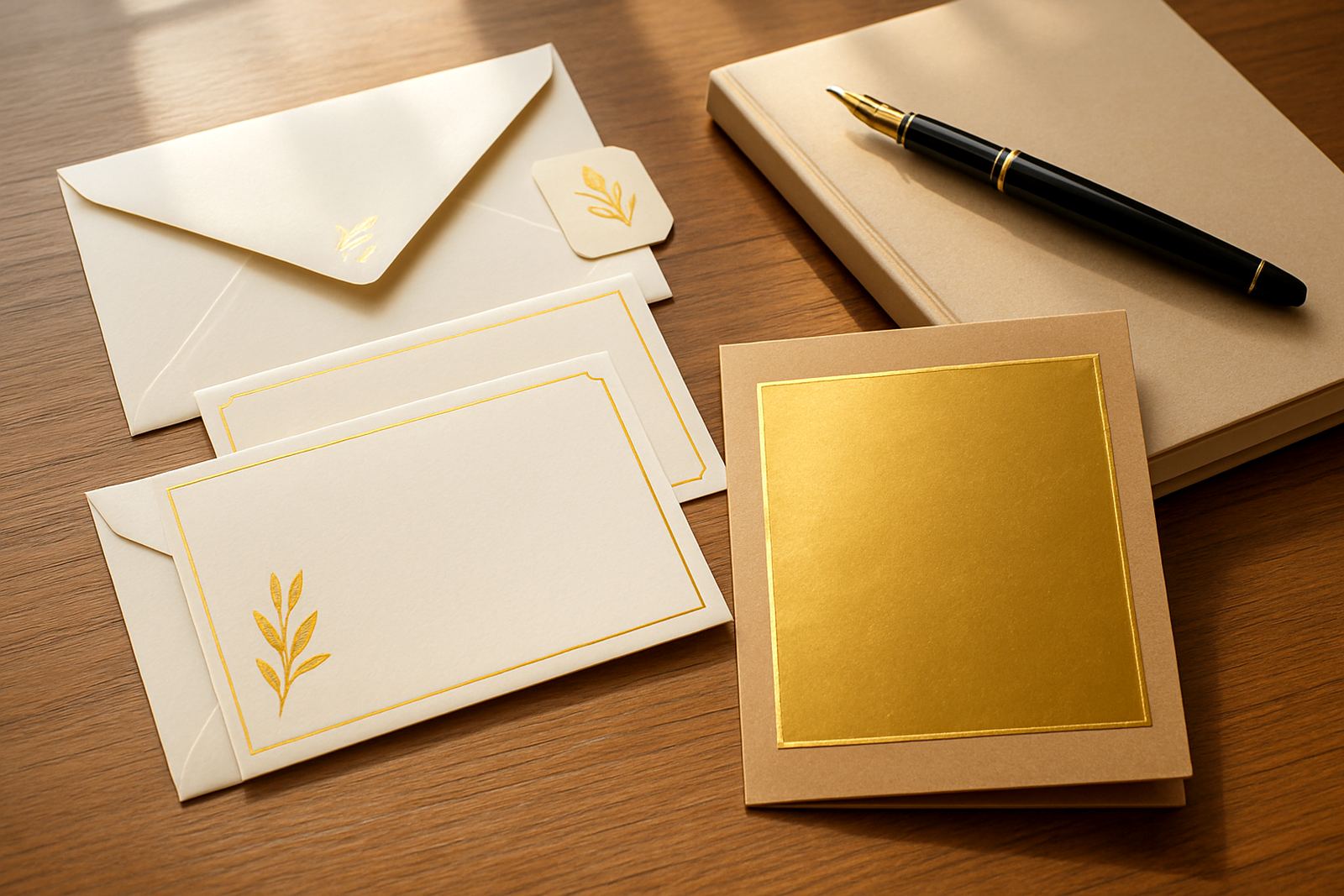
There is no single correct method. The right choice depends on the style of the stationery, the event and the time available. Hand addressing can feel warm and personal, while printed lettering gives a crisp and consistent finish. Calligraphy works well for luxury suites, especially where foil stamping, letterpress finishing or wax seal details are already part of the design.
For larger guest lists, printed addresses are often more practical. They keep spacing even and make it easier to maintain consistency across 50, 100 or more envelopes. For smaller gatherings, hand addressing can add an intimate feel, provided the handwriting is legible and the ink suits the paper stock.
- Match the address style to the overall invitation design.
- Choose ink colour that contrasts clearly with the envelope paper.
- Test the pen or print method on the actual paper before committing.
- Leave enough drying time, especially in humid Cape Town weather.
In production, timing matters. If envelopes are addressed too close to dispatch, ink can smudge during stacking or courier handling. A day of drying time is often the difference between a polished finish and a marked envelope.
Common envelope mistakes that can make a suite look rushed
Even expensive stationery can look hurried if the envelope work is off. The most common problem is inconsistency: one envelope says Mr and Mrs, another says The Mokoena Family, and another uses first names only. Mixed styles make the guest list feel unfinished.
Another issue is poor spacing. Too many lines pushed too high or too low can make the address look awkward. The envelope should feel balanced, with enough white space around the text so the eye can read it easily. And if an envelope seal, return address or postage mark is used, those details should not crowd the main address block.
Here is a simple pre-send check that helps:
- Confirm every name against the final guest list.
- Check spelling of surnames, suburbs and town names.
- Review titles and plural forms such as Mr and Mrs or The Family.
- Make sure the return address, if used, matches the chosen format.
- Count envelopes against the guest list before courier pickup.
A quick check can save reprints, readdressing and delays, which matters when event dates are fixed and there is no room for backtracking.