
Start With The Post, Not After It
When a client in Cape Town asks about foil-stamped invitations, the conversation should begin with delivery, not end there. A square card, a thick board, a wax seal or layered insert can change the final postage quite a bit, and in South Africa those changes matter more than people expect. Once an invitation set is made up, every extra gram and every extra millimetre affects how it moves through the postal system or a courier bag.
Postage planning is really about three things: size, weight and protection. If those are considered early, you avoid awkward surprises like having to strip out an insert pack at the last minute, or paying more than planned for nationwide distribution. It also helps when you are sending to guests across different towns, from Woodstock and the Southern Suburbs through to Stellenbosch, Paarl and Somerset West.
Why Shape Changes The Cost And The Risk
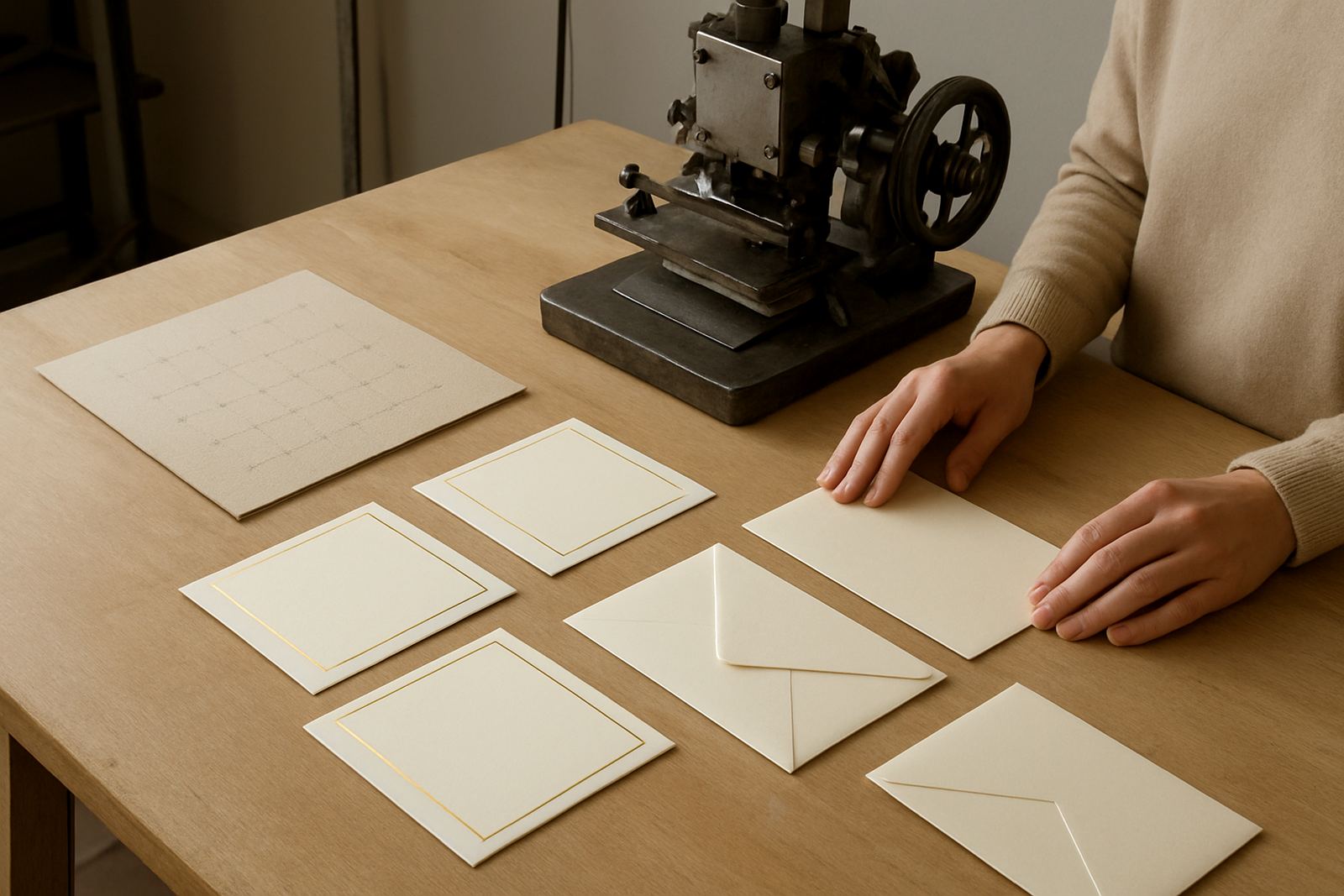
Many couples like square invitations because they look refined, but square pieces can sit outside the easiest postal categories. Long, slim formats are often simpler to package and less likely to be treated as odd-sized mail. A folded invitation may also travel better than an open flat card, especially if it includes foil, letterpress finishing or raised elements that can scuff if packed too tightly.
Shape also affects how the item sits inside the envelope. A card that is too close to the envelope size can catch when the flap is sealed, while one that is too small can slide about and get corner dents. We always look at the full suite, not just the main card, because a reply card, map insert and envelope addressing all add to the final bulk. A pretty layout is only useful if it still posts cleanly.
- Square cards usually need more careful envelope selection.
- Folded cards often protect the printed surface better.
- Odd-sized inserts can push a set into a higher postage band.
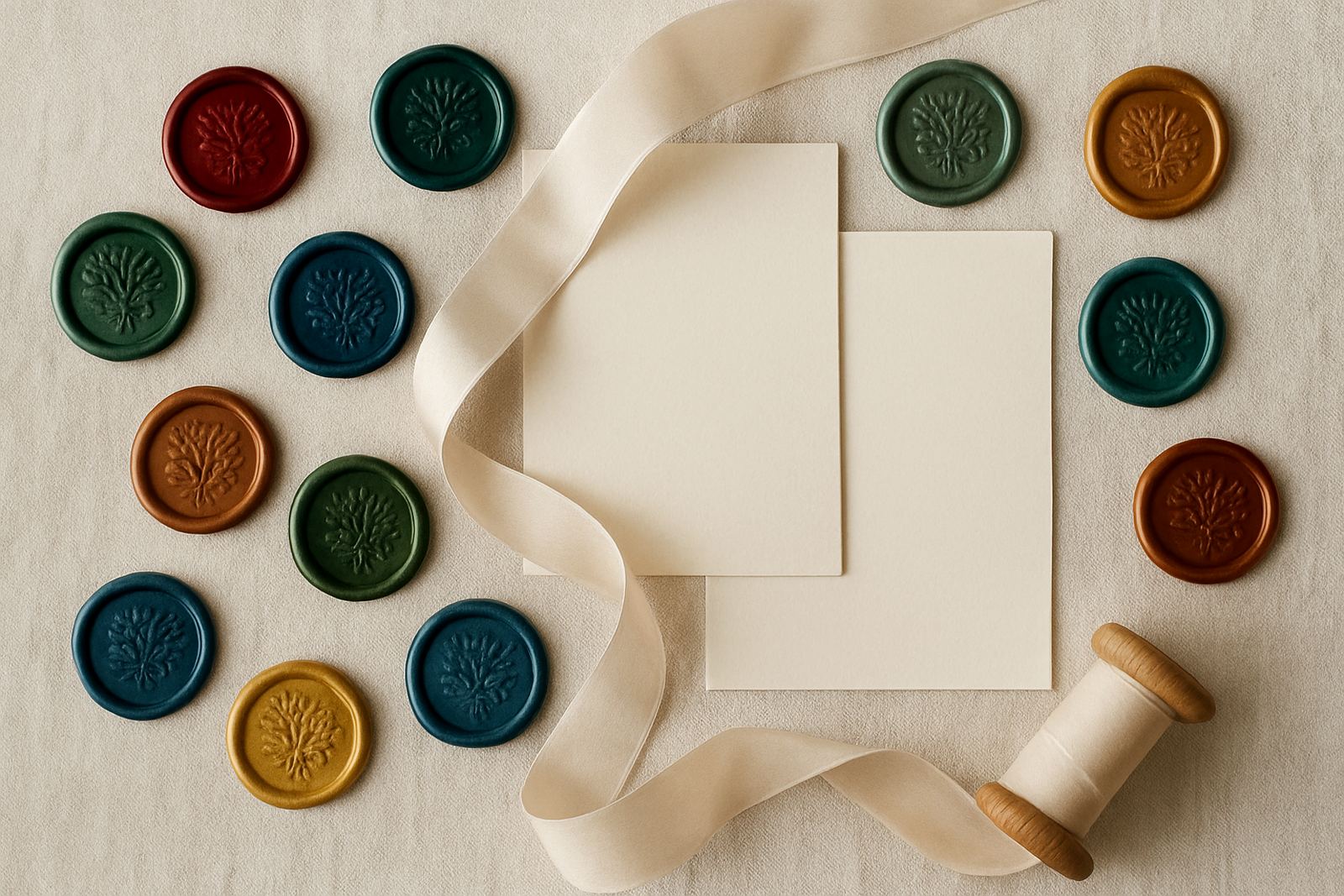
- Wax seals and ribbon ties are lovely, but they need extra packing thought.
The Weight Question Nobody Wants To Guess At
Weight is where postage budgets can quietly go wrong. A light invite in a standard envelope may post without trouble, but a fully assembled suite with textured paper, foil, thick backing and packaging can move into a different bracket very quickly. In practice, the total weight is not just the paper. It includes envelope stock, lining, address printing, seal closures and the outer shipping pack if you are sending direct to guests.
For event hosts in Cape Town and further afield, it helps to ask for a realistic final weight estimate before confirming quantities. That lets you decide whether to keep the insert set minimal or whether to split the package into a display item and a simpler mailing version. A little planning here saves money and avoids the need to rework a batch after assembly has already started.
- Ask for the weight of one fully finished set, not only the printed card.
- Check whether the invitation will be mailed individually or inside a courier satchel.
- Allow for sample copies if you are posting approvals to family members.
- Build in a spare few Rand per item for postage changes and packaging.
Packaging That Protects Foil, Corners And Seals
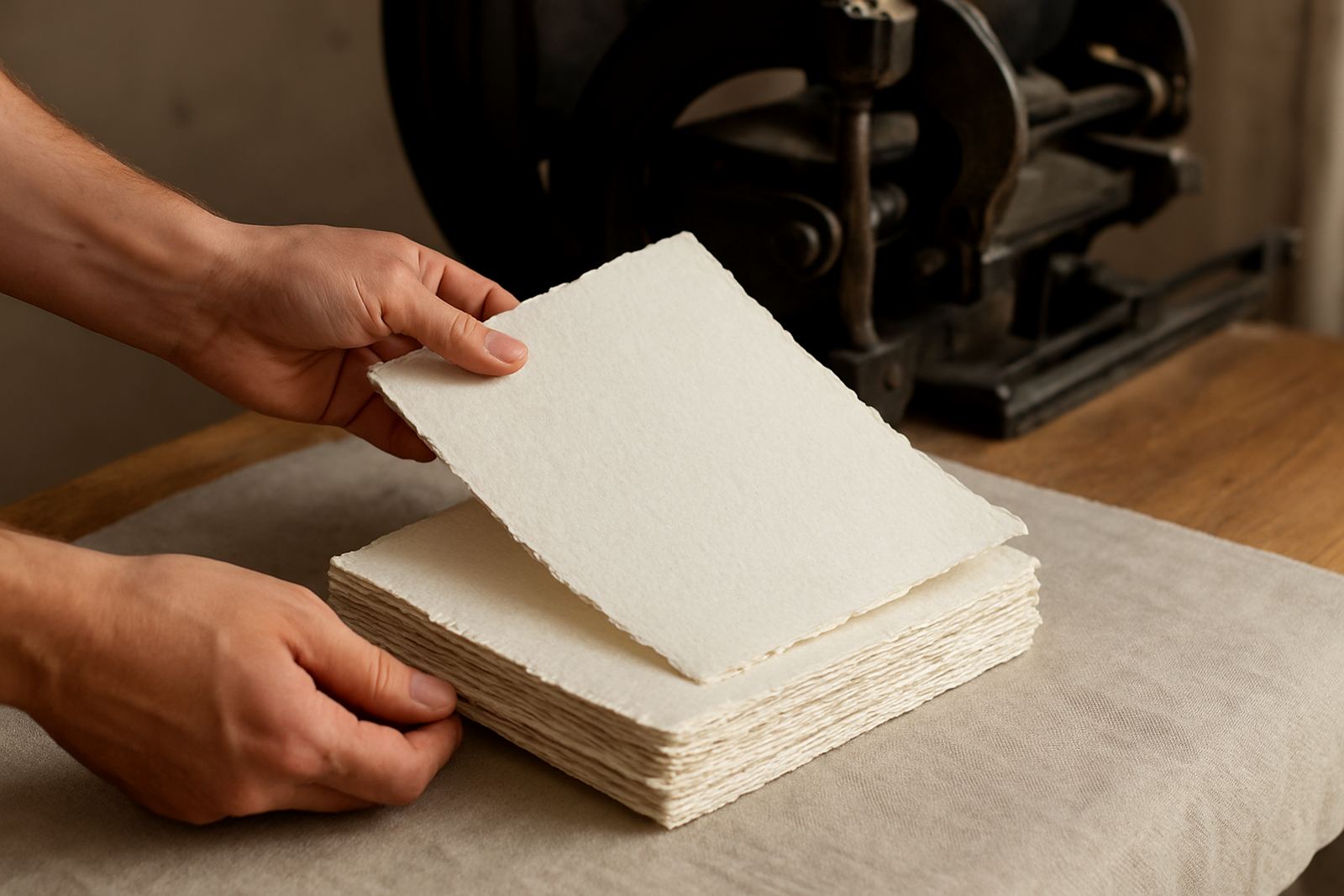
Foil stamping is durable, but it still needs sensible packaging. Fresh foil can show marks if it rubs against a rough insert, and heavy paper corners can wear when they move inside the envelope. For that reason, the inner wrap matters almost as much as the invitation itself. Glassine sleeves, tissue, card interleaves and rigid outer mailers all help reduce damage on the way to the guest.
In coastal areas like the Atlantic Seaboard, humidity can also affect paper during storage and handling. An invitation left open in damp air can curl slightly, and envelope gum can lose consistency if the pack is stored badly. For that reason, we recommend sealing only when ready to send, and keeping assembled suites flat in a cool room until courier collection. It sounds simple, but it prevents a lot of headaches later.
Couriered Nationwide Needs A Different Plan
When invitations are sent nationwide, the mailing plan should match the route. A local hand delivery in Woodstock is very different from sending wedding stationery to Johannesburg, George or Polokwane. Courier networks handle bulk and fragile items more predictably than general post for many clients, especially when the suite includes layered pieces, envelopes and gift packaging. It is not only about speed, it is about consistency.
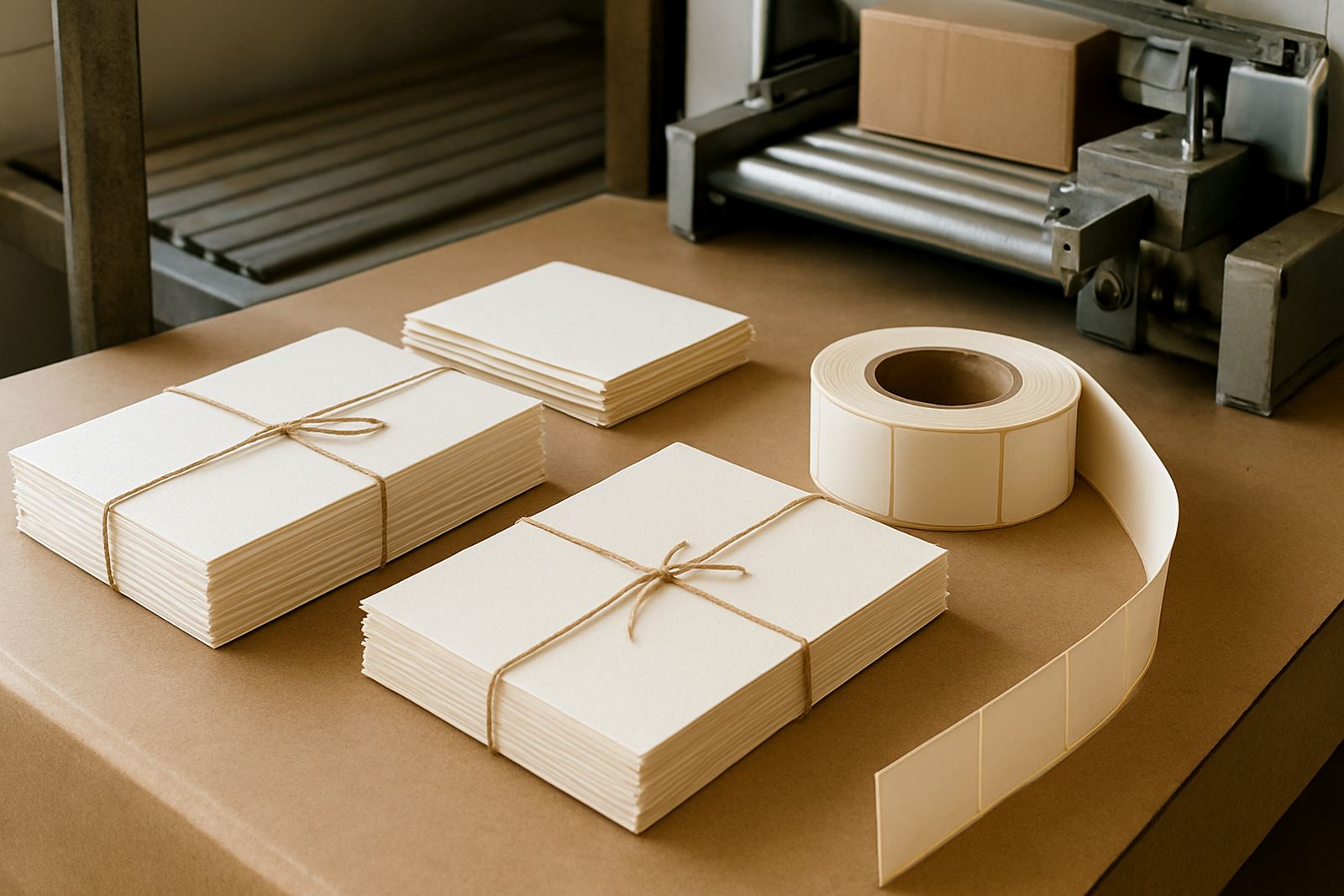
For long-distance sends, we usually suggest outer cartons with enough space to prevent crushing and enough fill so the contents do not shift. One small box per guest pack is often safer than overloading a large carton. If the wedding stationery is being posted with add-on items like menus or place cards, the parcel should be checked again because load-shedding related delays in production can push packing into a tighter window than expected. A courier cut-off of a day or two can make all the difference.
- Use rigid outer packaging for any set with wax seals or layered embellishments.
- Keep print quantities grouped by area if you are dispatching to multiple provinces.
- Confirm whether the recipient address needs unit, complex or estate details for easier delivery.
- Allow extra lead time during December, public holidays and wedding season.
A Woodstock Example That Shows The Point
Consider a couple in Cape Town planning invitations for guests in the Northern Suburbs, Stellenbosch and the Garden Route. They love a square invitation with foil lettering, a belly band and a wax seal. On paper, it looks elegant. In practice, the set is thick, slightly fragile and expensive to post one by one. The better option may be to keep the main invitation square, but simplify the enclosure cards and use a sturdier outer envelope with couriered packs for out-of-town guests.
That small change can cut damage, reduce postage surprises and keep the whole mailing process manageable. It also means the couple can spend less time rechecking returned items and more time on the rest of the wedding plan. Good postage planning does not make the invitation less special, it makes it more likely to arrive in one piece and on time.
At Foil Stamping Studio in Woodstock, we often find that the most successful mailing plan is the one decided before the final artwork proof is approved. Once the dimensions are settled, the paper choices can be matched to the delivery method, and the final suite feels considered from start to finish.
What To Decide Before You Confirm Your Order
If you want invitations to travel well, decide the mailing method early. Will guests receive them by standard post, by courier, or by hand delivery at an event? Will the suite include extras that can be removed for postal versions? And do you want a presentation pack for close family, while keeping the rest lighter and easier to send? These are simple questions, but they shape the final result.
The safest approach is to build the invitation around the real send-out plan. That means choosing a size that works, keeping weight under control, and packaging in a way that suits South African delivery conditions. It is practical, not fussy, and it keeps the stationery looking the way it should when it lands on the table or in the letterbox.