Choose the format that matches the room
The best seating chart format starts with the layout of the venue. A long table arrangement, a courtyard reception, or a marquee in Cape Town each asks for something different. If guests arrive in waves, the chart must be easy to read from a few steps away and still make sense when people are standing in a line with a drink in hand.
For smaller guest counts, a simple alphabetical list can work well. For larger weddings, table numbers or table names are easier to manage. In our experience, the most practical choice is usually the one that matches how your guests will move through the room, not just what looks pretty on paper.
- Alphabetical charts suit intimate functions and shorter guest lists
- Table number charts are best when seating is grouped by table
- Table name charts work well for themed weddings and corporate events
- Escort card styles help when guests need to collect a card and find their table later
Panel charts, boards and signs that stand on their own
Panel-style seating charts are popular because they can be placed at the entrance, beside the bar, or near the welcome drinks table. A rigid board also holds its shape well in windy spots such as the Atlantic Seaboard, where a lighter sign might wobble or fall over. For outdoor venues in Stellenbosch or Somerset West, a freestanding board gives guests one clear point of reference.
These charts can be printed on board, mounted with a frame or finished with a foiled title for a more formal feel. If the guest list is long, the names need enough spacing so no one has to squint. That extra breathing room matters, especially when aunties and uncles arrive all at once and want to check their seats quickly.
- Best for 50 guests and up
- Easy to position at the venue entrance
- Works with mirror, board, acrylic-look and mounted paper finishes
- Suitable for indoor halls, gardens and marquee receptions
Escort cards for flexible guest movement
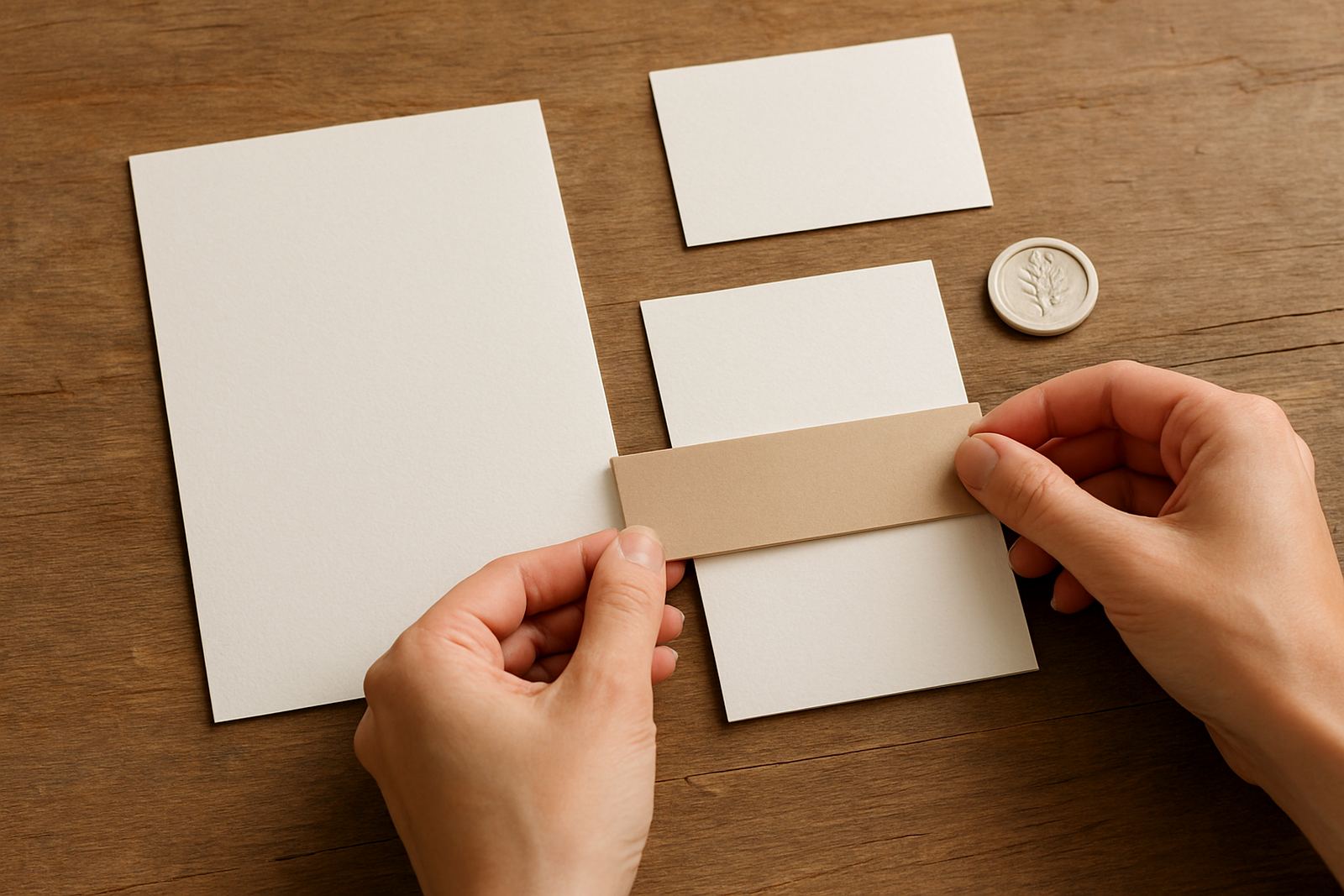
Escort cards give you more flexibility than one large board. Each guest or couple receives a card showing their table number or seat group, and those cards can be arranged in neat rows on a table, in a box frame, or clipped to a display. This format is ideal if you want the seating information to become part of the decor rather than a single notice board.
They are also practical when your guest list is still changing late in the planning stage. If one or two names move around, you only replace the affected cards instead of reprinting a full chart. That saves time and keeps the stationery budget under control, which is helpful when you are also paying for menu cards, place cards and thank-you notes.
- Easy to update if seating changes close to the event
- Useful for mixed table sizes and family grouping
- Can be paired with envelopes, wax seals or colour coded backing cards
- Neat for guests who prefer to collect and move on quickly
Acrylic, mirrored and foil finished pieces for formal occasions
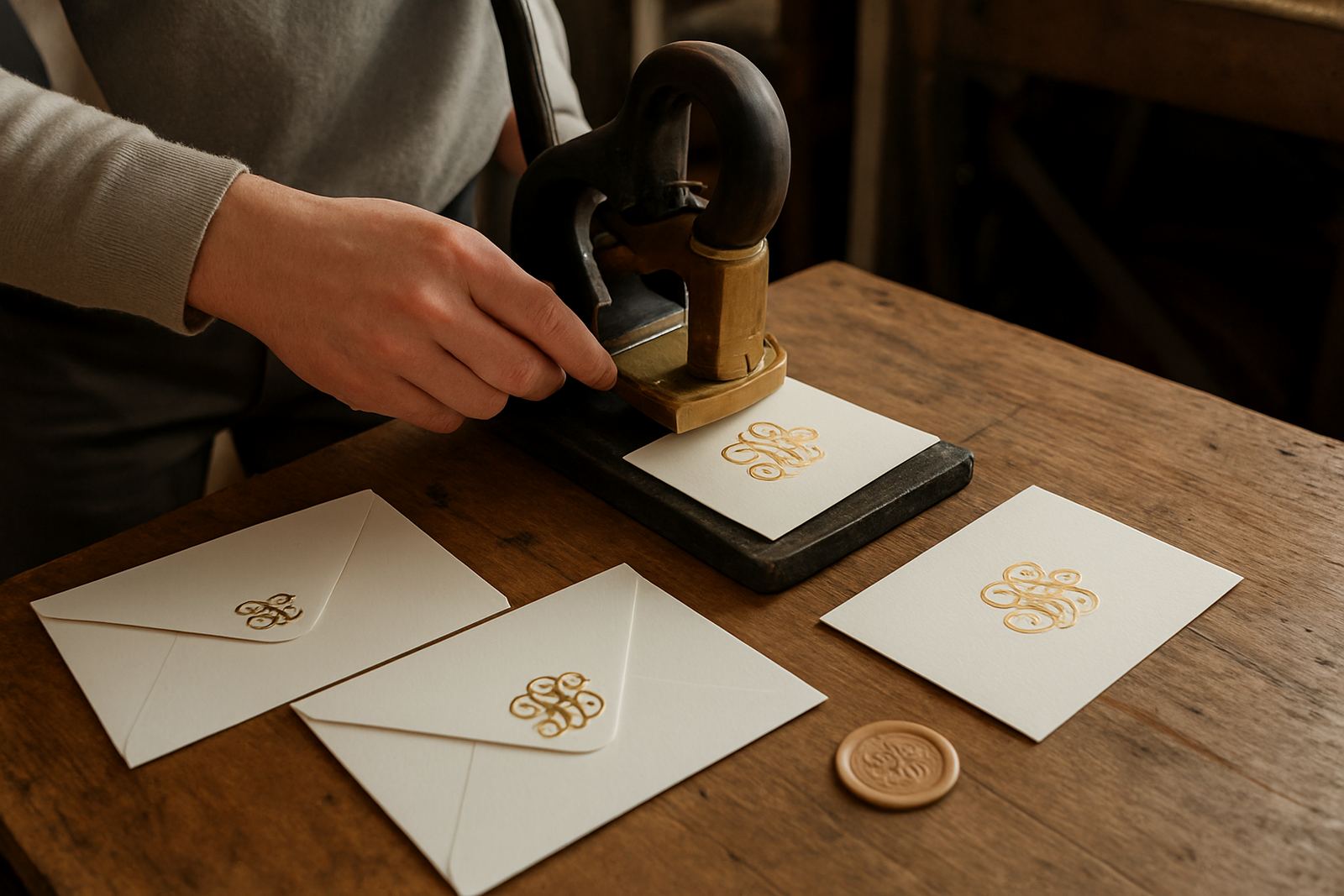
If the event calls for a polished finish, a seating chart can carry the tone of the whole reception. Acrylic-look charts feel contemporary, mirrored surfaces add brightness and foil stamped titles bring a more dressed-up finish. These formats suit evening receptions, high end venues and couples who want their signage to match the invitation suite.
Foil stamping is especially effective when the chart needs a clear focal point. A foil title helps the header read from a distance while the guest names stay clean and easy to follow. The trick is balance: too much shine and the list becomes hard to read, but the right amount creates a proper entrance moment. In Cape Town, where light can shift quickly after sunset, legibility matters as much as the finish.
- Best for black tie, formal weddings and premium venues
- Foil titles help the heading stand out without crowding the page
- Works well with white, clear and dark backgrounds
- Can be matched to the rest of your stationery suite
How to plan for practical issues on the day
A seating chart should work under real conditions, not just on a sample sheet. Load-shedding, wind, last minute guest swaps and limited venue lighting can all affect how well the chart performs. If the reception starts after dark, a chart placed near a doorway or lit area is easier to use than one tucked into a dim corner. In coastal areas, moisture can also affect delicate paper stock, so the format and finish need to suit the setting.
Names should be grouped in a way that makes sense to guests. Families, work groups and travel companions should not be split up unnecessarily. If you have many out of town guests or older relatives, avoid overly small type and crowding. It sounds minor, but one extra line break can save a lot of confusion later on.
- Use larger type for the main guest names and table labels
- Keep the chart close to the entrance and guest flow
- Choose a format that can handle outdoor conditions if needed
- Allow time for final proofing before printing or finishing
A Cape Town example that keeps guests moving
For a wedding in Woodstock with guests travelling in from the Southern Suburbs, Paarl and the Atlantic Seaboard, a freestanding panel with table numbers can be the easiest option. Guests arrive, check the chart once and head straight to their tables without clustering in the doorway. If the couple wants a softer finish, the same layout can be adapted with a smaller welcome sign and coordinated escort cards on the guest book table.
That approach works well for venues where the entrance is busy and the reception space opens in stages. It also gives the couple a chance to carry their chosen colour palette through the signage, from the invitation suite to the seating plan and place cards. When the format is right, the chart does its job quietly and the room feels organised from the first guest to the last.