Why Formal Wording Still Matters
Formal wording is not about sounding stiff. It is about giving your invitation a calm, considered voice that matches the event. For weddings, milestone birthdays, anniversaries and corporate functions, the wording tells guests what kind of gathering to expect and how to respond. It also helps when there are multiple hosts, a religious setting, or a traditional family structure to acknowledge.
In South Africa, many families still prefer wording that shows respect for elders and guests, especially when invitations are being sent to relatives in different towns or to guests travelling into Cape Town, Stellenbosch or Paarl. A clear, formal approach also works well when your stationery has been finished with foil stamping or letterpress, because the language and the print treatment support each other instead of competing for attention.
The Building Blocks of Classic Invitation Text
A formal invitation usually follows a steady structure: who is hosting, what is being celebrated, who is invited, when and where it will take place, and how to reply. The wording should move in that order so guests can read it without pause. Keep the sentence lengths measured and avoid packing too much detail into one line.
For a wedding, the hosts may be the parents, the couple, or both. For a gala dinner or private event, the company or family may issue the invitation directly. If the event is in Woodstock, for example, a line such as “at our studio in Woodstock, Cape Town” feels direct and local without being overdone. If you are including an RSVP deadline, make it easy to spot and leave enough time for guests travelling from the Southern Suburbs or the Atlantic Seaboard.
- Use full names rather than nicknames
- Spell out dates and times for formal occasions
- Keep venue details complete and accurate
- Include a clear reply line or response deadline
Choosing Words That Feel Elegant, Not Old-Fashioned
The best formal wording sounds composed, not theatrical. Phrases like “request the pleasure of your company” or “to celebrate the marriage of” still work well when used with restraint. What matters is consistency. If the invitation is traditional, the wording, layout and paper choice should all follow that same line.
A common mistake is mixing very casual phrasing with formal typography. For example, “Join us for a lekker evening” would feel out of place on a foil-stamped wedding card, no matter how beautiful the finish is. Likewise, highly ornate language can make practical details harder to read. The goal is dignity and clarity. That balance matters even more for guests who may be reading quickly while making travel plans from Somerset West or the Northern Suburbs.
- Prefer calm, direct language over long decorative sentences
- Use one tone throughout the suite, from main card to envelope
- Match the wording to the setting, whether chapel, estate or private home
- Do not let flourishes hide the important details
Wording for Weddings, Anniversaries and Milestone Events
Different occasions call for slightly different wording, even when the tone remains formal. A wedding invitation often needs to honour families, faith traditions and the couple’s preferred style. An anniversary invitation may feel warmer, while still staying polished. A milestone birthday or retirement event usually focuses more on the host and the guest of honour.
For a formal wedding hosted in the winelands, the wording may read differently from a city celebration in Cape Town. A Paarl family might want to include both sets of parents, while a couple in the city may prefer a shorter, more contemporary form. In either case, the key is to avoid clutter. If the invitation needs to include a dress code, parking note or child policy, keep those instructions separate from the main announcement so the wording remains graceful. It is also worth proofing every name and title twice, because small errors are easy to miss and harder to fix once printing starts.
- Weddings: honour host family names and ceremony details
- Anniversaries: keep the wording warm but still formal
- Birthdays: state the age or milestone clearly if appropriate
- Corporate events: use professional titles and exact venue information
How Layout and Finish Support the Wording
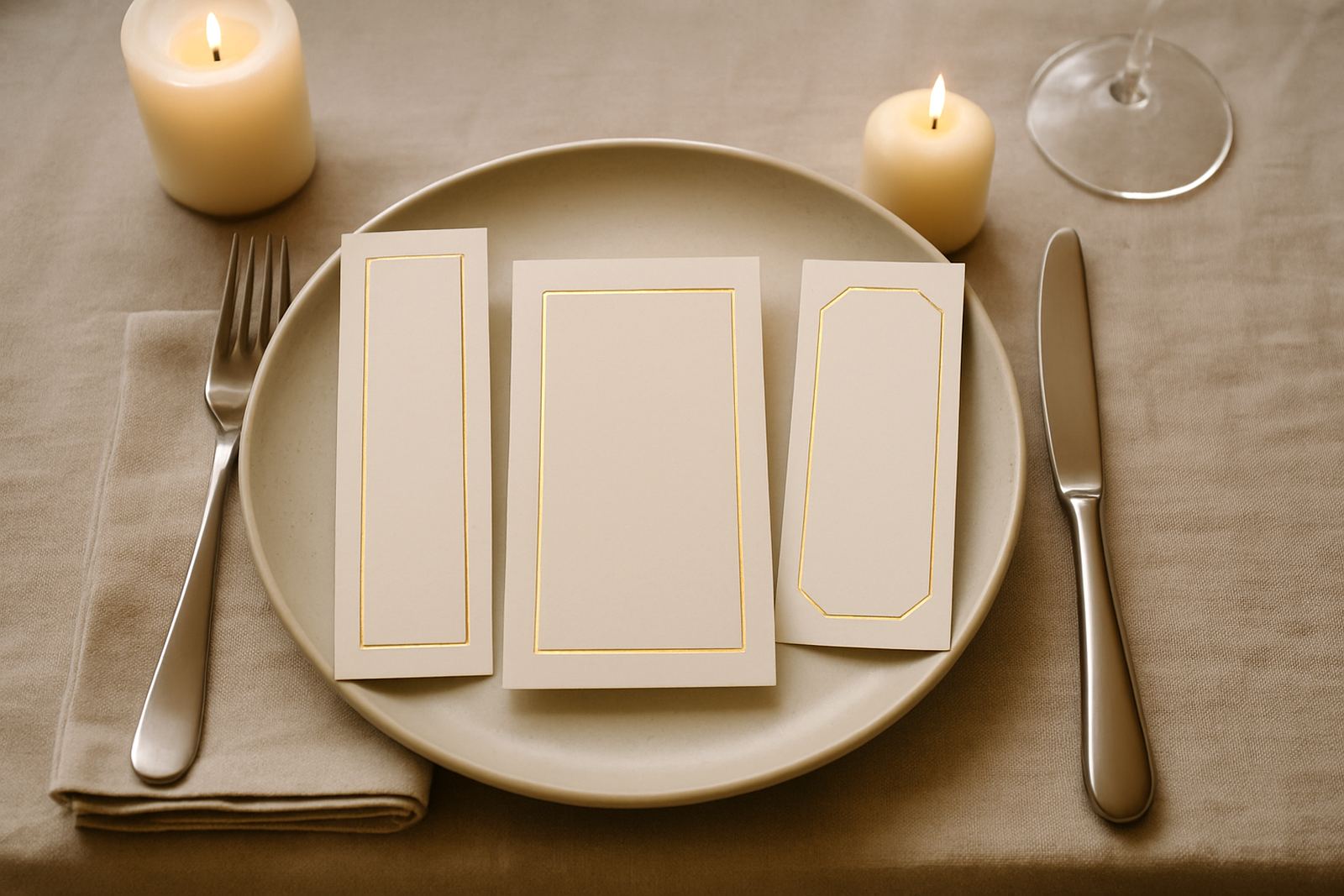
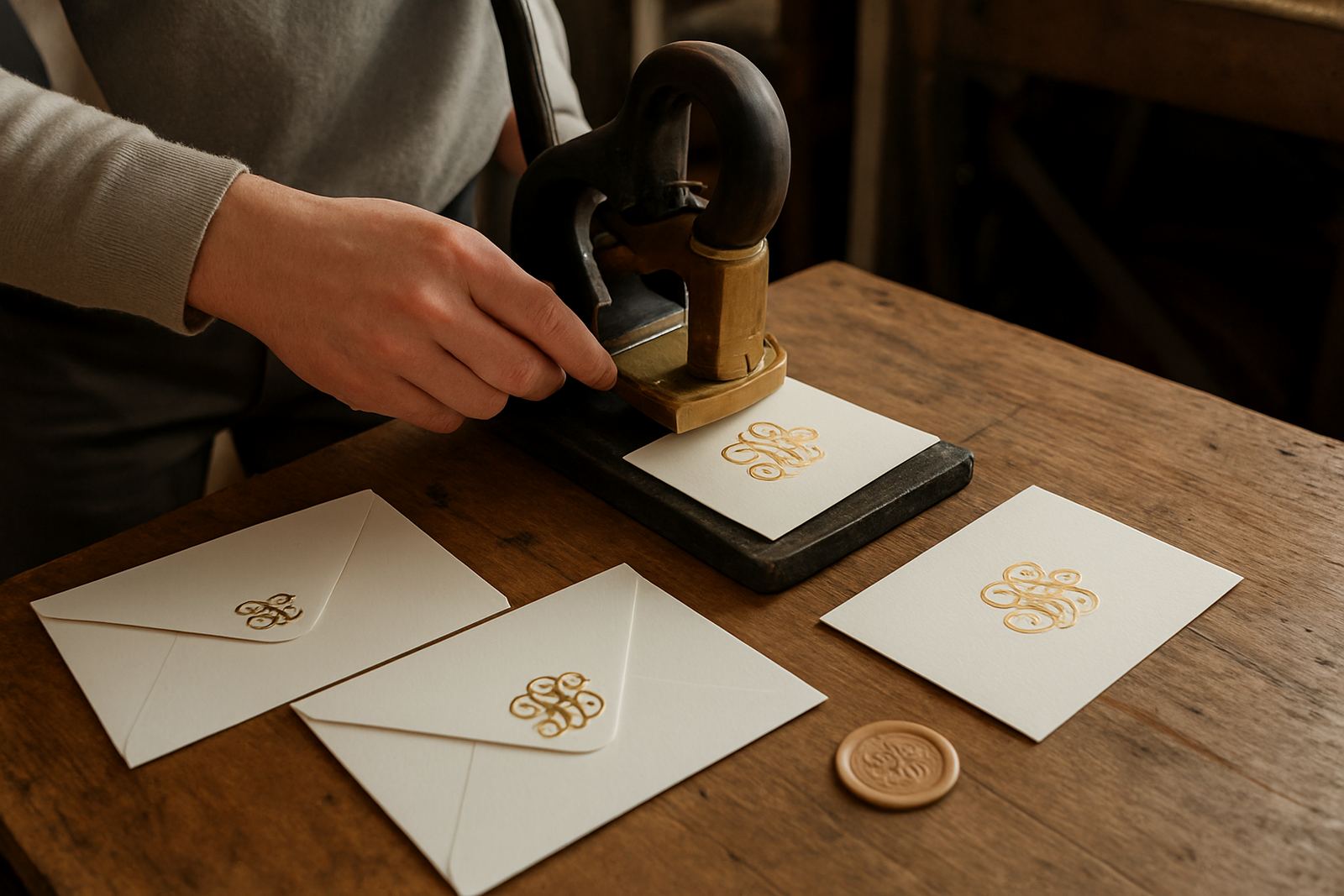
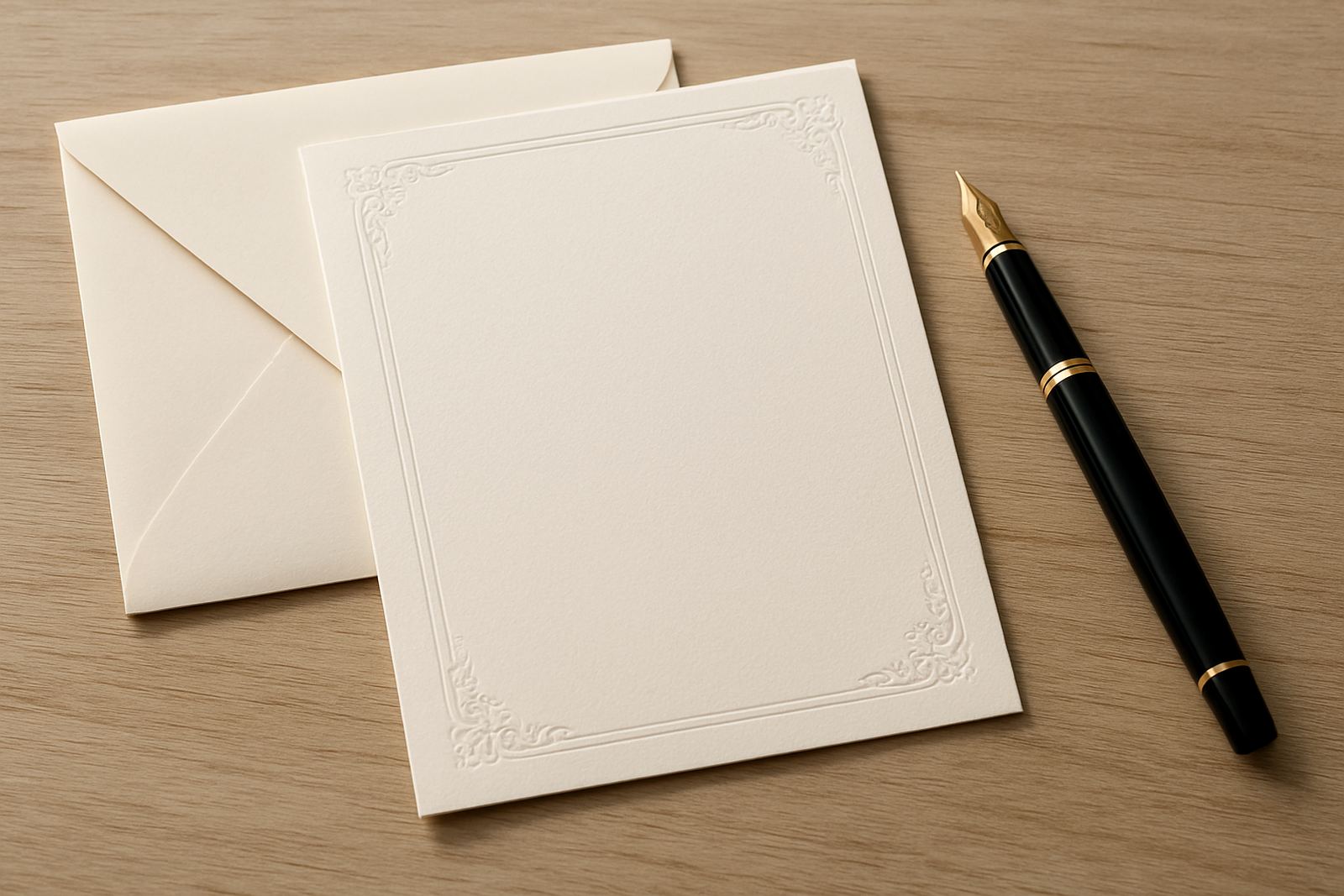
Formal wording does not stand alone. The typeface, spacing and finish all shape how the message feels. Wide margins, centred text and well chosen line breaks give the words room to breathe. Foil stamping can highlight names, dates or monograms without overpowering the invitation, while letterpress finishing gives the page a quiet depth that suits a more traditional style.
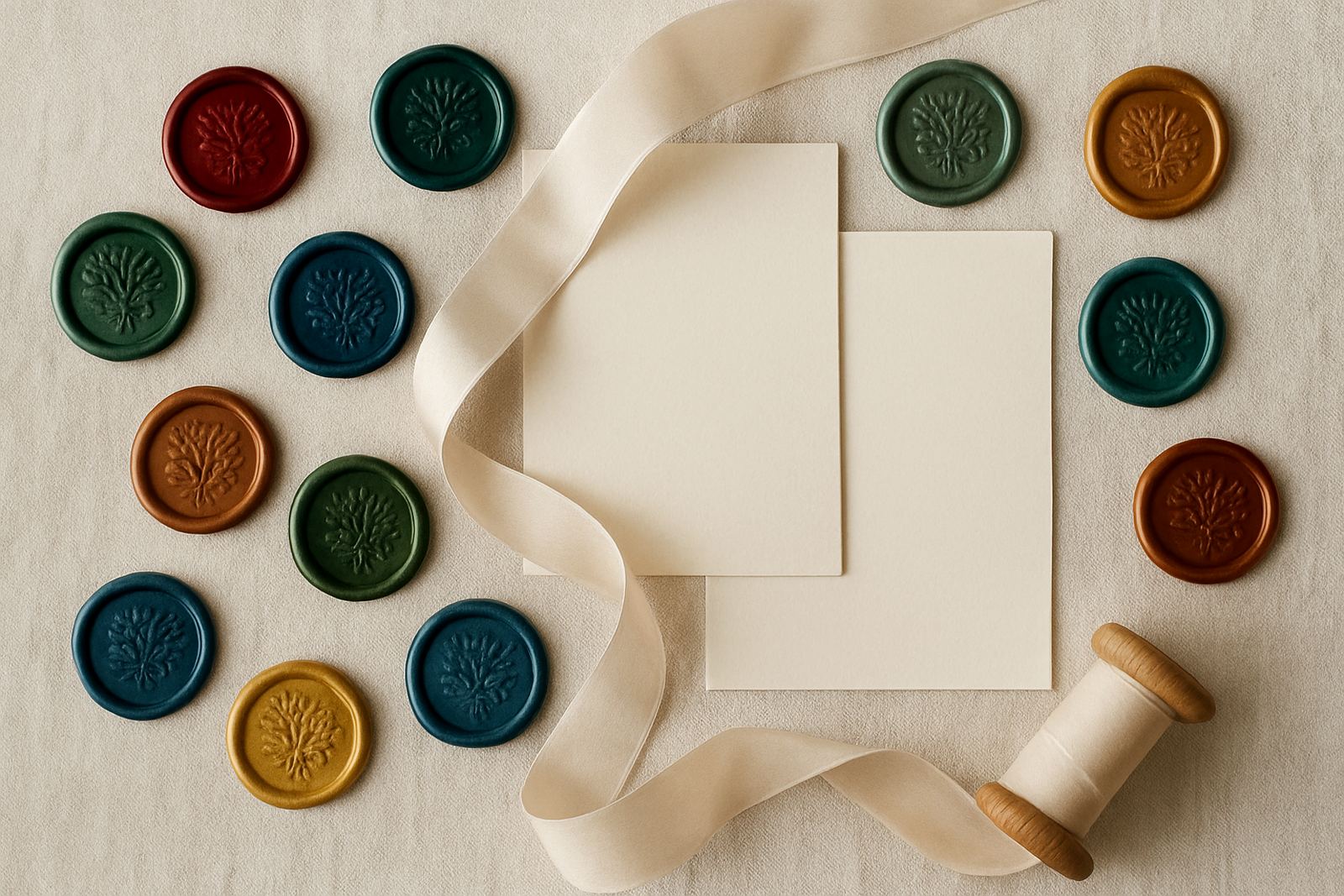
Paper choice matters too, especially in South African conditions. In coastal areas such as the Atlantic Seaboard, humidity can affect lighter stocks if they are stored badly, so it helps to use quality materials and keep finished suites properly packaged. For envelopes, colour matching and addressing need to be handled carefully so the outer presentation reflects the same standard as the wording inside. When invitations include wax seals, insert cards or gift packaging, the whole suite should feel like one complete thought, not a mix of separate pieces.
A Cape Town Example That Keeps It Local
Imagine a wedding couple hosting a formal winter ceremony in Woodstock, with guests coming from Stellenbosch, Somerset West and across Cape Town. The invitation can use classic wording, but it should still feel grounded in the local setting. A simple line about the venue, followed by a clear time and response date, is often enough. Guests appreciate certainty more than ornament.
That is where careful production helps. At Foil Stamping Studio, the team handles custom design, artwork proofing, envelope addressing, suite assembly and nationwide delivery, so the wording can be carried consistently from the main card through to the response details. Nadine van Wyk leads the studio with Lwazi Mokoena managing production, Anke Botha overseeing design, Reece Naidoo guiding clients, Nolwazi Masemola handling finishing and Mia Adams coordinating couriered delivery. When every part is checked properly, the wording reads as intended and the finished suite arrives ready for posting or hand delivery, no fuss.