

Start With the Question Guests Must Answer
The main job of an RSVP card is to get one clean answer: who is coming. Keep the wording direct so guests do not have to work out what to do next. For weddings and private events, a simple line such as "Please reply by 15 May 2026" is often enough when it sits with a clear response method on the invite or envelope. If you are collecting replies for a Cape Town wedding with guests travelling in from Paarl, Stellenbosch or the Atlantic Seaboard, clarity helps everyone plan transport and accommodation in good time.
Most reply cards only need a few details: names, whether the guest is attending, and any meal or dietary choice. If the event has a set guest list, say so politely. A phrase like "We have reserved places for the names listed below" keeps things tidy and avoids awkward extras later. It also helps when the cards are being checked during final seating, which saves time in a busy week before the event.
Choose RSVP Words That Sound Polite, Not Formal to the Point of Cold
There is no need for stiff language on a reply card. Warm, plain wording feels more natural and is easier to understand at a glance. Many couples use "Kindly reply" or "Please let us know" rather than longer sentences. That tone works well whether your stationery is classic, modern, or has foil stamping and letterpress finishing.
Here are simple phrases that work well on reply cards:
- Kindly reply by date
- Please respond by date
- We would be grateful for your reply by date
- Please let us know if you will be able to join us
- Kindly confirm your attendance
Keep the wording in one tone throughout the suite. If the invitation says "We request the pleasure of your company," the reply card should still stay easy to read. You want grace without sounding forced, and that balance is what makes the stationery feel considered.
Use Clear Response Options So Guests Do Not Miss Anything
The best reply cards guide guests with fixed options. A good layout can include tick boxes, circle choices or short fill-in lines. This helps avoid half answers like "maybe" or a phone call later asking what to do. If you are planning a wedding reception in Cape Town, where winter weather can change in one afternoon, a firm response deadline and a clear yes or no can make catering much easier.
Common response options include:
- Accepts with pleasure
- Regretfully declines
- Attending with one guest
- Meal choice: beef, chicken, vegetarian
- Dietary requirements
If children are invited, state that clearly rather than leaving guests to assume. A line such as "We have reserved seats for adults only" is kinder than leaving the issue unclear. Small wording choices like this prevent confusion and help families plan properly, especially when travel is involved from Somerset West or the Northern Suburbs.
Make Space for Names, Meal Choices and Special Notes
Reply cards often become crowded because couples try to include too many requests. The trick is to ask only for what you really need. A card with full names, attendance, meal choice and one small note area is usually enough. If you need information for place cards or final seating, use a clear line such as "Name(s) as they should appear on the seating plan".
For events with a plated menu, ask for meal choices in a way that is simple to complete. You do not need long descriptions. Instead, use a short list with spaces beside each option. If your venue has strict final numbers because of municipal or venue rules, a reply card with neat sections helps you hand over accurate counts on time. That matters when suppliers are arranging food, tables and stationery for a load-shedding aware setup or a coastal venue where packing and delivery times must be managed carefully.
Useful details to include only when needed:
- Guest name and surname
- Number attending
- Meal selection
- Dietary restrictions
- Any note for the hosts
Match the Wording to the Style of the Event
The wording on a reply card should reflect the event, not overpower it. A formal black-tie wedding may suit "Kindly respond by" while a relaxed garden celebration in the Southern Suburbs can use "Please RSVP by" in lighter language. What matters is that the wording feels in step with the invitation and the rest of the suite.
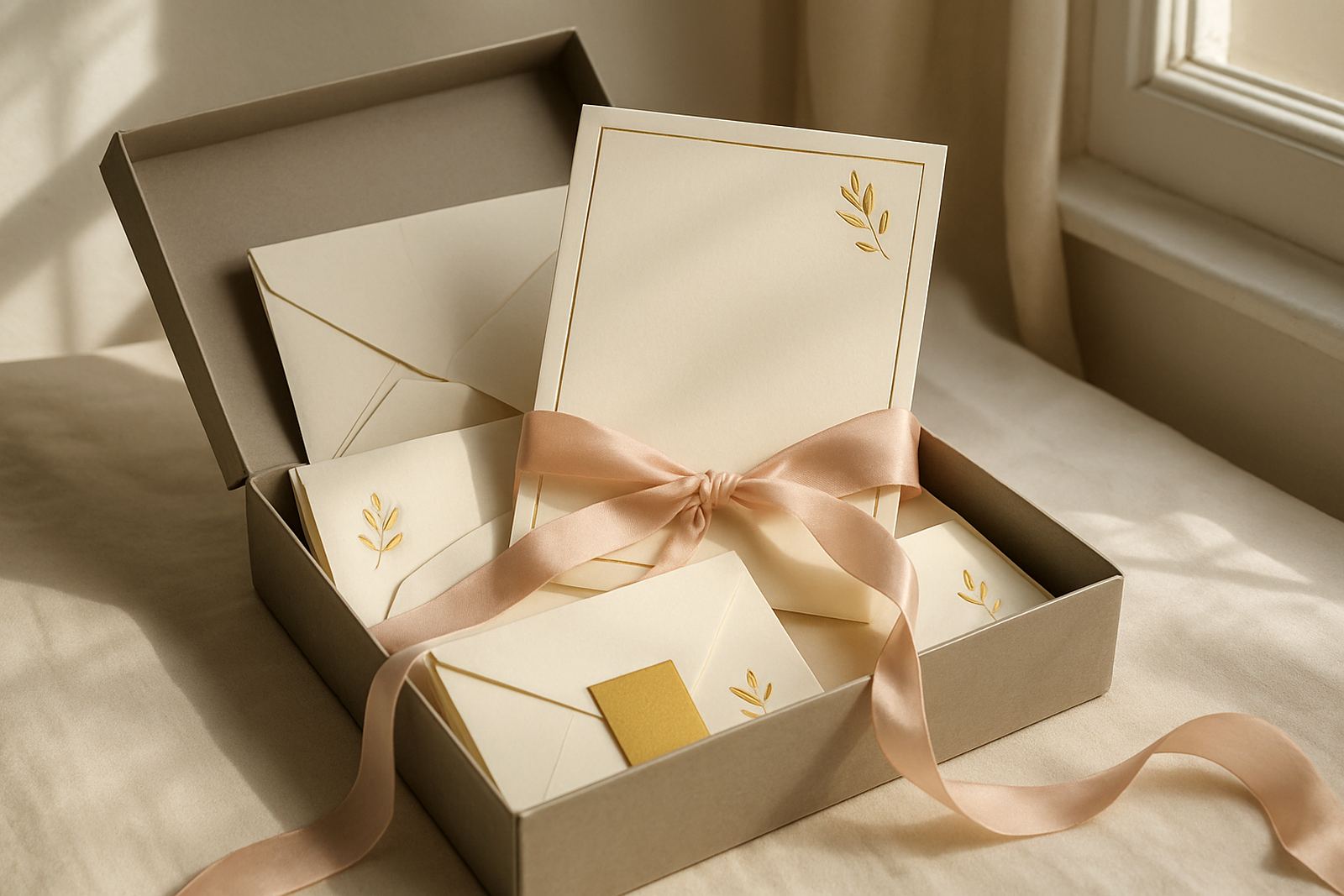
For destination guests, especially those coming from outside Cape Town, include practical reply wording that leaves little room for misunderstanding. A line like "Please reply by 10 March so we can finalise arrangements" is helpful when guests need to confirm travel, accommodation or child care. It is also worth keeping the wording short if the card is being tucked into an envelope with a wax seal or added to an invitation suite that already includes directions, timing and dress notes.
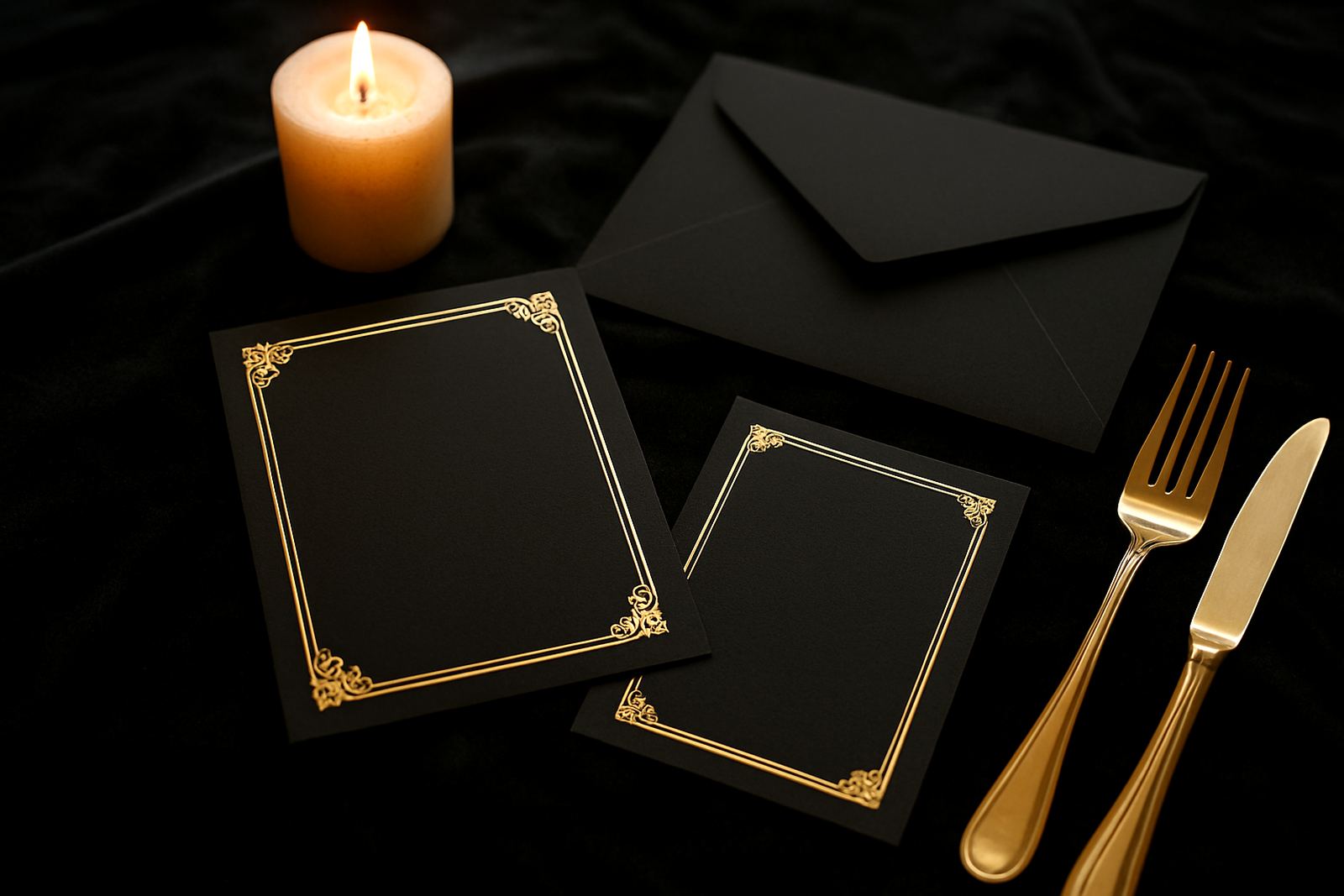
If your stationery uses foil stamping, the design may look refined, but the wording should still read easily. Elegant does not have to mean complicated. A clean card with one clear request often feels far more polished than a crowded one trying to say too much.
A Simple Cape Town Example That Gets the Job Done
Say you are hosting a wedding in Woodstock with guests arriving from the Atlantic Seaboard, Paarl and Stellenbosch. The reply card does not need a long message. It can simply ask guests to confirm attendance, note a meal choice, and reply by a set date. That is enough to help with catering, seating and final printing. A practical card might read: "Please reply by 12 June 2026. Name(s), attendance, meal choice and any dietary requirements."
This kind of wording is clear for guests and easy to manage on your side. It avoids confusion, keeps the tone courteous and works well whether the stationery is being assembled for a small family celebration or a larger formal event. When the wording is right, the card does its job quietly and properly, which is exactly what a reply card should do.
Before final print, read the wording out loud once. If you stumble, your guests probably will too. A short, clean reply card is the easiest one to complete and the easiest one to file when the responses start coming in.
Keep Your Wording Short Enough to Fit the Card
One of the most common mistakes is trying to fit every detail onto the reply card. If the text becomes crowded, the card starts to feel heavy and the important parts get lost. Keep the main wording to one request, then use neat labels for the answers. That gives the card breathing room and makes the print look more finished.
Good RSVP wording is not about sounding grand. It is about making life easier for your guests and your planner. When the reply card is clear from the start, the whole stationery suite feels better organised and the final guest count is less stressful to manage.