Kitchen tea stationery that sets the tone
A kitchen tea is often the first celebration in the wedding season, so the stationery should feel joyful without becoming too formal. For many clients, that means a softer colour palette, a clear invitation layout and a little foil detail on the names, border or motif. We often see kitchen teas held in Cape Town homes, garden venues and local coffee spots, with guests coming from across the city and beyond, so the invitation has to be easy to read and simple to RSVP to.
Our team usually starts with the guest list size, the venue type and whether the event is a sit-down lunch, a bring-and-share afternoon or a gift-opening celebration. From there we plan the format, paper weight and finish. Foil stamping works well on 300gsm textured stock or smooth board, while letterpress finishing suits clients who want a pressed-in feel. If the event is more casual, we can keep the suite light and clean with a single card and matching envelope.
For kitchen teas, the most useful items are often not the most complicated ones. A neat invitation, a matching RSVP card if needed, printed envelopes and a small insert for gift preferences usually cover the basics. If the bride prefers a coordinated look, we can add menu cards, table names, favour tags or a welcome sign for the day itself.
Paper, foil and finishes that suit the occasion
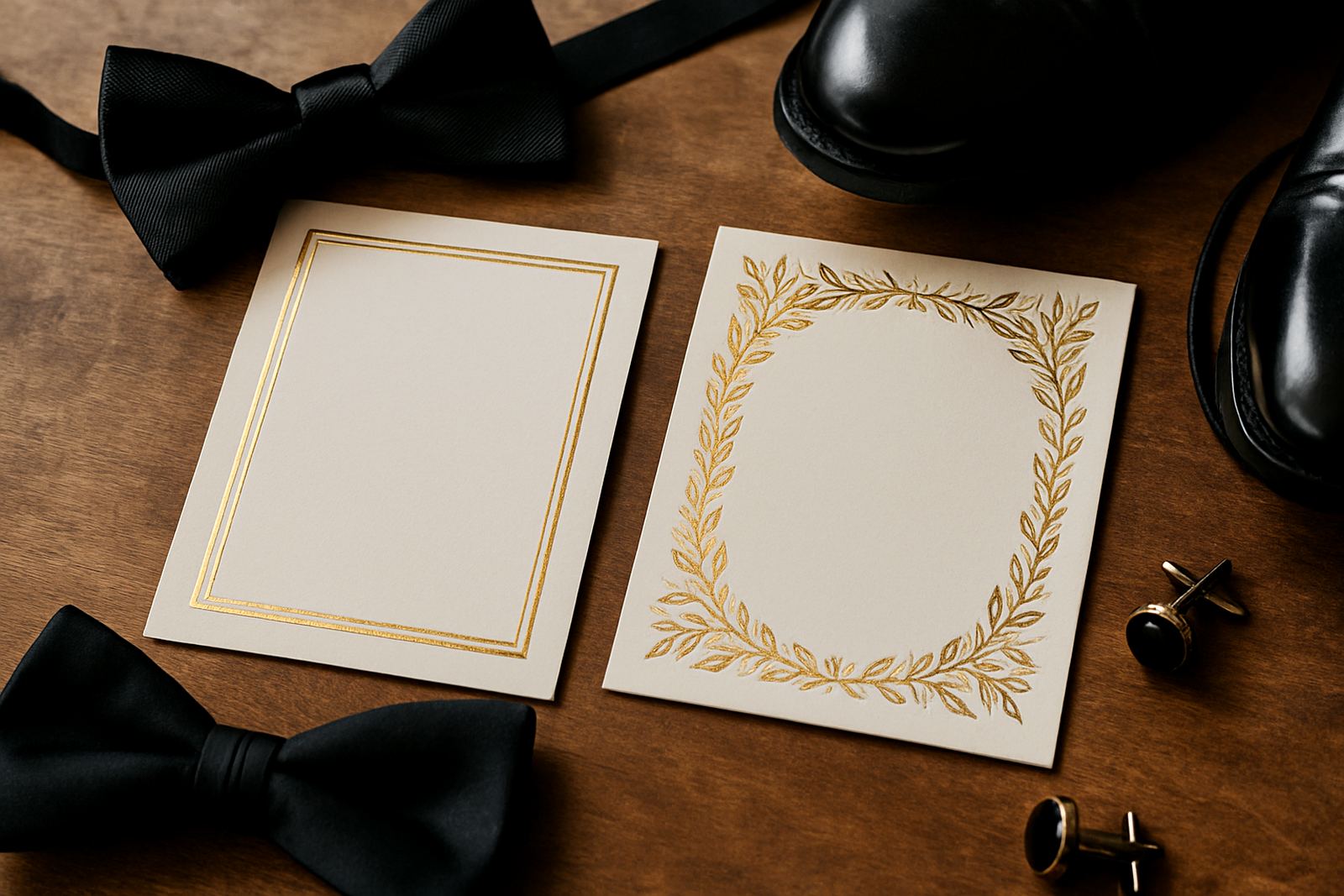
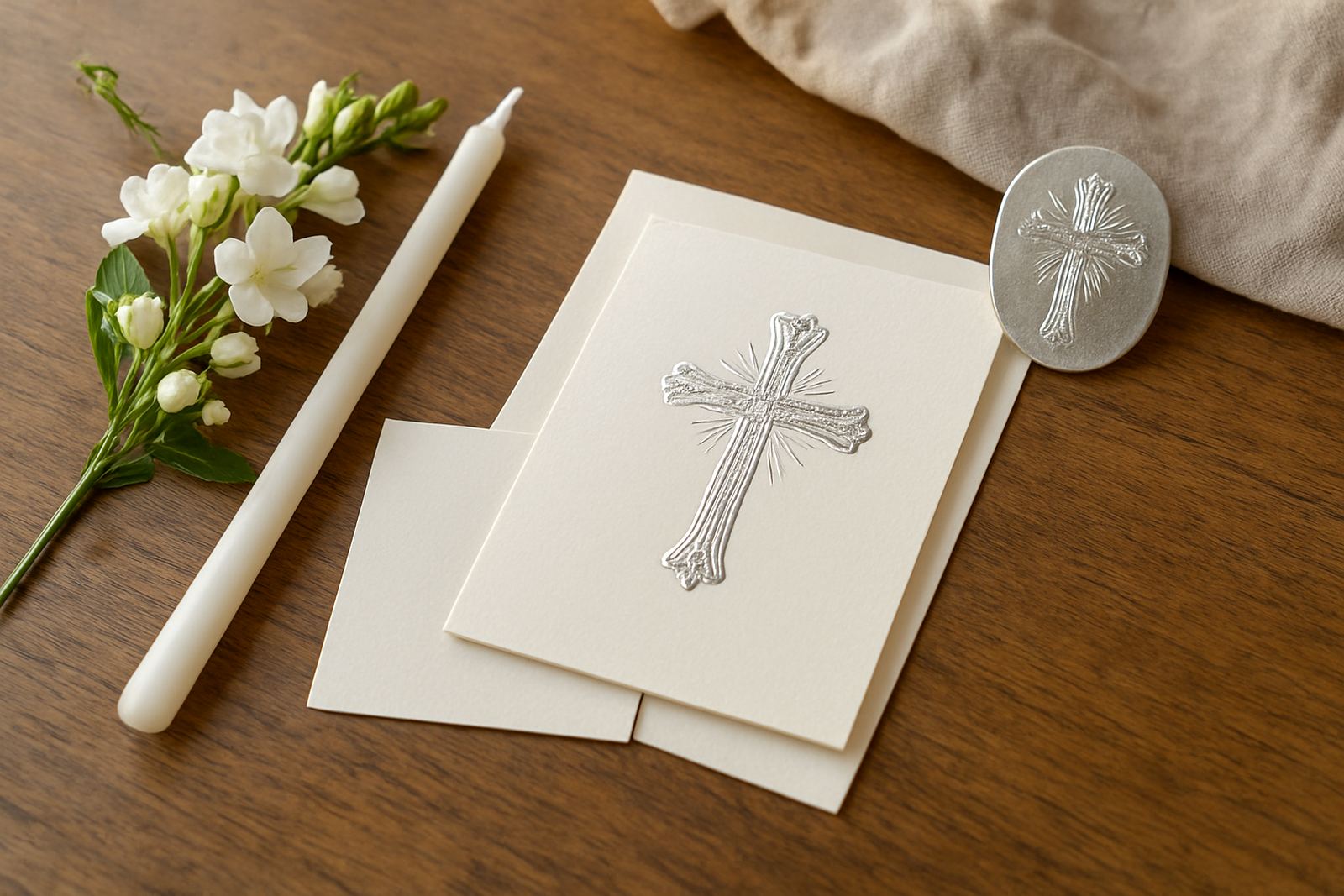
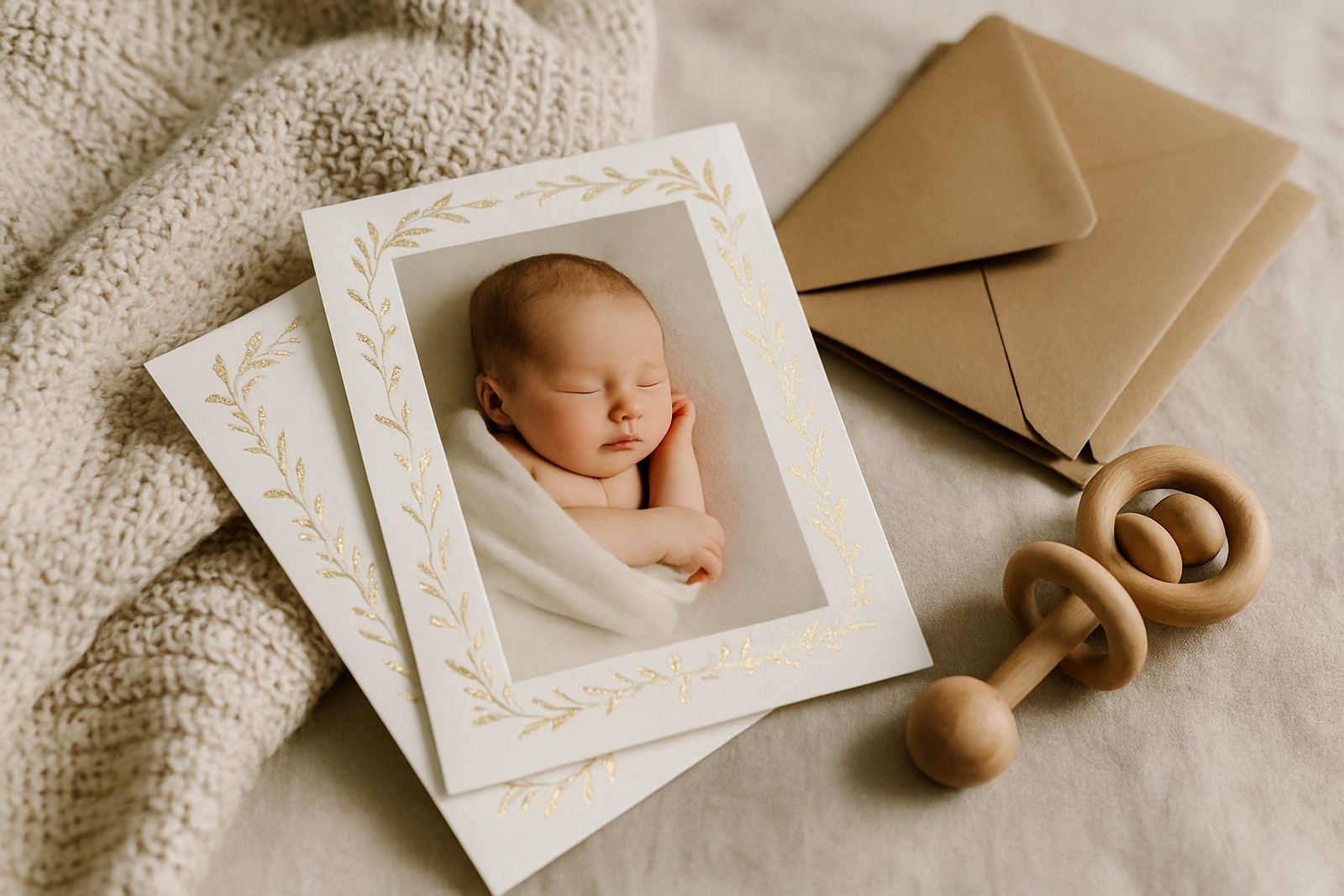
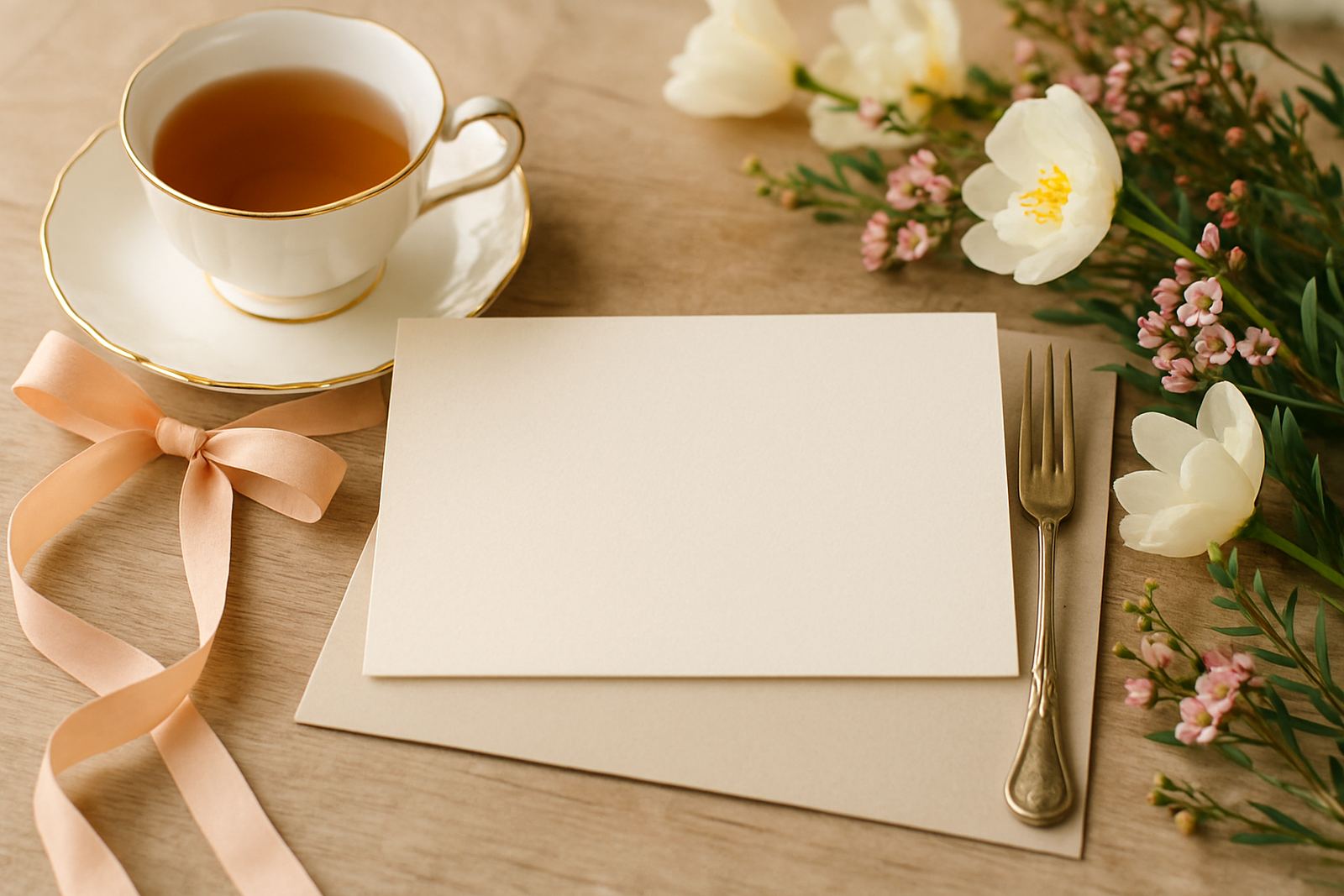
Kitchen teas do not need heavy, overworked stationery. The best results usually come from one strong idea carried through the suite. That might be blush foil on ivory paper, antique gold on sage, or rose gold on warm white stock. If the celebration leans modern, clean typography and a single foil accent can be enough. If it feels more romantic, floral artwork, soft embossing and layered card can add texture without making the piece too busy.
Paper sourcing matters more than many clients expect. In coastal areas like Woodstock and the Atlantic Seaboard, humidity can affect stock if it is stored too long before assembly. We keep materials flat, dry and cut to size only when production is ready. For kitchen tea invitations, we typically work with 250gsm to 350gsm papers, plus envelope stock that folds cleanly and seals properly. Heavier boards are useful for menus and signage, while lighter sheets work well for inserts and reply cards.
Colour matching is important when the stationery needs to echo flowers, tablecloths or a bridal palette. We can match pale peach, dusty blue, olive, cream, champagne and many other tones. The aim is to keep the suite cohesive so the invitation, envelope and on-the-day stationery all speak the same visual language. If the bride has already chosen colours for the wedding, we can carry those through to the kitchen tea too, even if the event is a separate celebration.
How we plan a kitchen tea suite from Woodstock
Our Woodstock studio handles kitchen tea stationery for clients across Cape Town, the Southern Suburbs, the Northern Suburbs, Stellenbosch, Paarl and Somerset West, with couriered stationery nationwide. The process is straightforward. Once the enquiry comes through, we confirm the guest count, date, wording and any design references. After that, the artwork is drafted and proofed before production begins. It helps to have the event details ready early, because most delays come from missing names, late venue changes or last-minute wording edits.
For kitchen teas, practical planning usually matters more than a large number of pieces. A single invitation set can still look refined if the layout is balanced and the finishing is well considered. Some clients want very little more than the invitation and envelopes, while others need a full suite with suite assembly, addressing and gift packaging. If the event includes a seated meal, we may also recommend place cards, menu cards and table numbers so the day runs smoothly.
Load-shedding and print scheduling can affect turnaround, so it is wise to leave enough time for proofing and finishing. A simple kitchen tea suite can often be handled within 2 to 3 weeks, depending on the quantity and finish. More detailed suites, especially those with wax seals, address printing or multiple inserts, are better planned 3 to 5 weeks ahead. This gives enough room for adjustments without rushing the final result.
Common mistakes with pre-wedding stationery
One of the biggest mistakes is trying to fit too much into one invitation. Kitchen tea stationery works best when the message is clear and the layout has breathing room. Too many fonts, too many colours or too much text can make a lovely idea feel cluttered. Another common issue is choosing paper that looks good in a sample but does not suit the actual finish. Some stocks take foil beautifully, while others show texture that can affect very fine wording.
Another point to watch is courier timing. Clients often forget that stationery sent to outlying areas or farm venues needs a little more lead time, especially if there are multiple parcels going to different family members. It is also easy to leave envelope addressing until the end, then run out of time when the invite list changes. We advise finalising names early, then checking spellings against the list before print approval. Even one small error can mean reprinting, which adds cost and slows the schedule.
For hosts planning on a tighter budget, it is better to reduce the number of pieces before reducing the quality of the main invitation. A well-made single card with a neat envelope will always feel better than a bulky suite printed on thin paper. If budget allows, add a matching insert or a small wax seal. If not, keep the design simple and let the paper and print finish do the work.
Budget ranges for kitchen teas in Rand
Kitchen tea stationery budgets vary quite a lot, depending on the number of guests, the finish and whether you need assembly. A simple suite for a small gathering can be quoted per job, especially if the order is limited to invitations and envelopes. Mid-range sets with foil stamping, inserts and colour matching is quoted per job. If you want a fuller presentation with wax seals, address printing, suite assembly and on-the-day pieces, the total can be quoted per job and above. Ask for a quote
As a rule, the unit cost drops when quantities increase, but the finishing choices matter just as much. A 20-piece order with detailed foil and addressing can cost more per item than a 60-piece order with a simpler layout. Clients in Cape Town often choose to spend more on the invitation itself and keep the day stationery modest, while clients hosting larger family events sometimes prefer to spread the budget across the invitation, table pieces and gift packaging. We can help set priorities so the spend stays sensible.
If you are planning a kitchen tea with a wedding budget already under pressure, it is worth deciding early where stationery sits in the overall costs. Courier, proofing and any special finishing should all be included from the start. That makes it easier to compare options and avoid surprise extras later. We work with clients who want a polished result without unnecessary add-ons, and that often gives the best value in the end.
What to include for a polished kitchen tea day
When the event is close and the invites are out, the focus moves to the small details that make the day feel orderly. For a kitchen tea, this often means table cards, menu cards, favour tags and a welcome sign at the entrance. If gifts will be displayed on one table, a simple label or card can help guests place items correctly. If there is a raffle, game or toast, a printed prompt card keeps things moving without fuss.
Clients hosting in venues around Cape Town or at home in the suburbs often prefer stationery that can be reused or repurposed after the event. A framed welcome sign, for example, can go home with the bride as a keepsake. Menu cards and name cards can be saved as part of a wedding memory box. The same applies to wax seals and foil details, which hold up well when stored properly out of direct sun and damp conditions.
Whether the event is intimate or a larger celebration, the best kitchen tea stationery is the kind that looks considered from the first envelope to the last place card. It should make the host feel organised, the guests feel welcome and the bride feel properly celebrated.