
Start With The Invitation Card Size
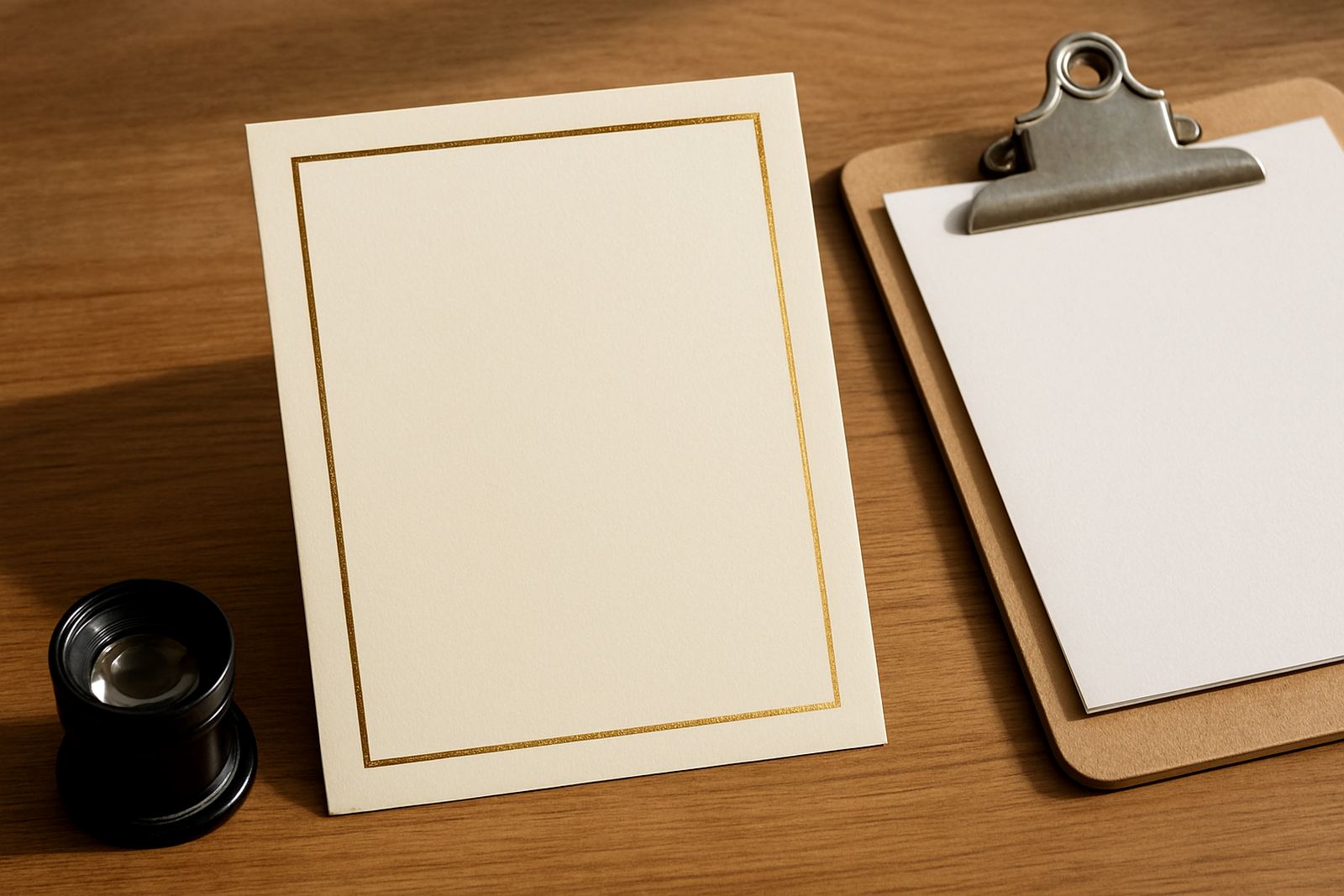
The envelope should be chosen after the invitation size is finalised, not before. A card that measures 148 x 210 mm needs a different envelope from an A6 or square format, and even a few millimetres can affect the fit once the card, insert cards and tissue wrap are all inside. If you are planning foil stamping, letterpress finishing or thick board stock, allow a little extra space so the suite slides in without bending at the corners.
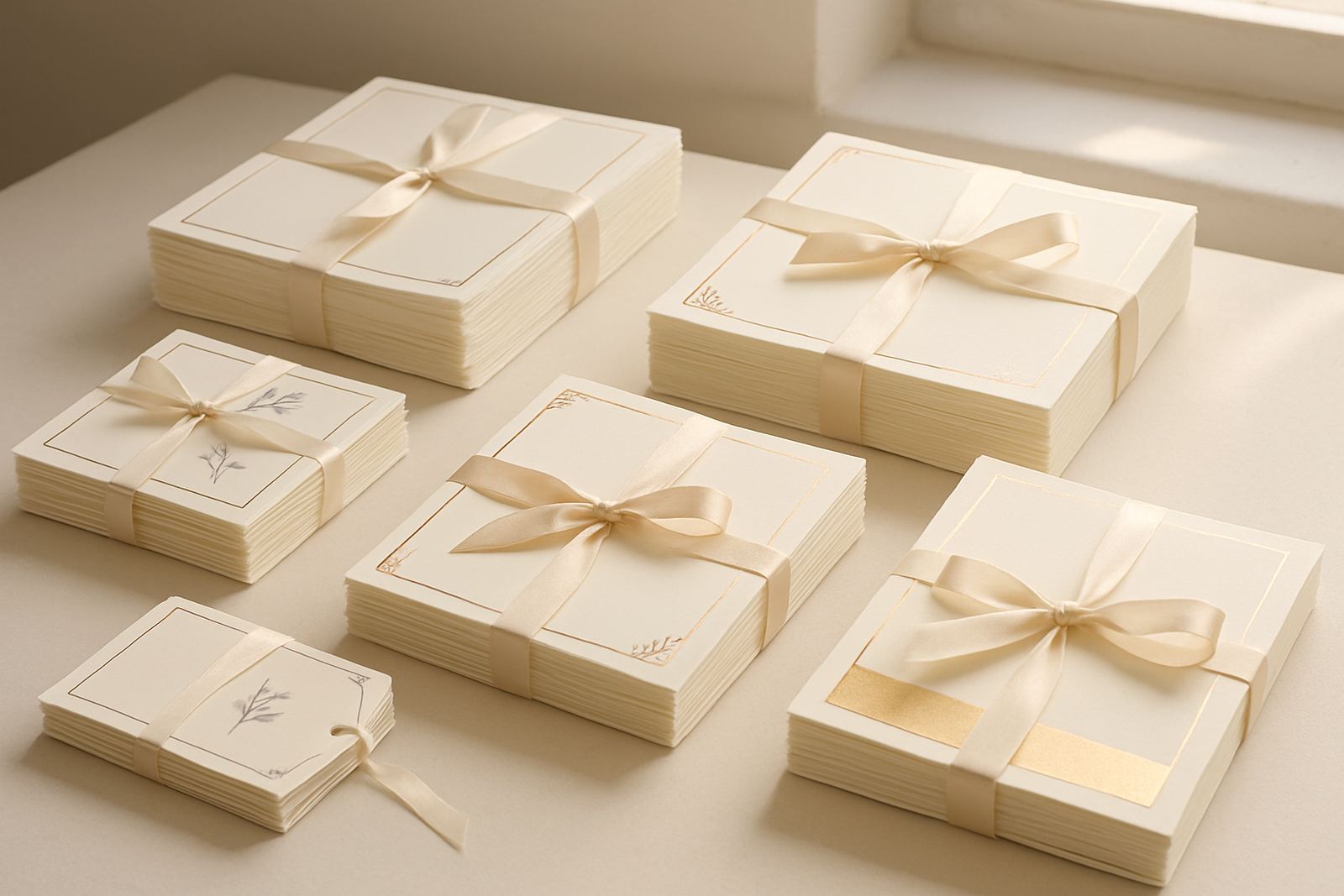
For weddings in Cape Town, Johannesburg, Durban or smaller towns sent by courier, we usually suggest checking the full suite thickness early in the process. A single invitation with one RSVP card may suit a slim pocket envelope, while a full set with map, menu and wax seal needs more room. If the envelope is too tight it can crease in transit, and if it is too loose the contents shift around and look untidy.
- Measure the main invitation card first.
- Add all inserts before confirming the envelope size.
- Check whether the suite includes wax seals, ribbons or belly bands.
- Allow room for hand insertions and courier packing.
Choose Colours That Match The Mood
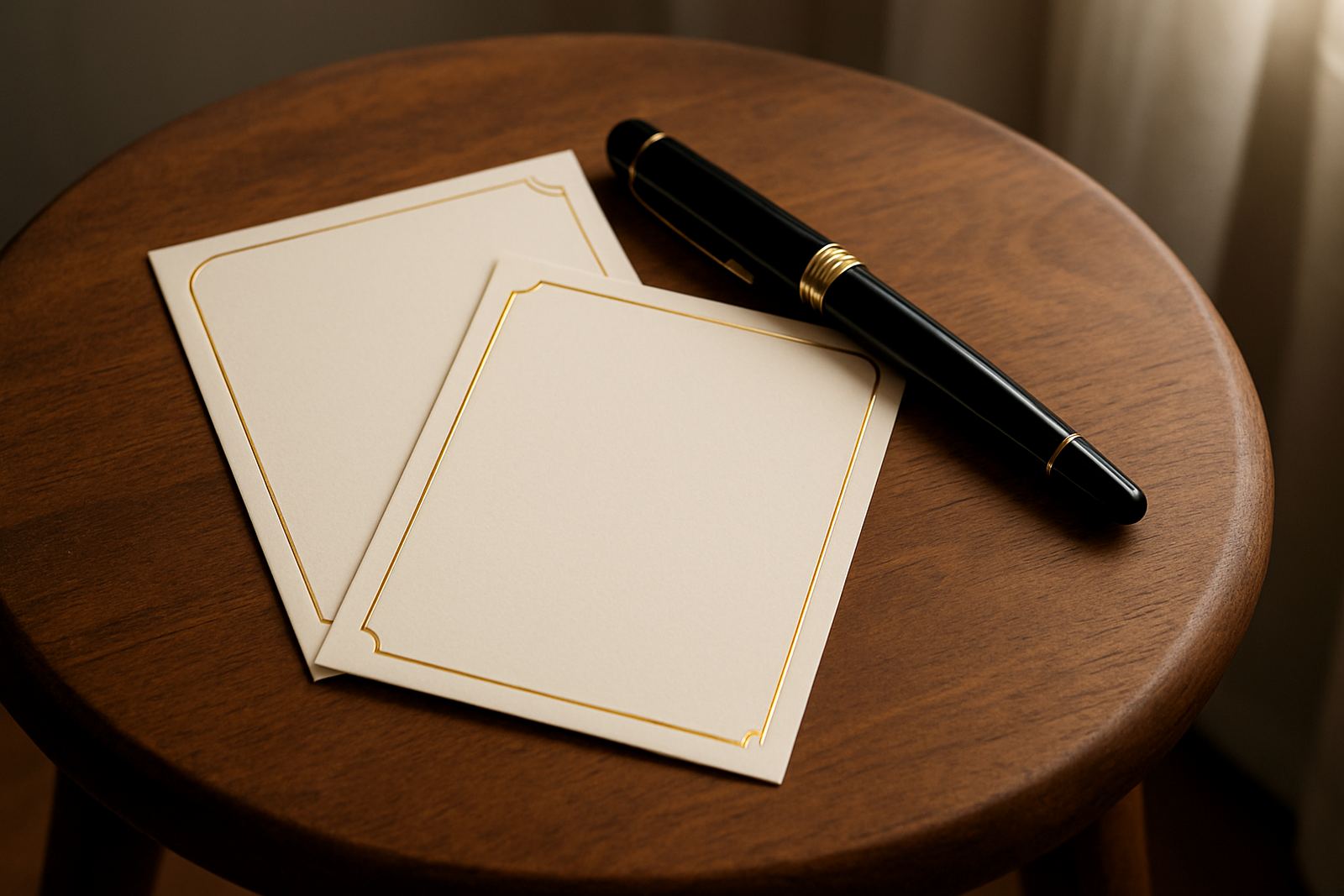
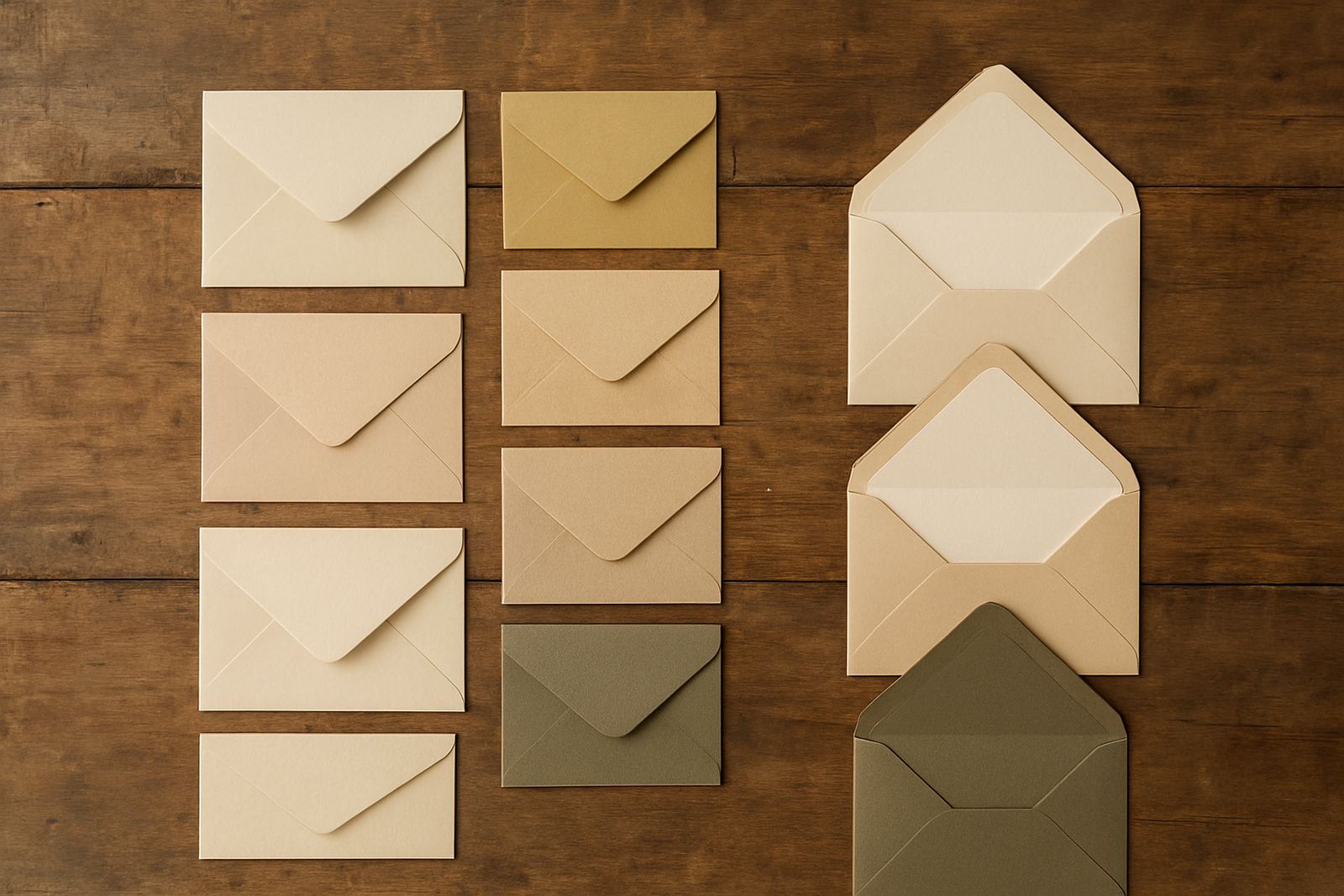
Envelope colour sets the tone before the invitation is even opened. Soft whites, warm creams and muted blush shades feel formal and timeless, while charcoal, deep green or navy can work well for evening events and winter weddings. If your invitation carries metallic foil, it helps to choose an envelope colour that supports the finish rather than competes with it. A pale envelope with gold foil gives a classic look, while a darker envelope with copper or silver detail can feel more dramatic.
For coastal celebrations in places like the Atlantic Seaboard or Somerset West, clients often lean toward clean neutrals with subtle texture. Inland weddings sometimes suit richer colour choices, especially when the décor uses deeper tones. We also look at practical matters such as visible dust, coastal humidity and whether the envelope will travel in a courier bag before it reaches your guest. A darker colour can show scuffs more easily, so handling and packing matter.
- Match the envelope tone to the invitation palette.
- Consider the event venue, season and formality.
- Ask how the colour will look under warm indoor lighting.
- Check whether the finish hides or shows marks during delivery.
Pick A Liner That Adds Weight And Interest
Envelope liners are one of the simplest ways to make a suite feel complete. They can introduce pattern, a second colour or a metallic detail without changing the outer envelope. A printed liner works well when the invitation artwork includes florals, monograms or custom motifs. Plain coloured liners suit more restrained stationery and are often easier to coordinate when the suite has many parts.
When we assemble envelopes in Woodstock, we pay attention to how the liner folds at the flap, because a neat fit makes a real difference once the guest opens it. A liner should sit flat and not bunch at the corners. If the invitation is already heavy, the liner paper must not make the envelope too bulky for postal handling. In South Africa, courier services are usually more forgiving than standard post, but it is still best to keep the finished pack tidy and secure.
- Use printed liners for custom artwork or venue illustrations.
- Use plain liners when the suite already has strong colour.
- Test the thickness before ordering the full set.
- Make sure the liner does not wrinkle when the flap closes.
Addressing Styles: Printed, Handwritten Or Mixed
Addressing is both practical and personal. Printed guest names and addresses give a crisp, formal finish and are useful when there are many envelopes to prepare. Handwritten addressing feels more personal and suits smaller guest lists, especially for intimate weddings. Some clients choose a mix: printed outer addressing for consistency, with handwritten name additions or notes on the inner envelope. It all depends on the tone of the event and the time available.
It is worth checking spelling and title formats before production starts. Names with double surnames, hyphens, prefixes and titles can be easy to misread if the guest list is not final. We also recommend confirming whether you want full street adress details, only names, or a more formal layout with family titles. The style should be easy to read at a glance and match the rest of the suite.
- Decide whether addressing should feel formal or relaxed.
- Check every guest name against the final list.
- Choose one format for titles and surnames.
- Keep the font size readable for older guests.
Plan For Mailing, Couriering And Insert Weight
Envelope choice also affects delivery. A suite couriered from Cape Town to the Southern Suburbs, Paarl, Stellenbosch or further afield needs enough protection so the corners stay crisp. If you are mailing locally, weight and thickness can affect postage costs. For heavier sets, we advise checking the final packed weight with the envelope, liner, invitation, RSVP card, belly band and any seals included. This helps avoid surprises later.
Climate matters too. In damp coastal conditions, adhesives and envelopes should be handled carefully so they do not curl or pick up marks. During load-shedding, finishing and packing schedules may need a bit of planning ahead, especially if guests are receiving invitation sets in phases. The safest approach is to keep the suite flat, dry and stored in a cool room until it is ready for assembly. A little extra care goes a long way.
- Weigh a finished sample before printing the full order.
- Check that the envelope seal is secure for courier travel.
- Store completed sets away from heat and moisture.
- Allow extra time for assembly before posting or hand delivery.
Final Envelope Checklist Before You Order
Before sign-off, it helps to run through a simple checklist. Confirm the envelope size against the invitation dimensions, then check the colour in natural light and under indoor lights. Look at how the liner sits, how the addressing will be read, and whether any wax seals or closures will affect the flap. If the suite includes multiple inserts, make sure the envelope still closes neatly without forcing the contents.
For clients working with us from Woodstock, Cape Town and across South Africa, this final step saves time later. It keeps the suite consistent, makes packing easier and reduces the risk of damaged corners or returns. If you are unsure, request a proof with the full envelope layout before production. That gives you a clear view of the finish, and lets you make changes before everything is committed.
- Confirm size, colour and liner together.
- Check the envelope with all inserts inside.
- Review the guest addressing format.
- Approve the final layout before production begins.