
Start With the Main Card and the Purpose of the Suite
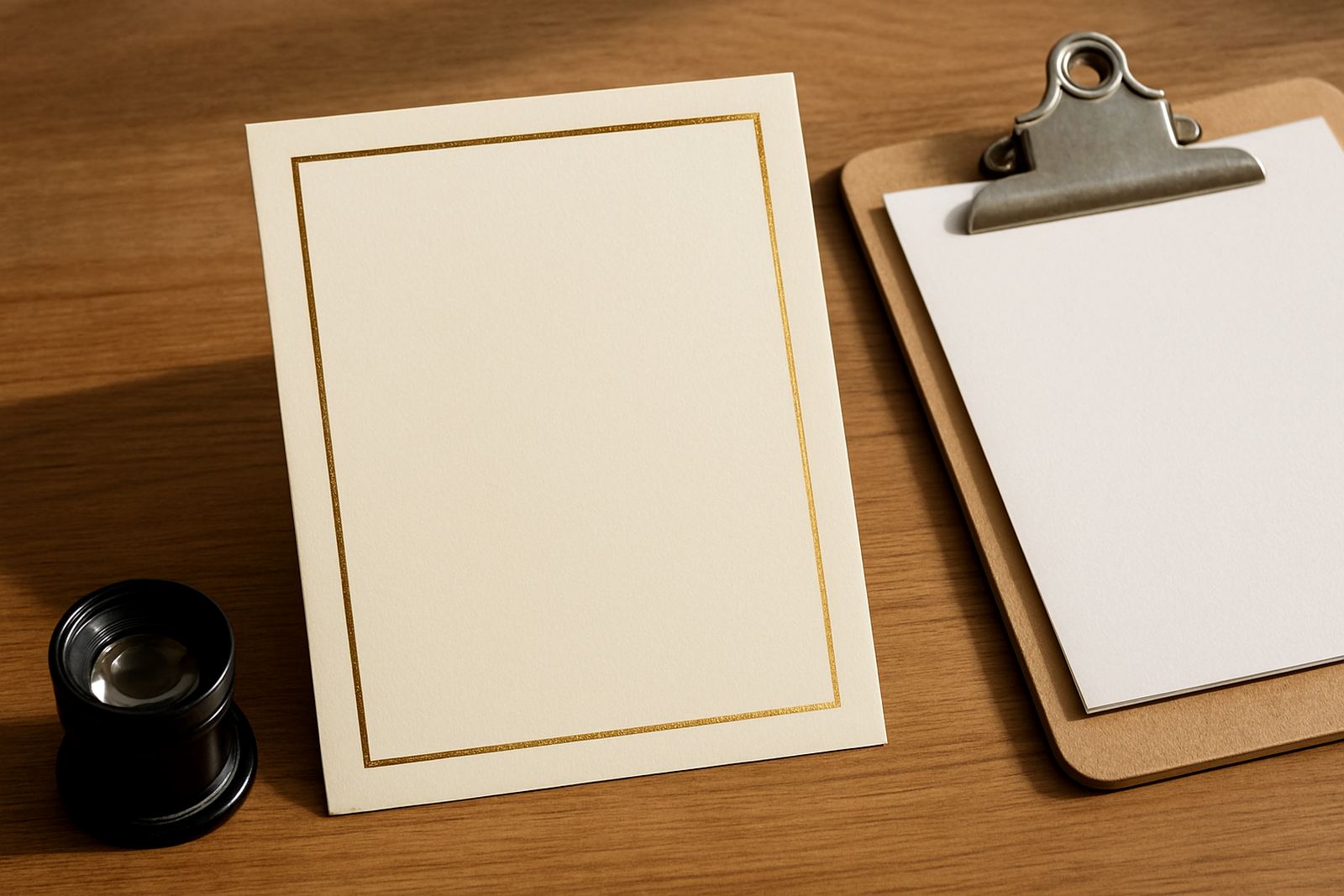
The main card is the piece your guests notice first, so it should carry the core details in a clear layout. For weddings, that usually means the names, date, venue, time and RSVP method. For events such as showers, birthdays or corporate functions, the main card needs to set the tone and give the key facts without crowding the page.
Before adding extras, decide what the suite must do. Is it giving simple invitation information, or does it need to guide guests through travel, accommodation, dress code and gift notes? Once the purpose is clear, the rest of the suite becomes easier to plan and you avoid paying for inserts you do not need.
- Check the event type and the level of detail required
- Choose a card size that suits your wording and design style
- Keep the most important information on the first piece
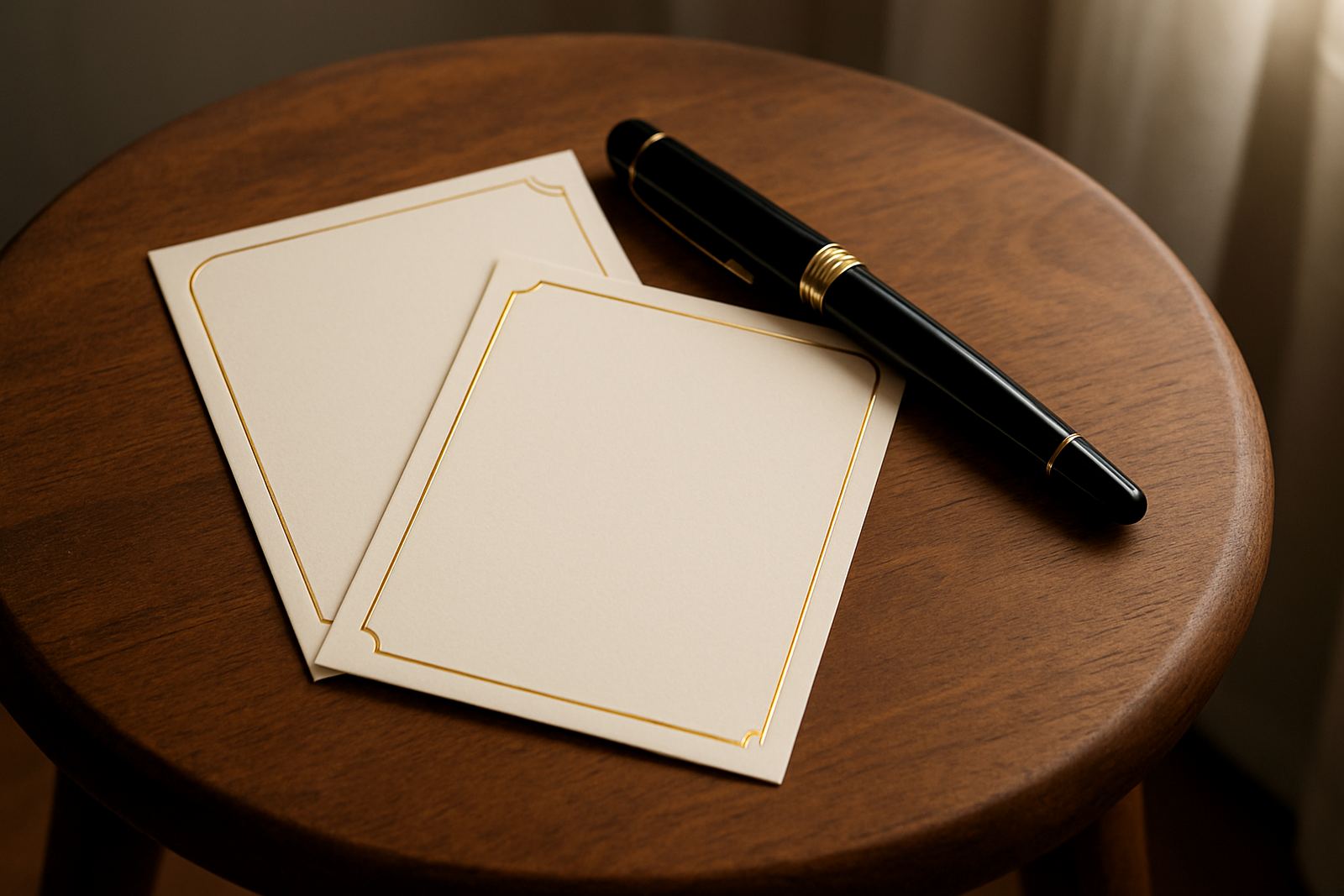
- Leave room for foil, borders or decorative spacing
Choose Inserts That Earn Their Place
Inserts are useful when the main card would otherwise feel too full. They help keep the suite neat and make the information easier to read. A separate insert can cover accommodation, directions, transport, registry notes, menu choices or a schedule for the day.
A good rule is to add only what guests will actually use. If the venue is simple to find in Woodstock or Stellenbosch, a map may be unnecessary. If you have out of town guests coming from Gauteng or the Garden Route, a travel insert can save a lot of back and forth later. For a formal wedding with multiple events, separate inserts often work better than one long card because each detail stays visible.
- Accommodation card for guests travelling in
- Direction card for rural venues, estates or farms
- RSVP card for reply method and meal choices
- Details card for dress code, gift notes or timing
- Weekend schedule for welcome drinks, ceremony and brunch
Match the Suite to Your Guest List and Venue
Guest list size and venue type have a direct effect on what you need. A small ceremony in the Southern Suburbs may only need one main card and an RSVP insert. A larger celebration on the Atlantic Seaboard or at a winelands venue often needs a fuller suite because more guests are travelling, parking is tighter and the day may run across several locations.
Think about the practical side as well. Coastal humidity can affect certain papers if they are stored badly, so it helps to keep all pieces flat and dry before assembly. If your event is during load-shedding season, allow extra time for proof approval and production planning. That small bit of forward planning saves stress when final guest numbers are still moving around.
- Small guest list: keep to the main card plus one insert
- Large guest list: use separate cards for travel, RSVP and extras
- Formal venue: consider wax seals or finishing touches for presentation
- Destination guests: include parking, maps and local stay notes
Plan Sizes, Paper and Finishes Before You Approve Artwork
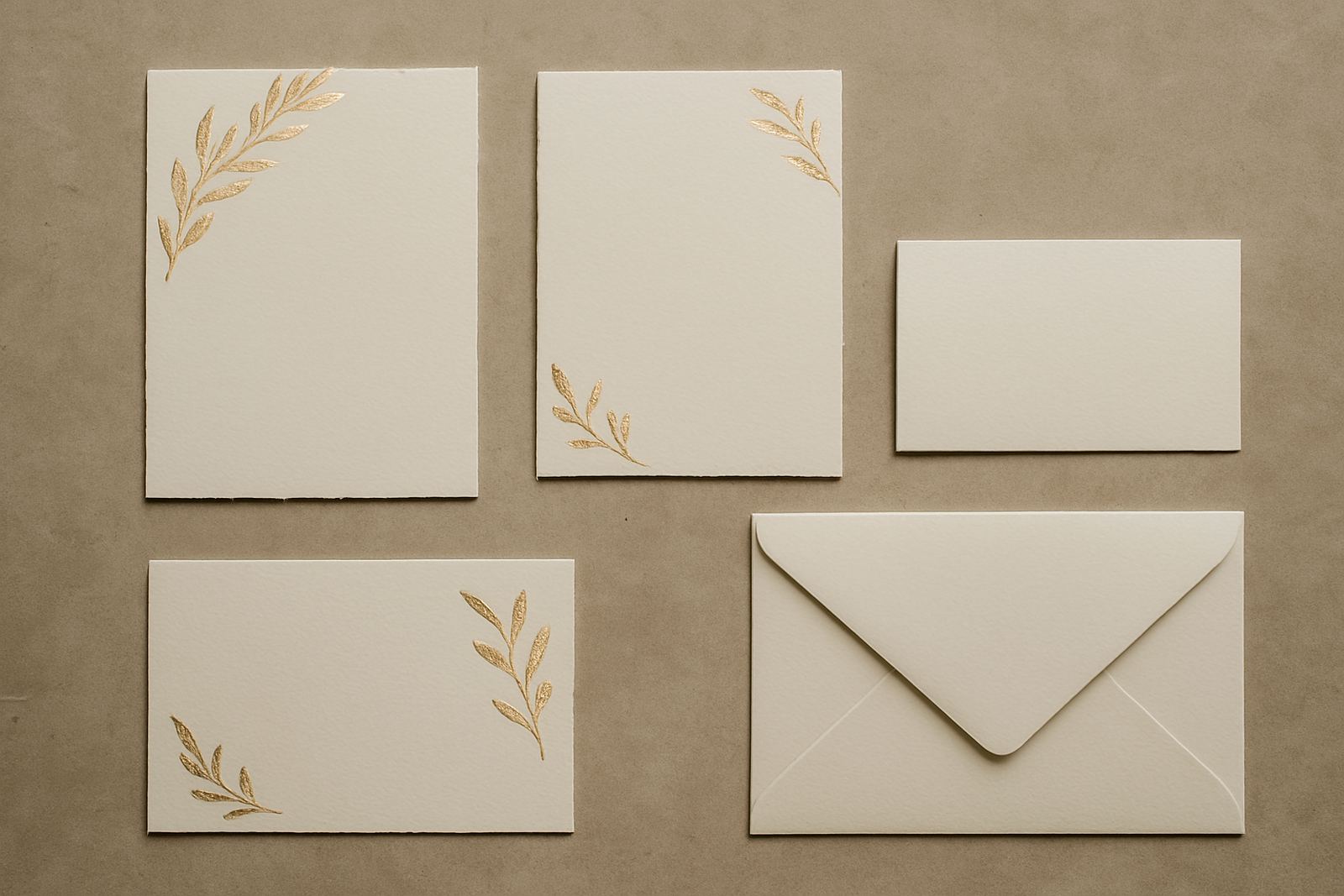
Once the content is settled, choose the physical combination of sizes and paper weights. A heavier card feels more substantial, while a lighter insert can keep the suite from becoming too bulky. Paper sourcing matters too, because the texture and shade change the way foil stamping and letterpress finishing show on the page.
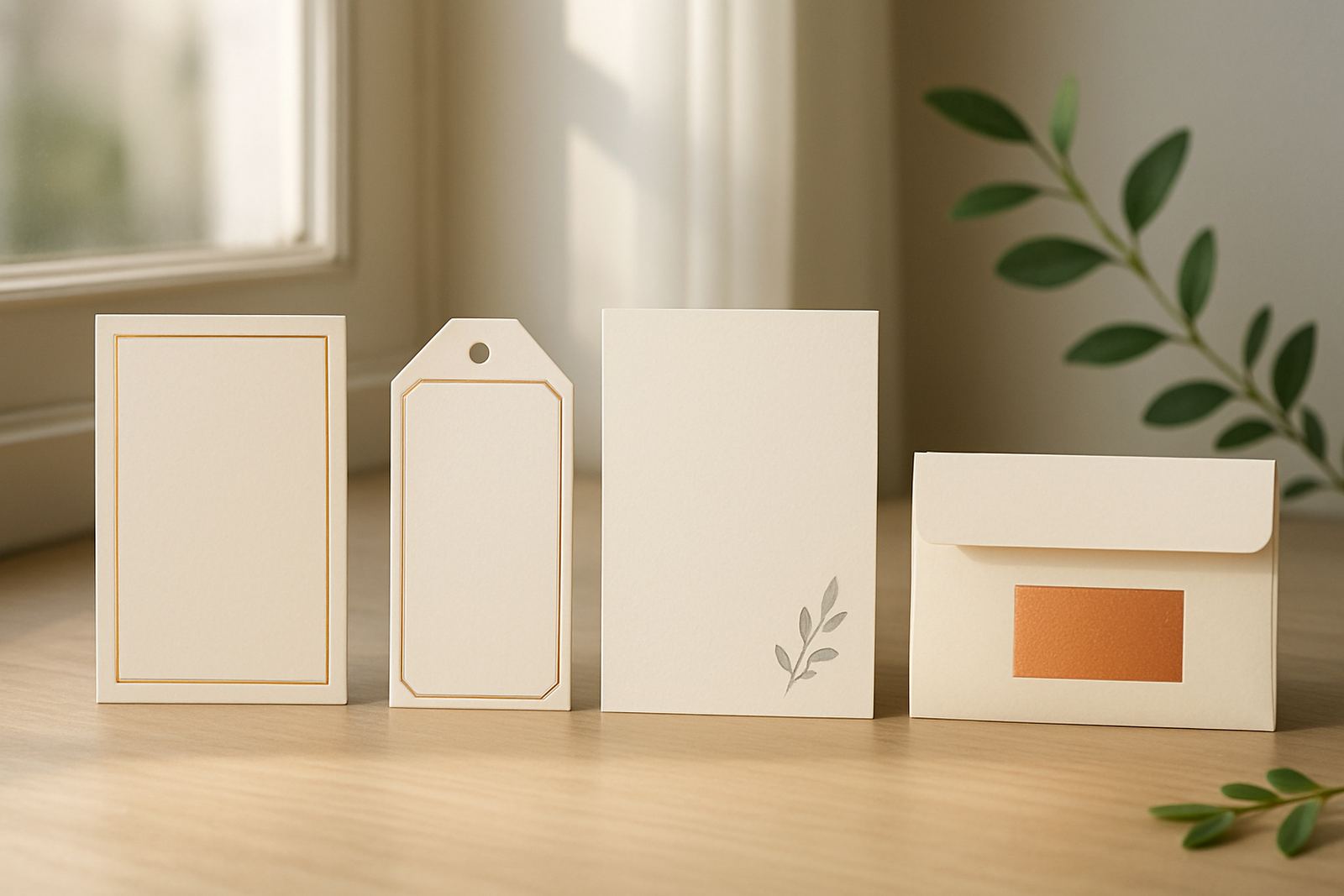
We recommend deciding on the suite structure before artwork proofing begins. That means confirming which pieces will be A5, A6, DL or custom sized, whether envelopes are needed, and how the assembly will work. If you are adding envelope addressing or gift packaging, those details should be included from the start so the final pack feels consistent, not pieced together at the end.
- Choose a main card size that suits the wording block
- Confirm insert sizes so the suite stacks neatly
- Check that paper colour matches the design mood
- Allow space for foil, embossing or letterpress pressure
- Decide if envelopes need inner liners or addressing
Use a Simple Checklist Before Sending Your Brief
A clear brief saves time for everyone. When clients send details in one go, it is easier to prepare a clean layout, avoid spelling errors and keep the suite aligned across all cards. This is especially useful when you are balancing wedding plans, suppliers and family opinions, which can get busy very quickly.
Before you send your information, work through a final checklist. If you are unsure about wording, keep it practical and brief. A suite does not need every possible detail, just the details that matter. That is how you end up with stationery that feels polished without being overworked.
- Full names exactly as they should appear
- Date, time and venue details checked twice
- Guest reply method and deadline
- Travel, accommodation or dress code notes
- Special spellings, titles and family names
- Any wording that must stay formal or religious
From Woodstock to Nationwide Delivery, Keep the Assembly Tidy
When the suite is approved, assembly matters just as much as the print itself. Cards should be stacked in the right order, inserts should sit neatly behind the main piece, and envelopes should be matched by size. A tidy assembly makes the suite easier to post and much nicer to hand out in person.
For clients in Cape Town, including Woodstock, the Southern Suburbs and the Northern Suburbs, collection or couriered delivery can be arranged according to the order. We also courier stationery nationwide, so clients in Paarl, Somerset West and Stellenbosch can receive completed suites without needing to travel in. If the event has a fixed date, build in a little extra time for addressing, packing and delivery, especially around public holidays or busy season.
- Confirm the final count before assembly begins
- Keep RSVP cards and inserts in the agreed order
- Check envelopes, seals and packaging sizes
- Allow time for courier transit to outlying areas
When to Keep It Simple and When to Add More
The best suite is the one that suits the event, not the one with the most layers. If your venue, timing and guest details are straightforward, a clean main card and one insert is often enough. If the event has several locations, overnight stays or dress changes, a fuller suite earns its place.
As a final guide, ask whether each extra piece helps your guest make a better decision or get to the event more easily. If the answer is yes, keep it. If not, leave it out. That approach keeps the suite elegant, practical and within budget, with no unnecessary clutter.