
Start With the Guest Flow, Not the Paper
Before choosing finishes or colours, map how guests will move through the event. A welcome sign should greet them at the entrance, the seating chart must be easy to find near the reception area, and place cards need to work with your table layout and service timing. If you are hosting in Cape Town, think about wind at outdoor venues, evening damp near the coast and low light in function spaces where guests arrive after sunset.
For a smooth set-up, confirm the headcount early and allow for late RSVPs. We normally advise ordering a few spare place cards and one backup menu per table. It saves stress when a guest list changes at the last minute, or a name spelling needs a quick fix.
- Confirm final guest numbers before artwork proofing
- Measure the entrance, seating area and tables in metres
- Check whether signs will sit on easels, plinths or frames
- Allow extra time for courier delivery to outer areas and estates
Menus That Match the Service Style
Menus should suit how the food will be served. For plated dinners, a single-fold or flat menu card works well at each cover. For buffet events, a larger sign near the food stations can guide guests without crowding the tables. If there is a tasting menu or multiple courses, keep the layout clean so the wording is easy to read in dim lighting.
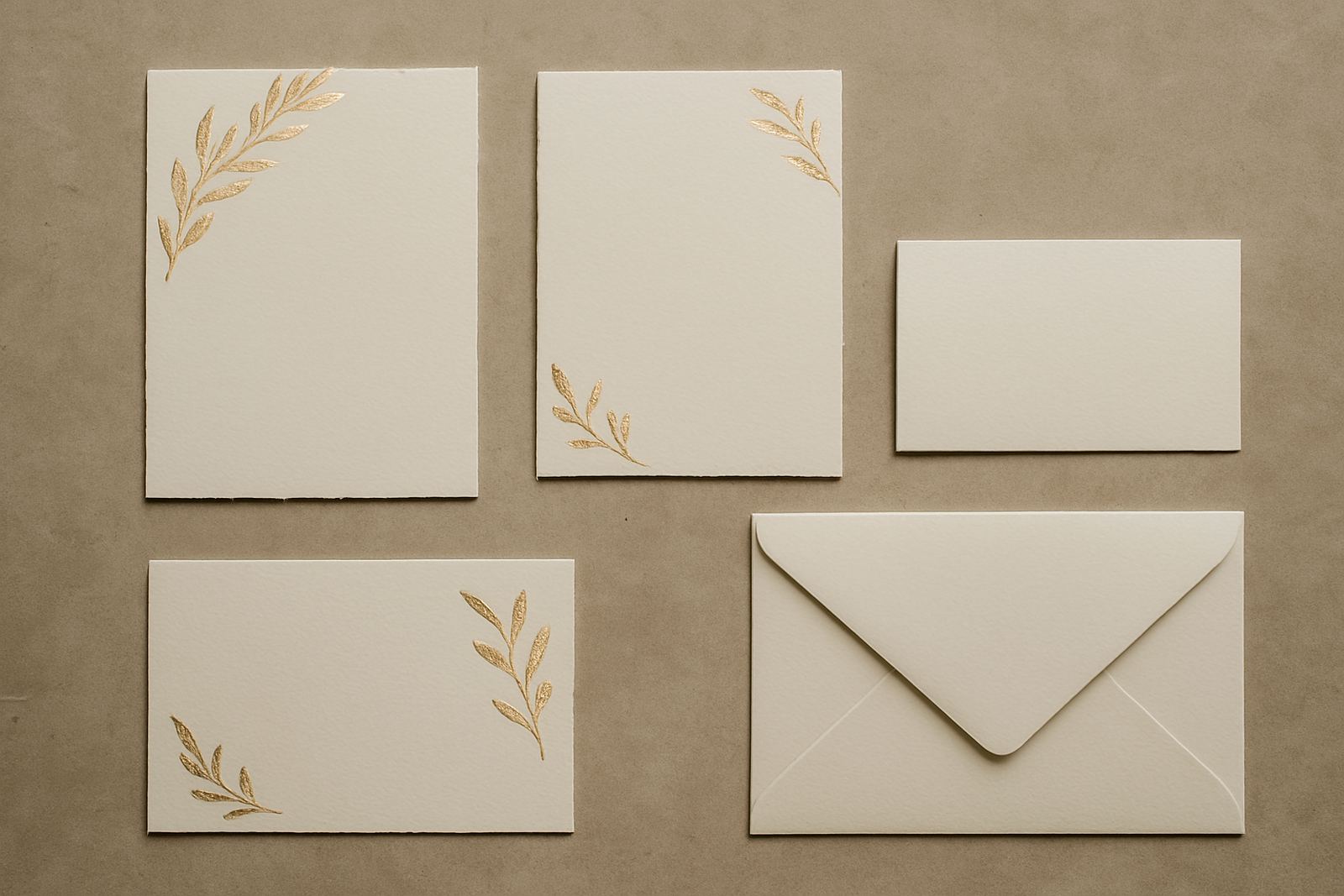
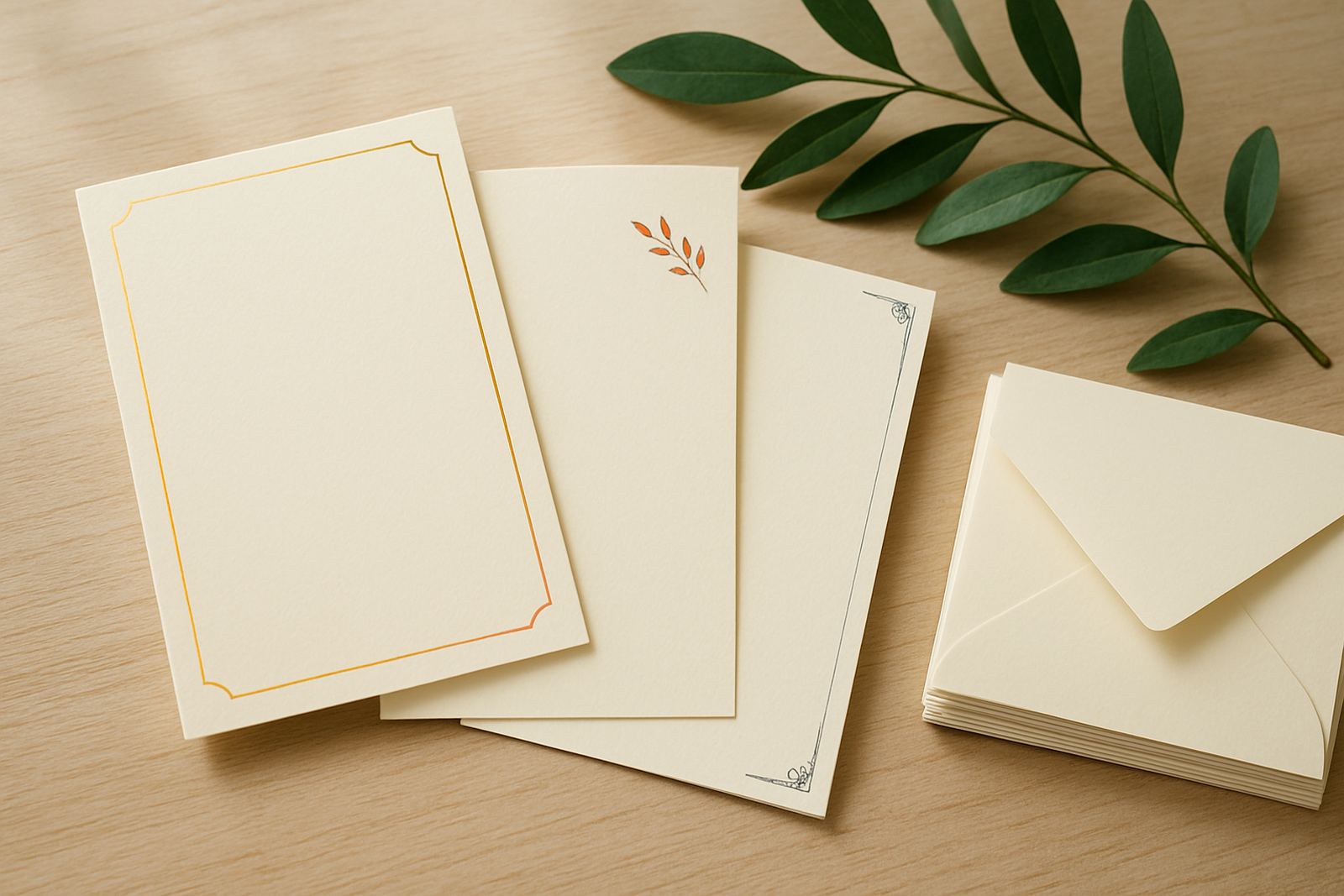
Paper weight matters. A light card can bend in humid weather, while a heavier stock sits better on the table and feels more substantial in the hand. If your event is near the coast or under open tenting, ask for stock that holds its shape. Foil accents can be used sparingly on headings or section lines, but the text still needs to stay clear at a glance.
- Single-course menu: flat card, A5 or DL size
- Three-course menu: folded card with clear spacing
- Buffet or stations: larger upright card for visibility
- Keep the font size readable from seated distance
Place Cards That Keep Tables Organised
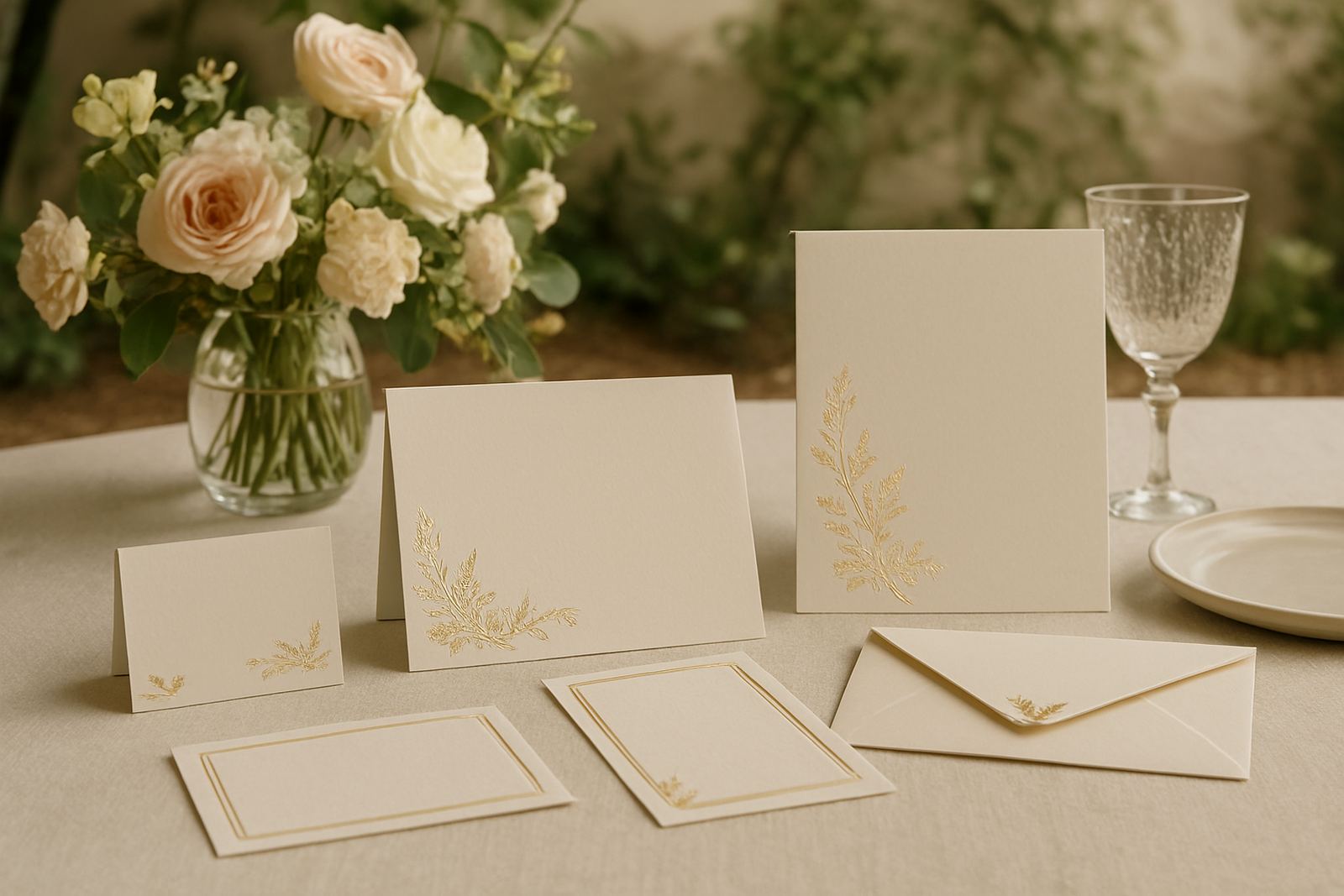
Place cards do more than show where a guest sits. They help the service team work faster and reduce confusion at the table. For round tables, use matching card sizes so the setting stays neat. For long banquets, a slimmer format often looks cleaner and leaves more space for glassware and cutlery.
When gathering names, send a single final list in the spelling and order you want used. Double-check titles, double surnames and special character use. If you are assigning families together, note that in the seating plan before artwork begins. The finishing stage is not the place for guesswork, especially when there are 120 names and a table count that has already changed twice.
- Use the same format for every table to keep the look consistent
- Decide early if names will be printed, handwritten or foiled
- Group table names and guest lists in one final document
- Set aside extras for VIPs, suppliers and last-minute additions
Seating Charts That Guests Can Read Quickly
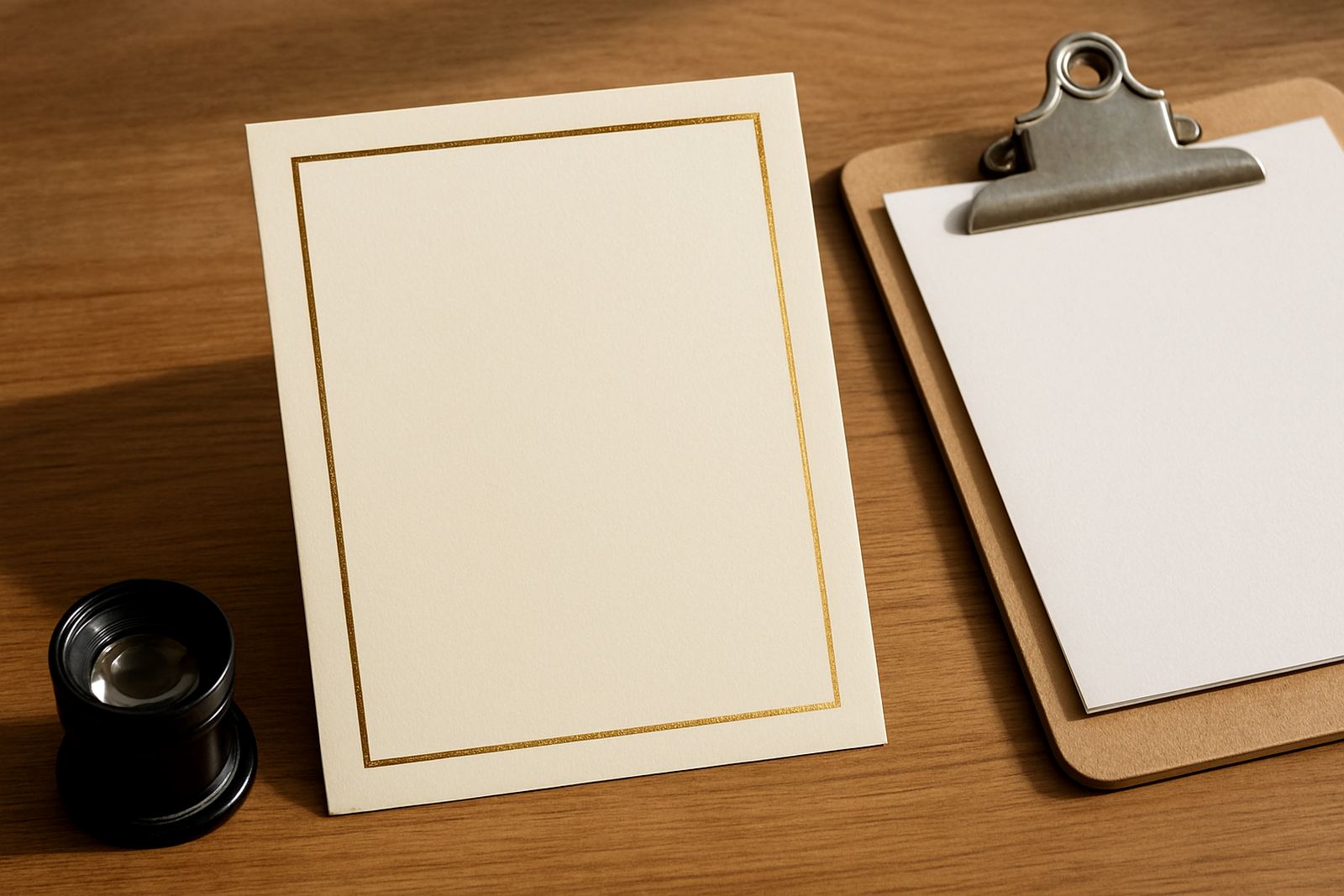
A seating chart should be simple to scan. Guests are often standing with drinks in hand, so the layout needs enough contrast and enough space between names. Alphabetical order can work for small functions, while table-by-table groupings suit larger weddings and gala dinners. If the event has many guests, consider a layout with clear headings and a strong border so the eye knows where to start.
Size is important. A chart that is too small becomes difficult to read once it is framed, and one that is too large can be awkward to position at the venue. For outdoor use in Somerset West or Stellenbosch, ask about mounting options that hold up in wind. If the chart will be displayed on a stand, make sure the base is stable on paving or grass. A good placement is near the reception entry but not blocking the flow.
- Keep names aligned in one clear system
- Choose a format that suits the guest count
- Allow space for borders, mounts and framing
- Position the chart where people can pause without crowding
Welcome Signs That Set the Tone on Arrival
Welcome signs are often the first branded or personalised detail guests see, so they need to be neat, legible and suited to the venue. For a formal wedding, a simple greeting with names and date is often enough. For a corporate event, the sign may include the event title, venue or programme note. Keep the wording concise so it can be read in one glance.
If the event is outdoors, consider the light at the entrance. Bright sunlight can make pale ink hard to read, while evening events may need stronger contrast. We also recommend checking whether the sign needs to be weather-safe if it is placed near an open courtyard, pool area or coastal breeze. A well placed welcome sign does a lot of work without taking over the space.
Common options include framed cards, mounted boards and layered signage with foil detail. The finish should match the rest of the stationery suite, but the practical part comes first: guests must be able to find it instantly.
Final Checks Before Delivery and Set-Up
The last step is to make sure every item arrives in the right order and with the right quantities. We always suggest approving proofs before print, then checking the full pack against the seating plan and menu list. For national deliveries, allow extra time if the event is in another province or at a venue with limited access hours. In Woodstock and across Cape Town, courier delivery is usually straightforward, but estate rules and venue office times can still affect drop-off.
Use this checklist before the event day:
- Guest names, table numbers and spellings are final
- Menu wording matches the caterer’s approved version
- Sign sizes suit the stand, frame or easel already booked
- All items are packed in sequence for easy set-up
- There is a spare copy of key pieces in case of damage or a last-minute change
When these details are handled early, event day stationery becomes one less thing to worry about. The result is a table setting that feels organised, polished and easy for guests to move through, from arrival to the final toast.